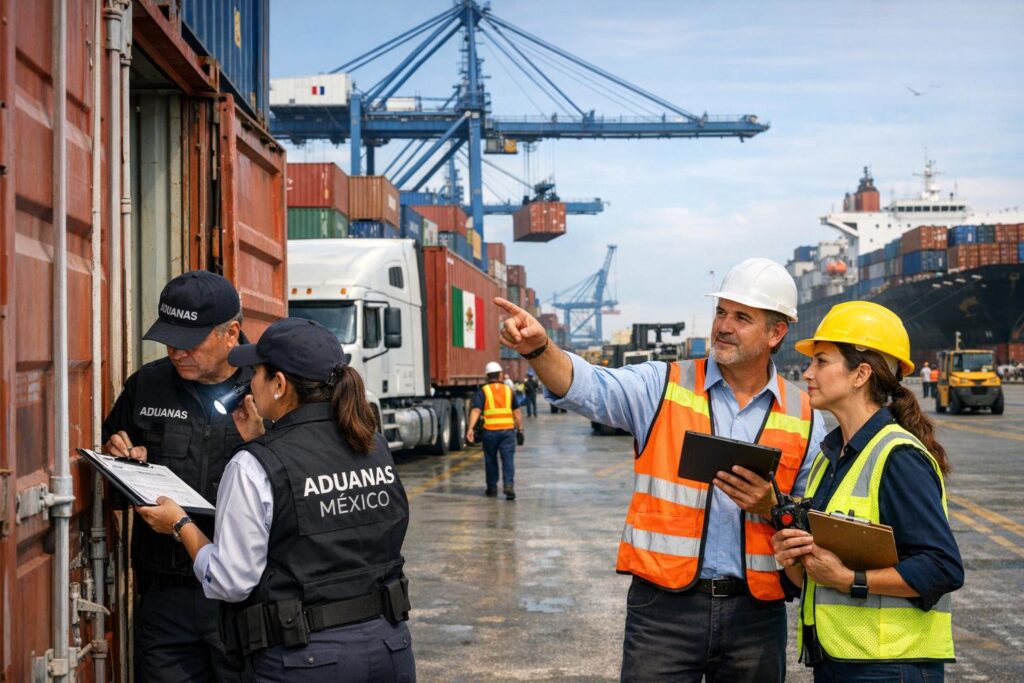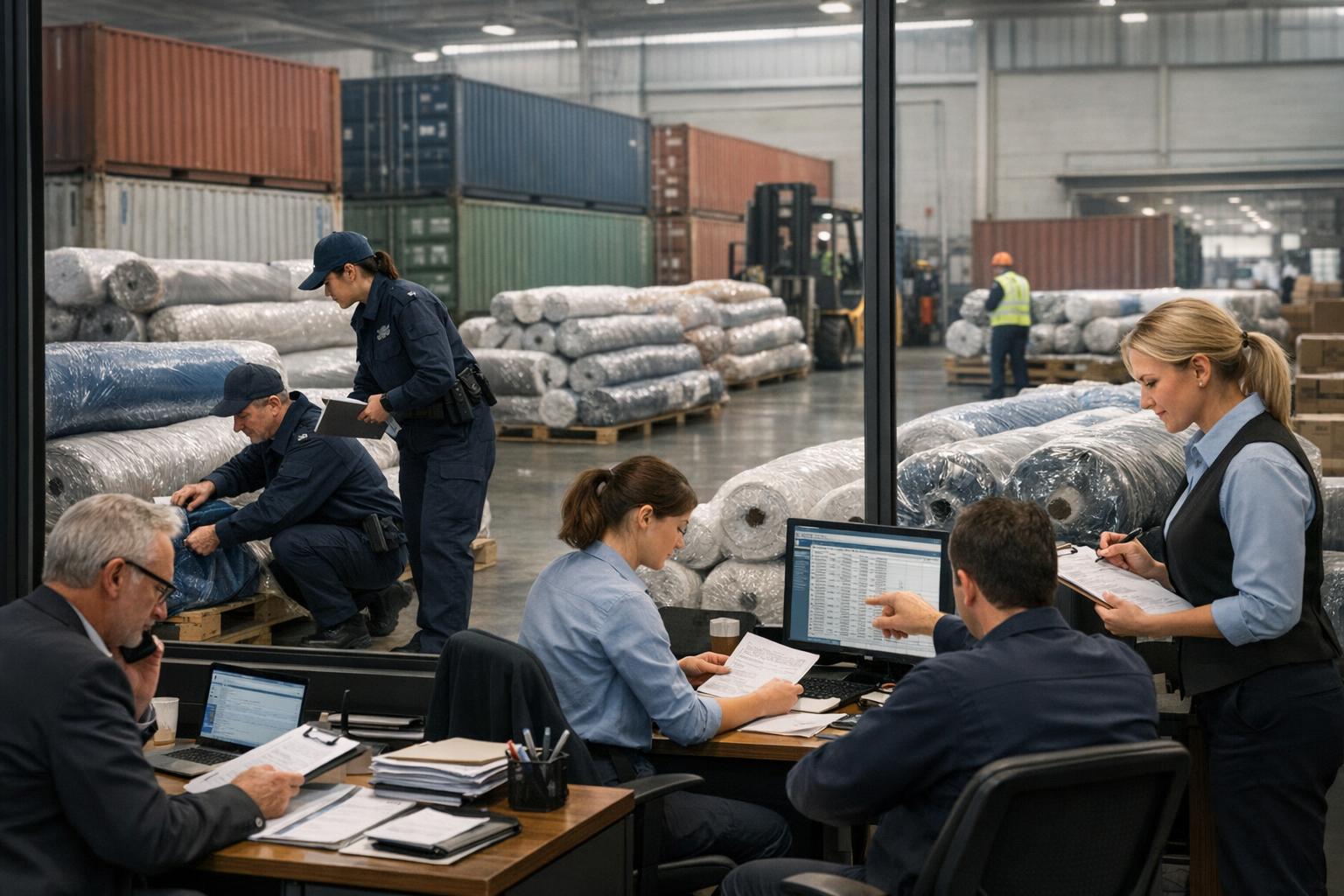
We understand the complexities involved in importing textiles into Mexico. In this article, we explore the key regulations and best practices to ensure a smooth import process for textile products across the country.
Textile import regulations can be challenging, but by following the right guidelines, we can avoid delays and extra costs effectively.
Our goal is to help businesses navigate the textile import landscape with confidence and compliance.
- Overview of Mexico’s textile import regulations and required documentation
- Customs duties and tariff classifications relevant to textile products
- Importance of compliance with NOM standards for textile imports
- Utilizing bonded warehouses and special programs to optimize imports
- Best practices to ensure a smooth customs clearance process
- Key agencies and certifications involved in textile importation
- Common challenges and how to avoid costly mistakes
Understanding Textile Import Regulations in Mexico
We start by recognizing that textile imports into Mexico are subject to specific regulations established by customs and trade authorities. These regulations dictate the proper classification, taxation, and inspection of imported textiles.
Tariff Classification and Customs Duties
Textile products fall under the harmonized tariff schedule, with specific codes and duty rates. Knowing the correct tariff classification is essential to accurately calculate import duties. For instance, cotton garments and synthetic fibers may have different tariff rates.
According to customs experts, “Accurate tariff classification is critical to avoid unnecessary fines and expedite clearance.” We emphasize that verifying HS codes with the Mexican customs authority can save time and money.
Required Documentation for Textile Imports
Proper documentation is crucial. We must submit:
- Commercial invoice detailing product description and values
- Bill of lading or air waybill
- Packing list specifying quantities and packaging
- Certificate of origin, especially for preferential trade agreements
- Import permit if required
Ensuring Compliance with NOM Standards
The Norma Oficial Mexicana (NOM) sets safety and quality standards for imported textiles. To comply, we must ensure that products meet labeling requirements, fiber content disclosures, and safety regulations.
Labeling and Quality Requirements
Labels must be in Spanish and detail fiber content, care instructions, and manufacturer information. Non-compliance can result in shipment delays or rejection.
We recommend consulting NOM guidelines early and working with certified laboratories for testing textile samples.
Leveraging Bonded Warehouses for Import Flexibility
Using bonded warehouses can provide strategic advantages. We can defer payment of customs duties and store goods under customs control before domestic sale or export.
Benefits of Bonded Warehouses
Bonded warehouses enhance cash flow management and simplify inventory control. Additionally, bonded zones comply with Mexican customs security protocols, supporting smoother inspection procedures.
To learn more about leveraging bonded warehouses, we suggest reviewing the comprehensive guide available at Using Bonded Warehouses in Mexico for Importer Flexibility.
Special Programs Supporting Textile Importers
Programs like IMMEX allow manufacturers to temporarily import textiles and export finished products without paying VAT or import duties upfront.
IMMEX Program Benefits
This program promotes manufacturing competitiveness by reducing import costs and streamlining customs processes.
For companies engaged in assembly or manufacturing using imported textiles, IMMEX is a valuable tool. We advise reviewing the full benefits in the article IMMEX Program Explained: Benefits for Foreign Manufacturers.
Best Practices for Smooth Clearance of Textile Imports
To avoid common pitfalls, we follow best practices:
- Work with a qualified customs broker familiar with textile imports
- Ensure all documents are accurate and properly formatted
- Classify products with precision to avoid disputes
- Prepare for possible inspections by Mexican Customs
- Maintain updated knowledge of regulations and NOM changes
By adhering to these steps, we minimize the risk of delays or additional costs.
Common Challenges in Textile Importation and How to Overcome Them
Challenges such as misclassification of goods, incomplete documentation, and lack of NOM compliance are frequent.
Misclassification Risks
Incorrect tariff codes lead to costly fines and shipment holds. Continuous training and consultation with experts reduce this risk.
Addressing Documentation Issues
Errors in invoices or missing certifications can stop shipments. Implementing strict document audits before shipment helps us prevent issues.
Meeting NOM Compliance
Staying informed about NOM changes and collaborating with certified testing labs ensure we meet all standards.
Key Agencies and Certifications for Textile Imports
The authorities we interact with include:
- Servicio de Administración Tributaria (SAT) – Customs and tax collection
- Secretaría de Economía – Import permits and trade regulations
- Agencia Nacional de Seguridad Industrial y de Protección al Medio Ambiente del Sector Hidrocarburos – for certain textile additives and chemical regulations
- Certified testing laboratories for NOM compliance
Moreover, obtaining OEA Certification can enhance security and ease customs procedures. More information on this is available at OEA Certification: Enhancing Security in Mexican Imports.
Customs Duties and Taxes for Textile Imports
We calculate customs duties based on tariff classifications, with additional taxes like VAT (IVA) applied. Understanding duty rates and exemptions is fundamental to budgeting.
Applying VAT and Duty Exemptions
Textiles may qualify for exemptions or reductions under trade agreements such as USMCA. Knowledge of these can reduce import costs significantly.
Consulting an IVA certification expert can clarify tax implications on imports (IVA Certification: How It Affects Your Imports).
Summary Table: Typical Textile Import Considerations
| Aspect | Details |
| Tariff Classification | HS codes specific to fabric and garments |
| Customs Duties | Varies by textile type; verify tariff rates |
| Regulations | Compliance with NOM standards mandatory |
| Documentation | Invoice, packing list, certificate of origin, permits |
| Programs | IMMEX for manufacturing, bonded warehouses for storage |
| Certifications | OEA, IVA, NOM compliance certifications |
Conclusion
Bringing textiles into Mexico requires thorough knowledge of regulatory frameworks and adherence to best practices. By focusing on accurate documentation, NOM compliance, and strategic use of import programs, we can optimize our operations and reduce risks.
We encourage businesses to stay updated and partnered with experts familiar with Mexican customs, minimizing costly errors. Resources like How to Import Goods into Mexico: A Step-by-Step Guide complement this knowledge, providing actionable insights for successful imports.
Overall, with careful planning and compliance, importing textiles into Mexico can be a streamlined process.
FAQ
What documentation is mandatory for importing textiles into Mexico?
We need a commercial invoice, packing list, bill of lading or air waybill, certificate of origin, and import permits if applicable.
How do NOM standards affect textile imports?
NOM standards regulate labeling, fiber content, and safety to ensure quality and consumer protection, requiring compliance to avoid customs delays.
Can we use special tax programs for textile imports?
Yes, programs like IMMEX allow temporary importation with tax benefits, especially for manufacturing uses.
Who issues customs duties and tariffs for textiles?
Mexico’s SAT provides tariff classifications and duties, which vary according to the textile product type.
What are common mistakes to avoid when importing textiles?
Misclassification, incomplete documentation, and ignoring NOM standards are frequent errors that lead to penalties and shipment issues.
If you are planning to import textiles into Mexico, we invite you to partner with experienced customs brokers and consult trusted resources. Visit Brokermx to get expert guidance tailored to your needs. Together, we can streamline your textile import process for success.