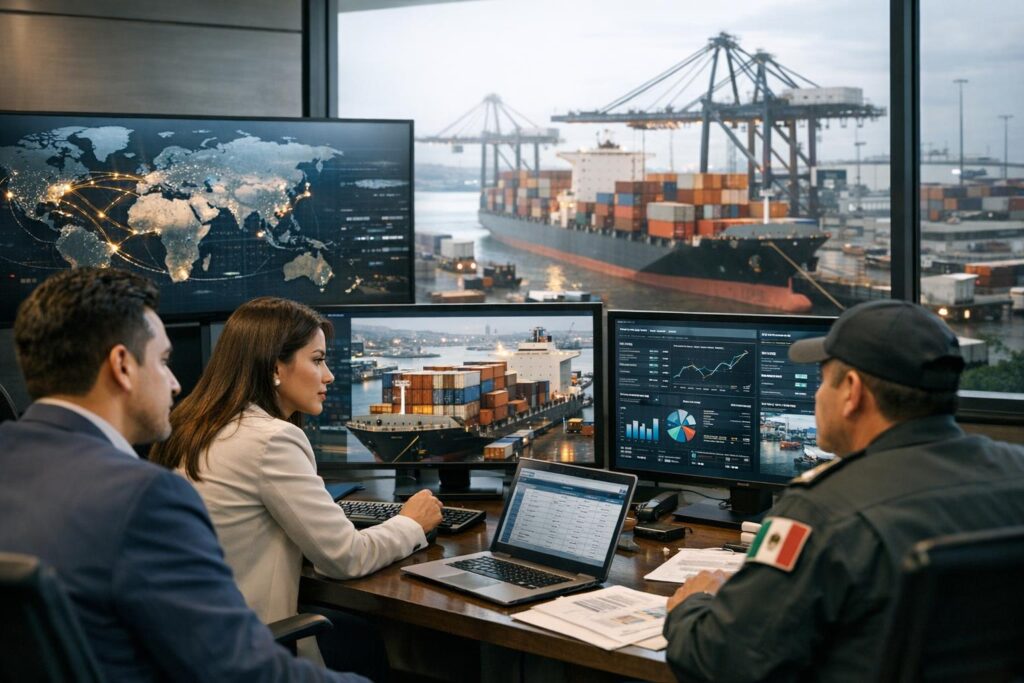
We understand that importing goods into Mexico can be a complex endeavor. In this step-by-step guide, we walk you through each stage of the process. With our collective experience, we simplify compliance and logistics for national importers.
- Learn the essential documentation required for imports into Mexico.
- Calculate duties, taxes, and valuation methods accurately.
- Understand the customs clearance workflow.
- Navigate import licenses and permits.
- Choose the right customs broker or freight forwarder.
Import Documentation Requirements for Mexico
Key Documents You Need
- Commercial invoice with detailed descriptions.
- Packing list specifying quantity and weight.
- Certificate of origin under USMCA, if applicable.
- Bill of lading or air waybill.
- Customs import declaration (pedimento).
- Any required permits or certificates from SAGARPA or COFEPRIS.
How to Calculate Import Duties and Taxes in Mexico
Understanding Duty Rates
We calculate ad valorem duties based on the tariff classification of the goods. The general duty rate ranges from 0% to 20%, depending on the Harmonized System code.
Value Added Tax (IVA) and Other Fees
- IVA standard rate is 16% of CIF value plus duty.
- Customs processing fees (TUA) vary by port.
- Special taxes may apply to alcohol, tobacco, or hydrocarbons.
Step-by-Step Customs Clearance Process in Mexico
Arrival and Notification
When goods arrive at a Mexican port, we notify the customs authority and prepare the filing of the pedimento.
Document Submission and Review
We submit all required documents electronically through the VUCEM system and await validation.
Inspection and Physical Examination
If selected for inspection, we coordinate with customs officials to facilitate a smooth review of your cargo.
Payment and Release
After approval, we arrange payment for duties, taxes, and fees. Once paid, customs releases the goods.
“In complex systems, a structured approach to clearance ensures predictable outcomes.” – Kevin Indig, Growth Advisor & Author
Import Licensing Requirements in Mexico
When Licenses Are Required
Certain categories of goods require licenses or permits issued by government agencies. We assess your product to determine if you need authorization from SAGARPA, COFEPRIS, or other bodies.
How to Navigate the Application Process
For detailed steps, see our guide: How to Navigate Mexico’s Import Licensing Requirements.
Mexico Import Valuation Methods
Ad Valorem vs. Transaction Value
Customs uses the transaction value method whenever possible. If not available, they apply an ad valorem formula based on comparable goods.
Special Valuation Rules
Learn more in Understanding Mexico’s Customs Valuation Rules (Ad Valorem & Transaction Value).
How to Choose a Customs Broker in Mexico
Key Factors to Consider
- Official authorization and license by SAT.
- Experience with your product category.
- Network of local customs contacts.
- Transparent fee structure.
Freight Forwarder vs. Customs Broker
We often coordinate both services to optimize cost and compliance. Review roles here: Roles and Responsibilities of a Freight Forwarder vs Customs Broker.
| Feature | Customs Broker | Freight Forwarder |
| Main Role | Customs documentation and clearance | Transportation and logistics planning |
| Licensing | Licensed by Mexican authorities | No customs license required |
| Fees | Fixed per shipment | Variable based on mode |
| Best for | Regulatory compliance | Freight consolidation |
By combining both services, we achieve efficient delivery and full compliance.
Frequently Asked Questions
- What is the first step to import goods into Mexico?
A: We begin by determining the correct tariff classification and required permits. - How long does customs clearance take in Mexico?
A: Clearance can take 24–72 hours depending on inspections and documentation completeness. - Can I import goods without a customs broker?
A: Technically yes, but using a licensed broker reduces errors and delays. - What taxes apply to imported goods?
A: Duties, IVA at 16%, and processing fees apply based on the CIF value. - How do I pay import duties and taxes?
A: Payments are made electronically through Mexican customs platforms before cargo release.
Ready to import? Reach out to our team at BrokerMX to get started with expert guidance.