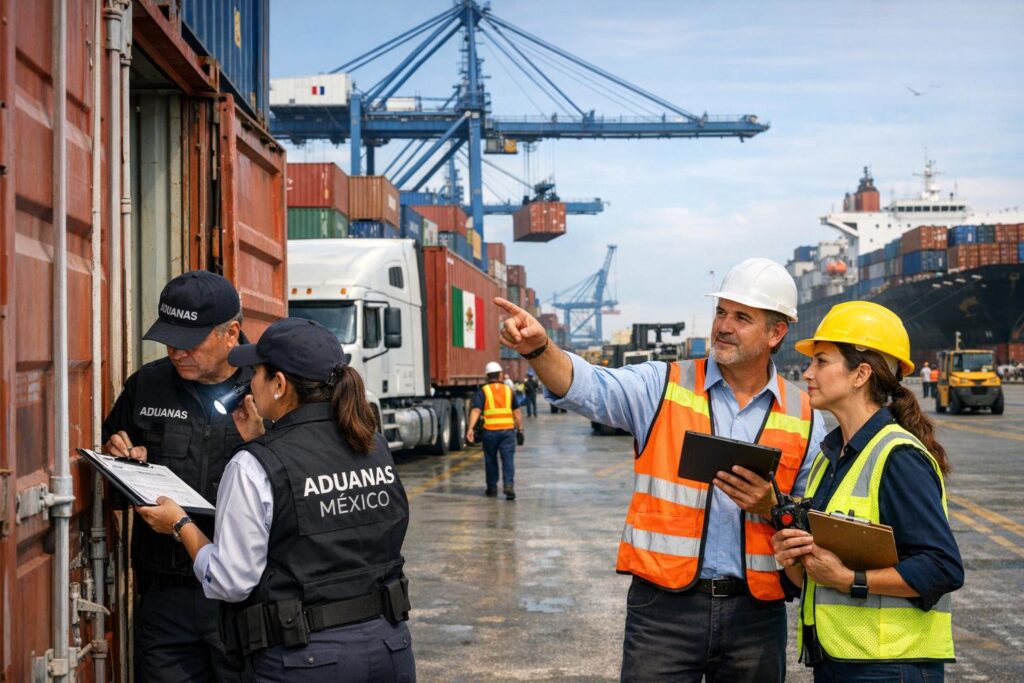
We understand the importance of secure and efficient import processes in Mexico. The OEA Certification is a crucial tool that enhances security and streamlines customs procedures for businesses nationwide. By adopting this certification, we can strengthen our trade competitiveness while ensuring compliance with international standards.
- OEA Certification improves supply chain security across Mexican imports.
- It facilitates faster customs clearance and fewer inspections.
- The certification aligns Mexico with global trade security frameworks like SAFE.
- OEA status enhances credibility with trading partners and authorities.
- Obtaining the certification requires meeting stringent security and compliance criteria.
- Certified importers can benefit from reduced risks and operational costs.
- The program supports Mexico’s commitment to secure and efficient trade integration.
What is OEA Certification and Why is it Important?
Definition and Global Context
The Authorized Economic Operator (OEA) Certification is a program endorsed by the World Customs Organization aimed at securing international trade. In the Mexican import context, it certifies companies that comply with security and safety standards throughout the supply chain. We recognize that implementing these measures directly contributes to minimizing vulnerabilities.
Benefits for Mexican Importers
Obtaining OEA Certification lets us benefit from expedited customs procedures, fewer physical and document inspections, and greater predictability in shipment handling. According to a customs expert, “The OEA program not only elevates security but also fosters trust among trading partners, resulting in smoother, cost-effective operations.” This trust is invaluable for maintaining competitive advantages within Mexico’s diverse trading markets.
Steps to Obtain OEA Certification in Mexico
Assessment and Application
To begin, we conduct a thorough internal assessment of our security protocols. This includes evaluating physical security, access control, personnel reliability, and compliance with tax and customs obligations. Once confident in our preparedness, we submit the formal application to Mexico’s Tax Administration Service (SAT) to initiate evaluation.
Verification and Continuous Improvement
Customs authorities verify the application through audits and inspections. Passing this stage officially grants the certification. However, the process doesn’t end here; constant monitoring and continuous improvement in security practices are essential to maintain OEA status. This proactive approach is part of Mexico’s commitment to strengthening customs integrity.
Impact of OEA Certification on Supply Chain Security
Enhanced Risk Management
Implementing OEA standards allows us to identify and mitigate risks more effectively, reducing vulnerabilities in the import supply chain. This not only protects our shipments but also safeguards warehousing and transportation phases, aligning with best practice protocols in global trade.
Collaboration with Authorities and Partners
OEA certification fosters better coordination and transparency between importers, customs authorities, and other stakeholders. Increased communication channels make it possible to detect threats early and respond promptly. This collaborative security culture contributes to overall trade efficiency within Mexico.
How OEA Certification Facilitates Customs Clearance
Priority Treatment and Reduced Inspections
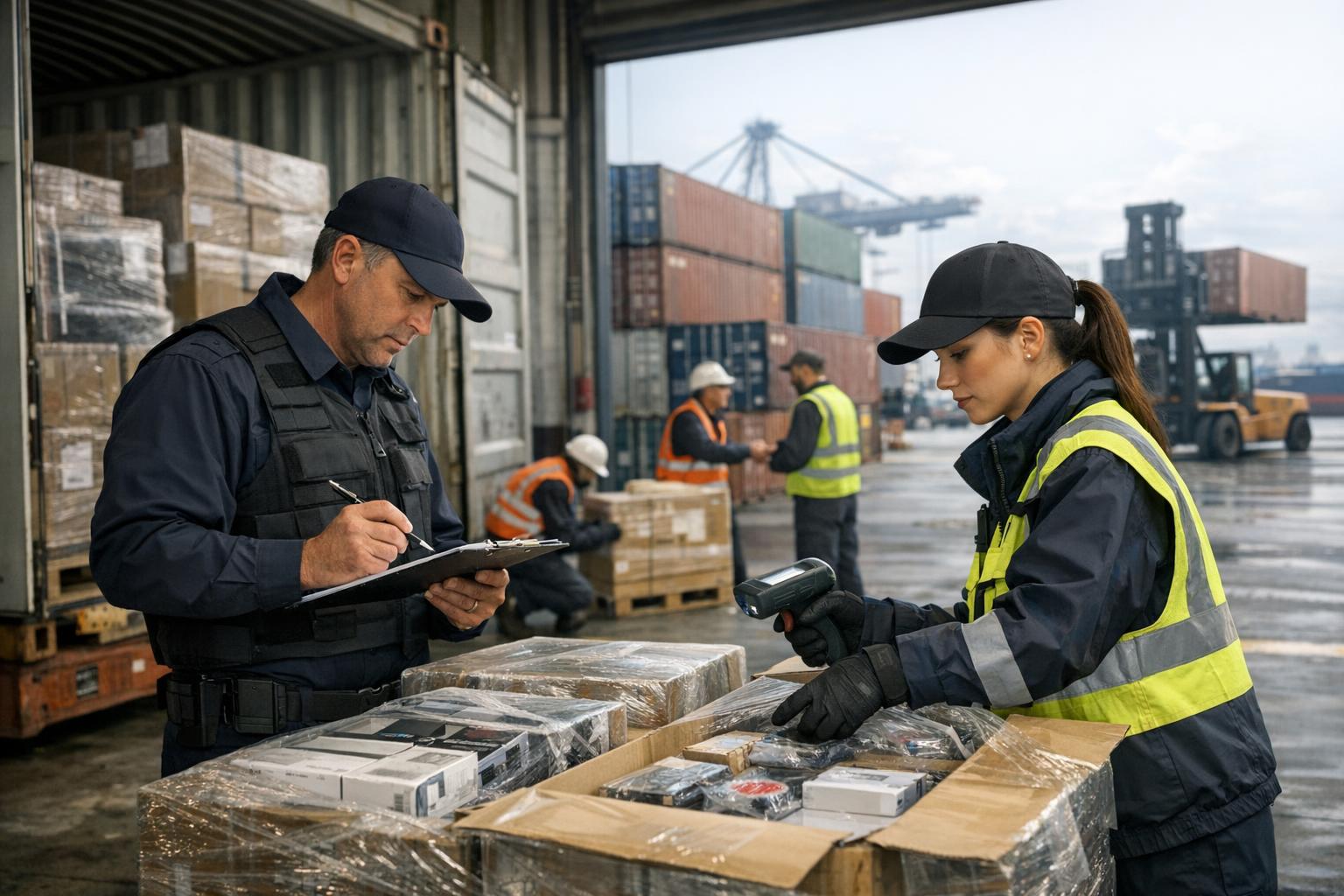
One of the most tangible benefits is priority treatment during customs clearance. Certified importers experience fewer physical and documentary inspections, significantly reducing clearance times. This efficiency cuts down logistical delays and lowers costs for businesses nationwide.
Integration with Mexican Customs Processes
The OEA program aligns with existing Mexican customs regulations, including the proper use of the Mexican Pedimento. By leveraging resources and internal controls, certified companies enhance compliance and streamline import operations. For a deeper understanding of the Mexican Pedimento and its role, we recommend consulting the guide Understanding the Mexican Pedimento: Key to Smooth Imports.
Challenges and Considerations in Adopting OEA Certification
Resource Commitment
Obtaining and maintaining OEA status requires investing time and resources into staff training, security systems, and ongoing compliance audits. We must be prepared to meet these demands to reap long-term benefits.
Keeping Up with Regulatory Changes
Trade regulations and security requirements evolve constantly. Staying informed and adaptable ensures our compliance remains intact. Engaging with customs brokers and specialists helps navigate these complex changes effectively.
Complementary Programs Supporting Import Security in Mexico
IMMEX and Bonded Warehouses
Programs like IMMEX complement the OEA by offering tax and operational benefits to foreign manufacturers, while bonded warehouses provide flexible storage options. Together, they enhance the overall import ecosystem.
Role of Customs Brokers
Partnering with knowledgeable customs brokers is essential. They guide us through compliance requirements and optimize logistics, especially when integrating OEA standards. For insight, see What Is a Customs Broker in Mexico and Why You Need One.
Future Outlook: Strengthening Mexico’s Trade Security
OEA as a Pillar for Competitiveness
As global trade becomes more interconnected, we believe that OEA Certification will be a key pillar in Mexico’s strategy to enhance trade security and competitiveness. Businesses adopting these measures position themselves favorably for growth and resilience.
Government Initiatives and Support
The Mexican government continues to promote OEA through regulatory updates and awareness campaigns, encouraging wider adoption. This support facilitates smoother import operations and aligns national customs practices with international benchmarks.
In conclusion, we see the OEA Certification as a foundational element to secure, efficient imports throughout Mexico. Adopting this standard benefits not only individual businesses but the entire trade ecosystem by fostering trust, safety, and operational excellence. For ongoing insights and guidance on import processes, we recommend exploring resources like How to Import Goods into Mexico: A Step-by-Step Guide and actively consulting experts to remain ahead in compliance and efficiency.
Frequently Asked Questions
- What is the main purpose of the OEA Certification? Its primary goal is to enhance supply chain security and streamline customs procedures to facilitate secure international trade.
- How long does it take to obtain the OEA Certification? The duration varies, but generally, it takes several months including preparation, application, and verification stages.
- Is OEA Certification mandatory for Mexican importers? No, it is voluntary but highly beneficial for companies looking to improve security and efficiency.
- Can small and medium-sized enterprises apply for OEA Certification? Yes, companies of all sizes can apply, though they need to demonstrate compliance with security and customs regulations.
- What happens if a company loses its OEA Certification? The company can lose associated benefits such as prioritized customs clearance and must address compliance gaps to regain certification.
We encourage businesses involved in Mexican imports to consider OEA Certification as part of their growth and security strategy. Feel free to visit our website BrokerMX for expert advice and further information on optimizing imports and customs compliance.