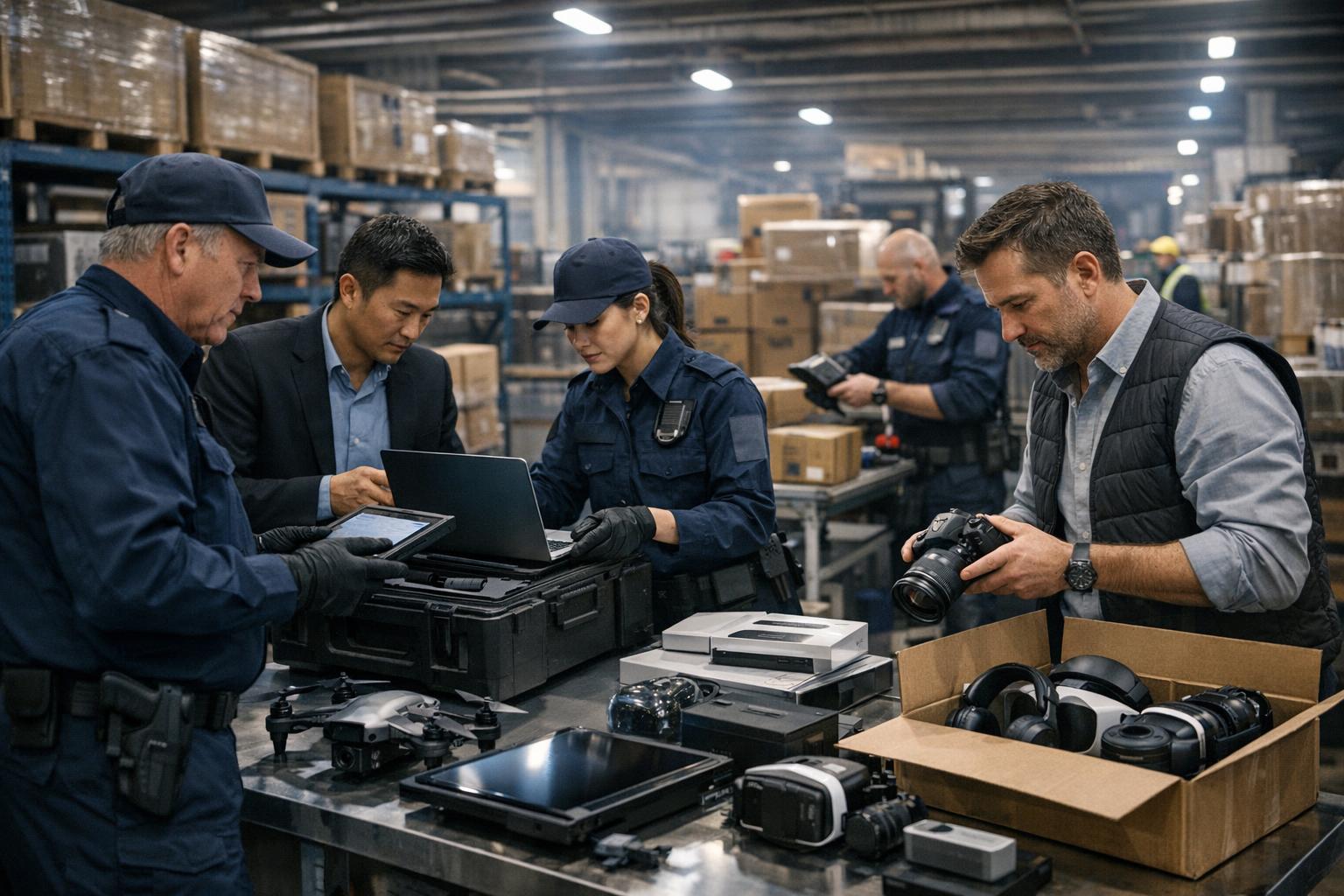
Importing electronics into Mexico is a critical process for businesses aiming to expand their market reach. We understand the complexities involved and are here to guide you through each phase confidently and efficiently.
Here is a brief overview of what you need to know:
- Understanding Mexican import regulations specific to electronics.
- Key certifications and compliance standards required for imported electronics.
- Customs procedures and tax implications when bringing electronics into Mexico.
- Common challenges and how to navigate them.
- Best practices for smooth logistics and customs clearance.
Understanding Mexican Import Regulations for Electronics
Legal Framework and Governing Bodies
Mexico’s import regulations for electronics are governed primarily by the Secretaría de Economía and the Servicio de Administración Tributaria (SAT). We are aware that staying up to date with these regulations is essential. Electronics often fall under specific tariff lines with restrictions regarding safety and environmental standards.
Regulatory Standards
We make sure to comply with NOM (Normas Oficiales Mexicanas) standards, which include certifications for safety and electromagnetic compatibility. For instance, compliance with NOM-019-SCFI ensures that electronic products meet safety requirements and can be legally sold in Mexico.
Certifications Required for Importing Electronics
Mandatory Certifications
Before importing electronics, securing the right certifications is a must. This includes NOM certification and sometimes compliance with COFETEL if the devices use radio frequency transmission.
As experts have noted, obtaining the correct certification not only mitigates delays but also enhances your product credibility upon arrival.
OEA and IVA Certifications
We also recommend exploring OEA Certification, which can speed up customs procedures by being recognized as a trusted importer. Likewise, understanding IVA Certification is important to correctly apply value-added tax handling on imported electronics.
Taxation and Duties When Importing Electronics into Mexico
Import Duties
We carefully analyze the Harmonized Tariff Schedule to determine applicable tariffs for electronics, which can vary depending on the product category and country of origin. Duties can range widely and impact your landed cost significantly.
Value-Added Tax (IVA)
The standard IVA rate in Mexico is 16%, applicable to most imported goods including electronics. However, some exemptions or reductions might apply based on the specific product and the importer’s certification status.
Customs Procedures and Documentation
Import Documentation
Key documents we prepare include the commercial invoice, bill of lading, certificate of origin, and the required certifications mentioned earlier. Clear and accurate documentation is critical to avoid hold-ups.
Customs Clearance Process
Our approach prioritizes working with experienced customs brokers who specialize in electronics. Their expertise can minimize the risk of delays, inspection requests, or misclassification.
Logistics and Warehousing Strategies
Using Bonded Warehouses for Flexibility
Implementing bonded warehouses, as detailed in this guide, offers us the flexibility to store electronics without immediate payment of duties. This strategy optimizes cash flow and inventory management.
IMMEX Program Benefits
For manufacturers importing components to assemble electronics in Mexico, leveraging the IMMEX program provides significant tax advantages. Understanding these benefits, as explained here, can greatly affect operational costs.
Common Challenges When Importing Electronics
Delays in Customs Clearance
We anticipate potential delays caused by incomplete certifications or misinformation about product classification. Staying proactive and informed helps mitigate these risks.
Compliance with NOM and EMC Requirements
Another common obstacle is ensuring that electronics meet electromagnetic compatibility (EMC) standards. We recommend thorough testing before shipment to avoid costly returns or adjustments.
| Challenge | Mitigation |
| Incomplete documentation | Double-check all paperwork and certifications beforehand |
| Unclear product classification | Consult customs brokers with electronics expertise |
| Non-compliance with NOM | Conduct pre-shipment testing and certification |
| Unexpected duties | Analyze tariff schedules and plan costs carefully |
Strategies for Successful Electronic Imports
Partnering with Trusted Customs Brokers
We rely on skilled customs brokers who understand Mexico’s electronic import nuances. If you want to learn about the role of customs brokers, this article on What Is a Customs Broker in Mexico and Why You Need One provides great insights.
Investing in Compliance and Training
Our experience shows that continuous training around changes in regulations and certification procedures keeps the import process streamlined.
In our view, ensuring compliance is not just a bureaucratic step but a strategic advantage that builds trust with Mexican authorities and customers alike.
Conclusion
Importing electronics into Mexico demands attention to detail across regulations, certifications, taxes, and logistics. We believe that by mastering these areas, we can efficiently bring electronic products into the Mexican market while minimizing risks and costs. Having reliable partners and staying informed allows us to navigate the complexities successfully. For further assistance, we recommend exploring resources at BrokerMX, which offers comprehensive support for importers in Mexico.
Frequently Asked Questions (FAQ)
- What certifications are required for importing electronics into Mexico?
You need to ensure compliance with NOM standards, especially NOM-019-SCFI for safety and possibly COFETEL if the product uses RF technology. - How are import duties calculated for electronics in Mexico?
Duties depend on the product classification within Mexico’s tariff schedule and the country of origin, affecting the landed cost. - Can using bonded warehouses help reduce costs when importing electronics?
Yes, bonded warehouses allow storage without immediate payment of duties, offering cash flow benefits and operational flexibility. - What is the IMMEX program and how does it benefit electronics importers?
IMMEX provides tax incentives for companies that import materials for manufacturing or assembly in Mexico, which can reduce costs. - Why is working with a customs broker important for importing electronics?
Customs brokers have specialized knowledge of import regulations and procedures, helping you avoid mistakes and delays.
If you want to simplify the complexities of importing into Mexico, contacting experts through platforms like BrokerMX can be transformative. We encourage you to take advantage of their comprehensive guidance tailored to your needs.