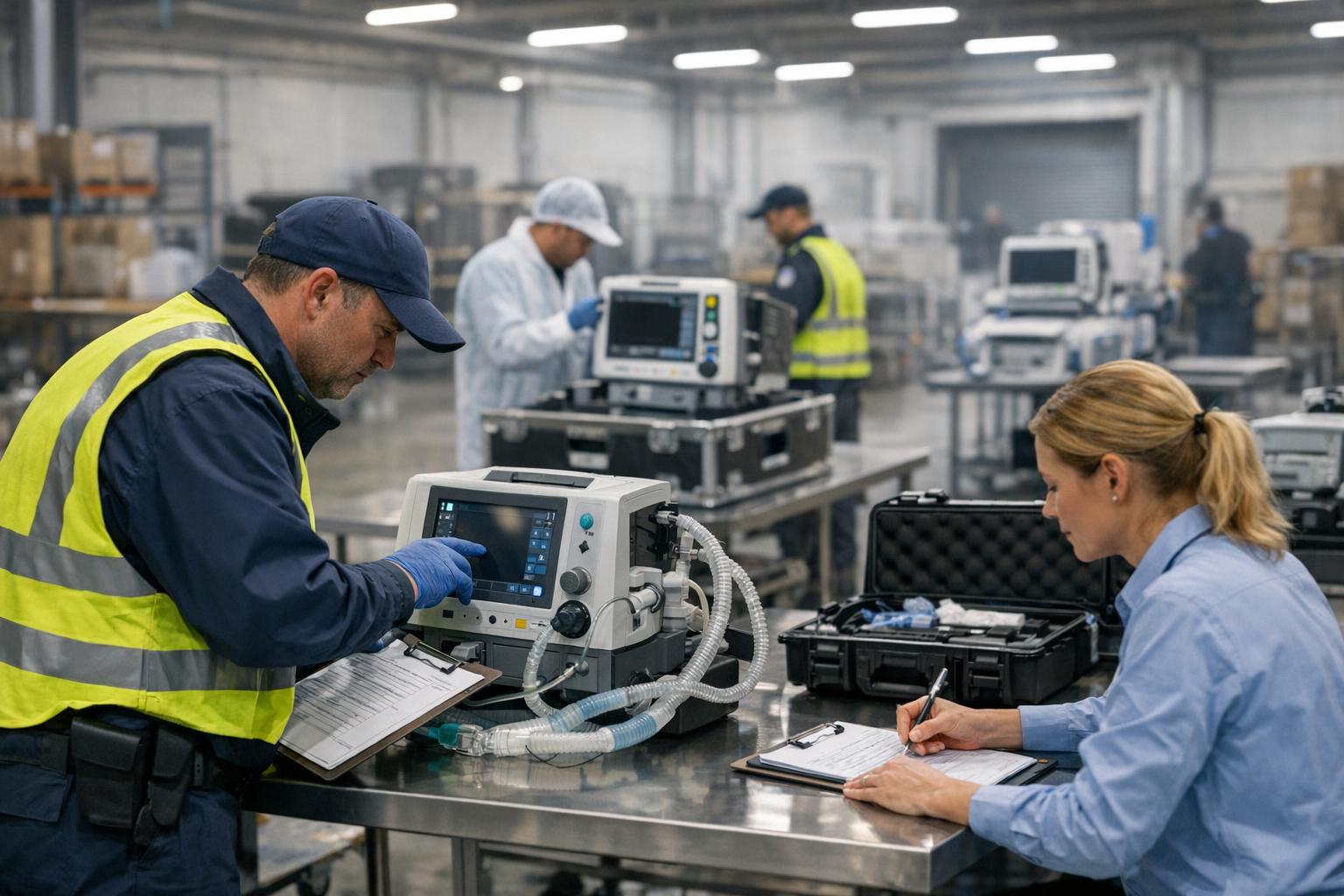
We understand the critical importance of complying with regulations when importing medical equipment. Managing compliance and procedures effectively ensures smooth operations and avoids costly delays in the Mexican market.
Here is a clear overview of what we need to consider when importing medical devices nationwide.
- Medical equipment must meet strict regulatory compliance, including registration and permits.
- Proper documentation is essential, including invoices, registration certificates, and permits from COFEPRIS.
- Devices with radiation require additional CNSNS permits, involving physician authorization.
- FDA compliance is crucial for U.S. imports, including device classification and premarket approvals.
- Labeling and quality management regulations are mandatory to prevent import holds.
- Work closely with customs brokers and maintain accurate records to navigate customs smoothly.
- Training and facility controls prevent contamination and ensure adherence to Good Manufacturing Practices (GMP).
Understanding Medical Device Classification and Regulatory Compliance
Device Classification
When importing medical equipment, the first step we take is identifying the device class. Devices fall into three FDA categories: Class I (low risk), Class II (moderate risk), and Class III (high risk). This classification guides the regulatory requirements, including whether premarket notifications (510(k)) or Premarket Approvals (PMA) are necessary. In Mexico, the Federal Commission for Protection Against Sanitary Risks (COFEPRIS) oversees similar classifications and compliance enforcement.
Registration and Listing Requirements
Both foreign manufacturers and importers must register establishments with COFEPRIS. This includes listing all devices intended for import. Without proper registration and device listing, shipments will face holds or be denied entry. Additionally, devices must comply with quality system regulations aligned with Good Manufacturing Practices to ensure safety and performance.
Essential Documentation for Importing Medical Equipment
Key Documents Checklist
- Commercial Invoice, detailing product description, quantity, unit price, and total value.
- Packing List, itemizing shipment contents.
- COFEPRIS Import Permit, mandatory for medical devices, especially those including radiation sources which require permits from CNSNS.
- Manufacturer’s Registration Certificate and Device Listing Number.
- Premarket Submission Documentation (510(k), PMA), if applicable.
- Labeling Compliance Documentation including Unique Device Identification (UDI).
Handling Radiation-Emitting Devices
Importing devices such as X-ray machines requires special permits from the Comisión Nacional de Seguridad Nuclear y Salvaguardias (CNSNS). Typically, the treating physician must apply for this permit on behalf of the patient, providing official professional identification and other legal documents. This procedure ensures safety and regulatory compliance with nuclear safety standards.
Working with Customs: Tips to Avoid Delays
Customs Procedures for Medical Equipment
Effective collaboration with a licensed customs broker is critical to navigate import regulations successfully. We ensure accurate tariff classification to avoid unnecessary duties or delivery delays. By verifying all the required import documentation beforehand, we minimize risks during customs inspections. We maintain comprehensive records to facilitate audits and prevent penalties.
Common Pitfalls and Solutions
- Failing to secure FDA or COFEPRIS registrations prior to import.
- Incorrect or incomplete labeling violating U.S. or Mexican regulations.
- Misclassification of devices leading to unexpected duties or shipment holds.
- Improper documentation causes customs clearance delays.
- Neglecting country-of-origin labeling and origin certificate requirements.
- Poor estimation of clearance times disrupting supply chains.
Ensuring Quality: GMP and Facility Controls
Quality System Regulations and Process Controls
Adherence to Good Manufacturing Practices (GMP) is non-negotiable in medical device imports. This encompasses process validation, personnel training, and strict facility controls to prevent contamination. We recognize that maintaining these quality standards throughout the supply chain is essential for device safety, regulatory acceptance, and market success.
Training and Continuous Compliance
Our approach prioritizes ongoing staff training on regulatory updates and quality protocols. A compliance expert once told us, “Consistent documentation and vigilant adherence to manufacturing standards create trust with regulatory bodies and smooth market entry.” We implement robust systems to monitor compliance and react promptly to regulatory changes.
Premarket Approval and Clearance for U.S. Market Imports
FDA Premarket Submission Steps
For equipment imported into the United States, most Class II devices require a 510(k) premarket notification demonstrating substantial equivalence. High-risk Class III devices demand Premarket Approval (PMA) supported by clinical data proving safety and effectiveness. Foreign manufacturers must appoint a U.S. agent to facilitate communication with the FDA.
FDA Registration and Inspection at Border
Importers and manufacturers must register with the FDA and list devices before shipment. The FDA conducts inspections at ports of entry, including analyzing product samples and verifying labeling. Any non-compliance may result in detention without physical examination to prevent potentially unsafe devices from entering the market.
Labeling Requirements and Unique Device Identification (UDI)
Labeling Compliance
Labeling is vital for traceability and user safety. Devices must feature clear labels following FDA and Mexican specifications, with UDI markings to identify products throughout their lifecycle. Adequate labeling prevents misunderstandings, improper use, and regulatory sanctions.
Country of Origin Rules
It’s mandatory to comply with country-of-origin labeling rules to avoid customs penalties and meet trade agreement requirements. For example, Mexican customs require accurate labeling to verify tariffs and duties appropriately.
Best Practices for Importing Medical Equipment Nationwide
Maintaining Accurate Records and Compliance Documentation
We emphasize meticulous record-keeping of all import transactions, quality audits, and device traceability. These records are critical during regulatory inspections and help avoid costly penalties or import delays.
Use of Bonded Warehouses and Improving Supply Chain Efficiency
Utilizing bonded warehouses can offer flexibility in import timing. Combined with authorized economic operator (OEA) certifications, this strategy enhances security and streamlines customs processes, a key factor for our nationwide operations.
To deepen knowledge about customs and regulatory compliance within Mexico, we recommend reviewing articles such as Navigating NOM Compliance for Imports into Mexico and OEA Certification: Enhancing Security in Mexican Imports.
Post-Importation: Surveillance and Reporting Obligations
Adverse Event Reporting
Once devices enter the market, continuous monitoring of performance and safety is essential. We comply with Medical Device Reporting regulations by promptly reporting any adverse events or malfunctions to the relevant authorities, helping protect end users and maintain regulatory trust.
Postmarket Surveillance Practices
Implementation of surveillance programs ensures devices remain safe after distribution. This is a proactive measure to detect and address potential device issues early, reducing risk and liability.
Choosing the Right Partners for Medical Device Importation
Importance of Working with Qualified Brokers and Consultants
We collaborate exclusively with experienced customs brokers and regulatory consultants. Their expertise helps navigate complex requirements and reduces the risk of costly import holds or compliance failures. Their guidance in customs documentation, tariff classification, and regulatory approvals is invaluable.
Continuous Regulatory Updates
Medical device regulations are dynamic. Staying informed about changes from agencies such as COFEPRIS and the FDA allows us to adapt quickly and maintain uninterrupted supply chains. Subscribing to official alerts and engaging with industry groups supports our readiness.
Common Challenges and How We Overcome Them
Handling Used or Refurbished Medical Equipment
Importing used or refurbished devices adds complexity. Mexican regulations demand proof the equipment is refurbished by authorized entities and meets operational standards. For certain countries like Chile or Ecuador, specific refurbishment certificates and warranties are mandatory. We ensure all technical documentation and certifications are in order to comply fully.
Managing Delays and Import Holds
Delays often result from incomplete documentation or customs misclassification. We preempt these issues by double-checking paperwork, confirming tariff codes, and preparing contingency plans to respond rapidly if shipments are detained.
Conclusion
From our experience, successfully importing medical equipment nationwide requires diligence, precise documentation, and understanding of complex regulations. By prioritizing compliance and quality control, we reduce risks and guarantee timely delivery of essential medical devices. For further insights on import regulations in Mexico, platforms like BrokerMX provide excellent resources and practical guides that complement our approach perfectly.
Frequently Asked Questions (FAQ)
- What are the main regulatory agencies overseeing medical equipment imports in Mexico?
COFEPRIS regulates medical devices, with additional permits from CNSNS for radiation-emitting equipment. - Is FDA approval necessary for importing medical devices into Mexico?
It is necessary only when devices enter the U.S. market or transit through the U.S. For Mexico, COFEPRIS approval is mandatory. - How do we classify medical devices for import purposes?
Classification depends on risk level—Class I, II, or III—dictating the regulatory process and documentation required. - What documentation is critical to avoid customs delays?
Proper commercial invoices, COFEPRIS permits, registration certificates, and labeling compliance documents are essential. - Can refurbished medical equipment be imported?
Yes, but only if refurbished by authorized entities and accompanied by technical certifications and warranties.
Let’s work together to streamline your medical equipment import process ensuring full compliance and operational success. For expert guidance, contact us or visit BrokerMX’s step-by-step import guide to start simplifying your imports today.