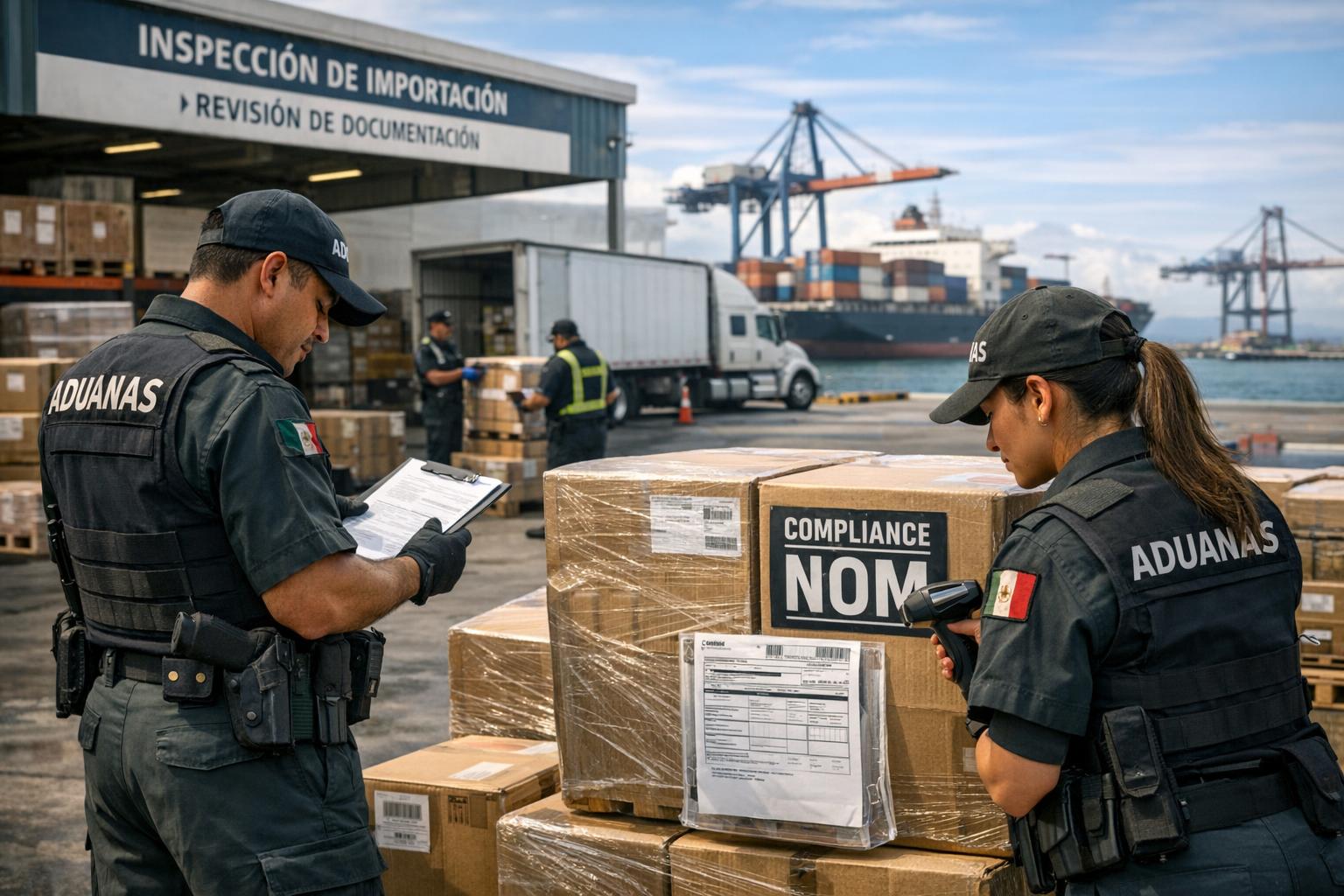
When we import goods into Mexico, understanding NOM compliance is essential to avoid costly delays and penalties. We focus on meeting these technical standards to assure smooth customs procedures and product quality.
Below, we break down the essentials of NOM compliance for imports into Mexico and how businesses like ours can navigate these requirements effectively.
- Understanding NOM (Normas Oficiales Mexicanas) and their relevance to imports
- Key product categories affected by NOM regulations
- Steps to verify and achieve NOM compliance
- Common challenges and how to mitigate them
- The role of customs brokers and importers in the process
- Legal and documentation requirements for certified products
- Latest updates and best practices for staying compliant in 2025 and beyond
What Are NOM Standards and Why Do They Matter?
Definition and Scope
NOMs are official regulatory standards issued by Mexican authorities that specify technical and safety requirements for products and services. As importers, we must ensure our goods meet these standards before entering Mexico to comply with regulations and protect consumers.
Importance for Importers
Compliance with NOMs reduces the risk of customs hold-ups and financial penalties. It also enhances product acceptance in the market. The Mexican government enforces these standards rigorously, making it non-negotiable for foreign exporters and local importers alike.
Which Products Commonly Require NOM Compliance?
NOM certifications cover a wide range of products. We often encounter strict NOM requirements in the following categories:
- Electronics and appliances
- Food and beverages
- Medicines and health supplements
- Cosmetics and personal care products
- Toys and children’s products
- Automotive and industrial machinery
Each product category has specific NOM standards that must be met, including labeling, safety tests, and packaging regulations.
How Do We Verify and Achieve NOM Compliance?
Step 1: Identify Applicable NOMs
First, we need to determine which NOM standards apply to the product. This involves reviewing official NOM listings from Mexican authorities like the Secretaría de Economía or consulting specialized regulatory sources.
Step 2: Product Testing and Certification
Once identified, we coordinate with accredited testing laboratories in Mexico or abroad that can certify the product meets NOM requirements. Certification may include safety, electromagnetic compatibility, labeling accuracy, and more.
Step 3: Obtain the Certificate of Compliance
After successful testing, we secure the formal Certificate of Compliance (Constancia de Cumplimiento), which is essential for customs clearance and product distribution.
Step 4: Maintain Documentation and Monitor Updates
We keep all certification and testing documents readily available for inspections and customs audits. Additionally, NOM standards can be updated, so continuous monitoring is crucial to ensure ongoing compliance.
Common Challenges in NOM Compliance and How to Overcome Them
Challenge: Misidentifying Relevant NOMs
One common issue is failing to correctly identify which NOMs apply, leading to delays or import rejections. To avoid this, we regularly consult expert customs brokers and official NOM databases.
Challenge: Insufficient Documentation
Customs requires thorough documentation proving compliance. Missing or incomplete certificates can cause shipment holds. We proactively prepare and verify all paperwork prior to importation.
Challenge: Product Variations and Updates
Product updates or changes may affect NOM status. We coordinate with manufacturers to notify of any modifications and reassess compliance as needed.
How Customs Brokers Facilitate NOM Compliance
Experienced customs brokers play a vital role by guiding importers through NOM requirements. They help identify applicable standards, recommend accredited labs, manage certification processes, and assist with document preparation.
For a deeper understanding of customs brokerage and its impact on Mexican trade, we recommend exploring The Role of a Customs Broker in Mexican Trade. Their advice is instrumental for efficient NOM compliance.
Latest Trends and Best Practices for 2025
Staying updated with the evolving regulatory environment is crucial. Recent NOM revisions emphasize digital documentation and increased testing rigor. Experts stress, “In today’s landscape, compliance is not just about ticking boxes but integrating quality assurance within supply chains.”
We implement technology and regular training to remain compliant and competitive. Leveraging AI tools for monitoring changes in NOM regulations can prevent costly surprises.
Legal and Documentation Requirements for NOM-Certified Imports
Mandatory Certificates
Importers must submit the Certificate of Compliance alongside the Mexican Pedimento, which is essential for customs clearance processes. Failure to do so can result in product detention.
Labeling and Safety Documentation
Labels must include specific information such as NOM number, importer details, and safety instructions, in Spanish. Safety data sheets and test reports are also required to satisfy enforcement agencies.
Record Keeping
We keep all compliance documents for at least five years, as customs authorities may request reviews and audits years after shipment.
For related insights on import documentation, take a look at Understanding the Mexican Pedimento: Key to Smooth Imports.
Conclusion
Navigating NOM compliance requires a proactive and informed approach. We believe that proper planning, working with knowledgeable customs brokers, and continuous monitoring of regulations are key to ensuring seamless imports into Mexico.
At BrokerMX, we rely on expert guidance and technology to keep ahead of NOM requirements and maintain smooth customs operations for our business.
Frequently Asked Questions
- What is NOM compliance, and why is it important for imports into Mexico?
NOM compliance means adhering to official Mexican standards to ensure product safety and quality, which prevents customs delays and legal issues. - How can we determine which NOM standards apply to our products?
By consulting the Secretaría de Economía NOM catalog or seeking help from customs brokers who specialize in Mexican imports. - Can NOM certification be obtained outside Mexico?
Yes, if the testing labs are accredited and recognized by Mexican authorities. Certification must comply with official guidelines. - What happens if we import products without NOM certification?
Products may be detained, fined, or rejected by customs, causing costly delays and potential legal penalties. - How often do NOM standards change, and how can we stay updated?
NOM standards are periodically revised. We recommend subscribing to official government updates and working with brokers for timely alerts.
Ready to streamline your import compliance? Contact us today and let us help you ensure your products meet all NOM regulations efficiently and effectively.