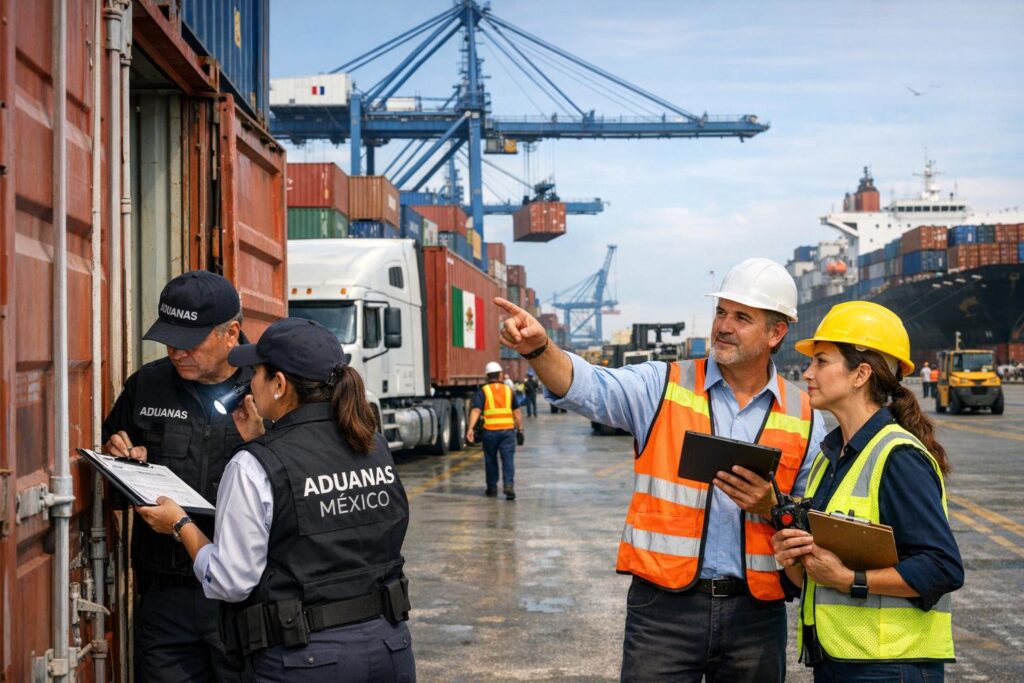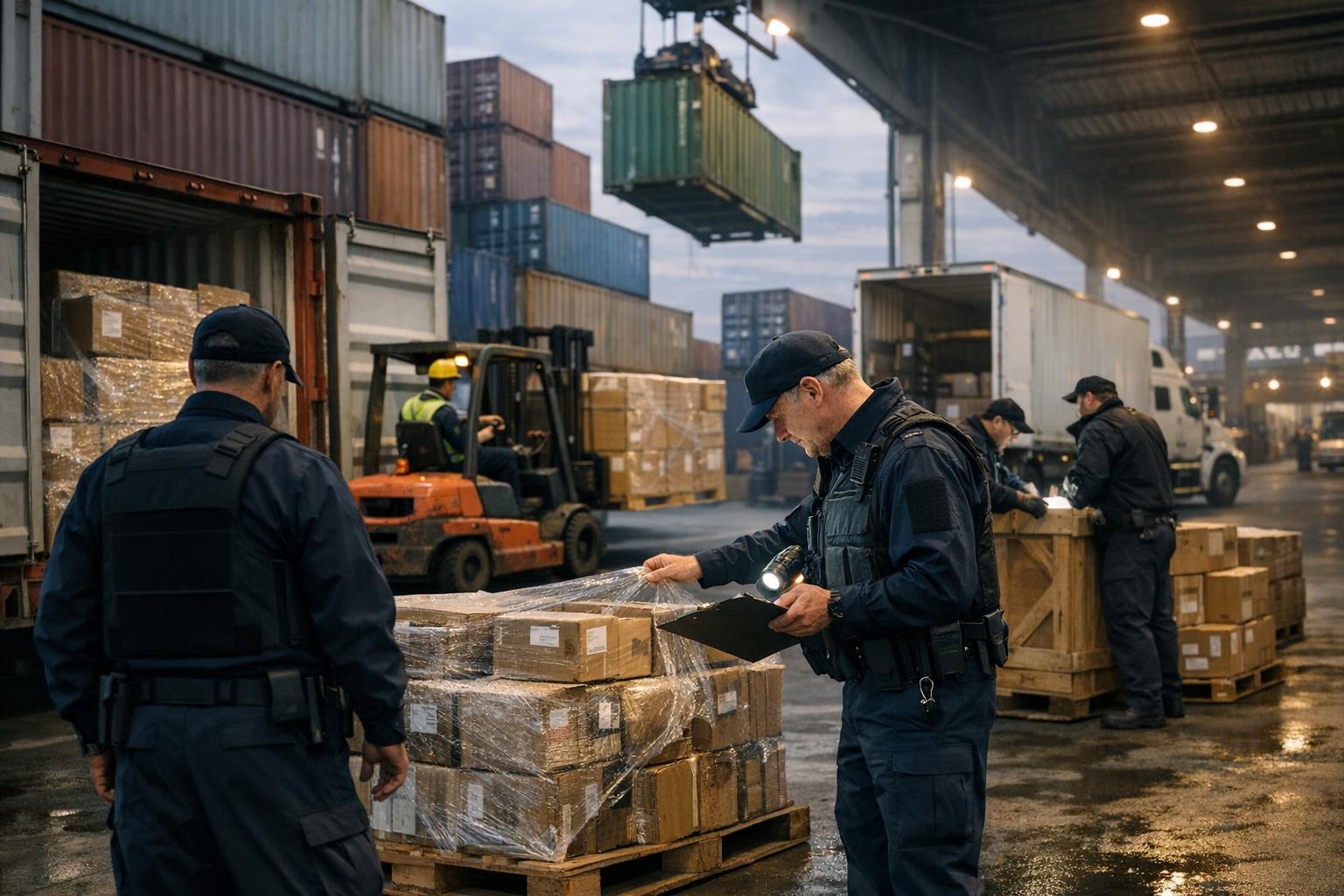
We understand that navigating Mexico’s import process can be challenging for businesses of all sizes.
We have compiled the most common mistakes to avoid when bringing goods into Mexico, so you can clear customs faster and reduce unexpected costs.
By following our guide, we will help you streamline your import operations and stay compliant with national regulations.
- Missing or incomplete documentation requirements
- Underestimating import duties and taxes
- Non-compliance with Mexican regulatory standards
- Choosing the wrong customs broker or freight forwarder
- Overlooking labeling and safety requirements
- Ignoring free trade zone benefits
- Poor shipping and cost estimation
Common Documentation Errors When Importing into Mexico
Missing or Incomplete Paperwork
One of the top mistakes we encounter is missing essential documents such as the commercial invoice, bill of lading, or certificate of origin. Without these, customs authorities will halt clearance and impose delays.
Incorrect Invoice or Packing List Details
Errors in item descriptions, quantities, or values on the invoice and packing list lead to rejections and fines. We recommend double-checking each entry against the purchase order before submission.
Ignoring Pedimento Requirements
Filing the Mexican pedimento incorrectly can trigger audits. Learn more about detailed pedimento guidance in our Understanding the Mexican Pedimento article.
Misjudging Import Duties and Tax Calculations
Valuation and Tariff Classification
Accurate classification under the Harmonized System (HS) code determines duty rates. If we misclassify, we risk underpayment penalties or overpaying duties.
Strategies to Optimize Duty Payments
- Apply preferential tariffs through trade agreements
- Use correct customs valuation methods
- Consider bonded warehouses for deferred duties
| Type | Rate | Notes |
| General Tariff | 0–35% | Depends on HS code |
| Value Added Tax (VAT) | 16% | Payable on CIF value |
| Excise Tax | Varies | On alcohol, tobacco, fuels |
According to John Smith, a customs compliance expert, ‘Accurate classification is the foundation of hassle-free imports’.
Non-Compliance with Mexican Regulations and Standards
Regulatory Bodies and Technical Norms
Mexico enforces NOM standards for electrical, mechanical, and safety requirements. We must confirm product compliance before shipping to avoid rejections at entry.
Health and Safety Certifications
Imports of foods, supplements, and medical devices require COFEPRIS approval. Without proper certificates, we face costly returns or destruction of goods.
Choosing the Wrong Customs Broker or Freight Forwarder
Evaluating Roles and Responsibilities
A skilled customs broker handles tariff classification, duties, and filings, while a freight forwarder manages transport logistics. See our comparison of Roles and Responsibilities of a Freight Forwarder vs Customs Broker.
Assessing Expertise and Network
We recommend selecting professionals with proven experience in cross-border trade with Mexico, including strong relationships with carriers and customs agents to expedite processes.
Overlooking Labeling and Safety Standards
Importance of Proper Labels
Labeling requirements in Mexico include Spanish translations and specific data points. Failing to comply can lead to fines and delays.
Sector-Specific Considerations
For supplements and health products, extra labeling guidelines apply. Review our guide on Importing Supplements & Health Products: Labeling & Safety Standards.
Ignoring Free Trade Zone Benefits
How to Utilize Free Trade Zones
Operating within a maquiladora zone allows duty deferral and VAT exemptions on raw materials. We can leverage these zones to improve cash flow and reduce penalties.
Compliance and Reporting
Managing inventory and periodic reports is mandatory when using free trade zones. Regular audits ensure we maintain benefits without surprises.
Underestimating Shipping Costs and Logistics Planning
Negotiating with Carriers and Consolidators
Securing volume discounts and flexible contracts with carriers helps us control freight costs. We also explore consolidation options for small shipments.
Cost Reduction Strategies
- Compare air, sea, and land rates
- Use Incoterms that align with our cash flow
- Implement real-time tracking to avoid demurrage
Discover more tactics in our Strategies for Reducing Shipping Costs in International Freight article.
Conclusion
We believe that by addressing these common pitfalls, we can optimize import operations, reduce delays, and avoid unnecessary costs when importing into Mexico. For further guidance and tailored support, visit https://brokermx.com.
FAQ
- What documents are mandatory for importing into Mexico?
We need a commercial invoice, bill of lading, certificate of origin, and electronic pedimento for clearance. - How do we determine the correct HS code?
We consult the tariff schedule published by Mexico’s Tax Administration Service and, if needed, request a binding tariff information ruling. - Can we reduce import duties through trade agreements?
Yes. We can apply for preferential rates under agreements like USMCA, provided we meet origin criteria and file proper proofs. - What happens if our shipment fails NOM compliance?
Customs will detain or reject goods. We must correct labeling or technical specifications and resubmit for certification. - Do we need a customs broker?
While not mandatory, using an experienced broker significantly reduces clearance times and ensures compliance with regulations.
Contact our team today to streamline your imports into Mexico and ensure seamless customs clearance with proven strategies and expert support.