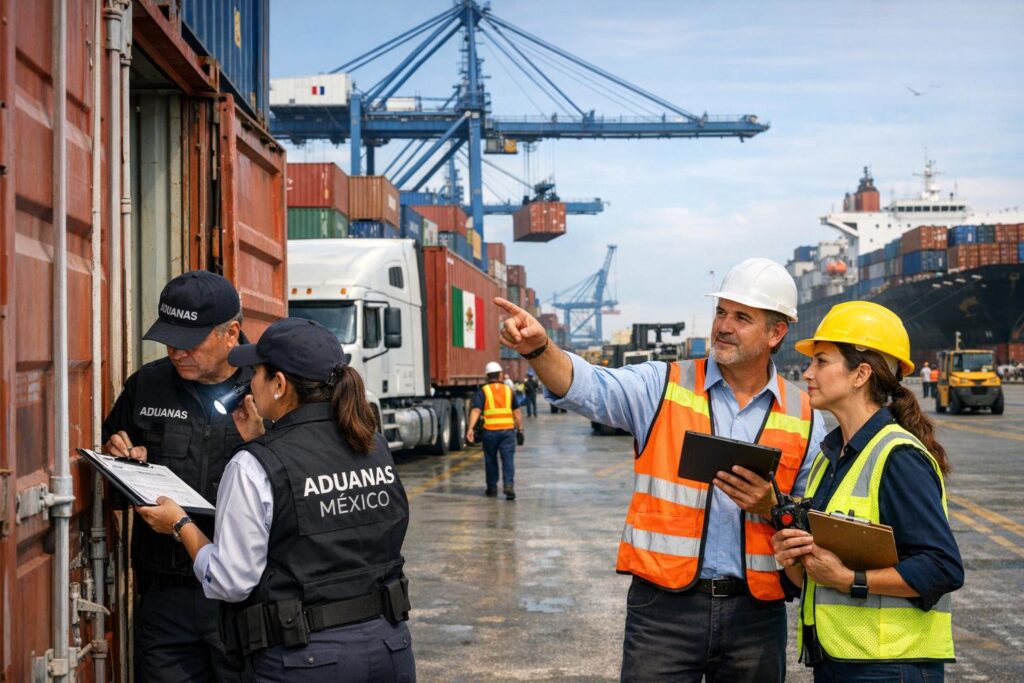
Freight Forwarder: The Logistics Orchestrator
Core Responsibilities
- Transportation Management: Arrange the movement of goods via ocean, air, rail, or road carriers.
- Consolidation & De‑consolidation: Combine multiple small shipments into a single container (LCL) or split a full container (FCL) for distribution.
- Documentation Preparation: Generate commercial invoices, packing lists, bills of lading, and export declarations.
- Warehouse Services: Offer storage, inventory control, and value‑added services such as labeling or repackaging.
- Risk Management: Provide cargo insurance options and advise on Incoterms® that define responsibilities.
- Supply‑Chain Visibility: Track shipments in real‑time and deliver status updates to customers.
What Sets a Freight Forwarder Apart?
A freight forwarder is essentially a “travel agent” for cargo. They do not own the transportation assets but leverage a network of carriers to obtain the best rates and routes. Their expertise lies in optimizing the end‑to‑end journey, from the point of origin to the final destination, ensuring that every logistical link is coordinated efficiently.
Benefits of Using a Professional Freight Forwarder
- Reduced freight costs through volume discounts.
- Streamlined documentation that meets both export and import regulations.
- Access to multimodal solutions tailored to product type and urgency.
- Proactive problem‑solving when disruptions (e.g., port strikes) occur.
Customs Broker: The Compliance Specialist
Core Responsibilities
- Customs Clearance: Submit entry documents to customs authorities and obtain release orders.
- Duty & Tax Calculation: Classify goods using the Harmonized System (HS) code, determine applicable duties, taxes, and fees.
- Regulatory Compliance: Ensure shipments meet import/export licensing, quota, and safety standards.
- Bond Management: Secure customs bonds that guarantee payment of duties and compliance with regulations.
- Advisory Services: Counsel importers/exporters on tariff engineering, preferential trade agreements, and risk mitigation.
Why a Customs Broker Is Indispensable
Customs brokers act as the legal liaison between the importer/exporter and government agencies. They possess deep knowledge of ever‑changing customs laws, tariff schedules, and trade agreements. Their primary goal is to clear goods quickly while avoiding penalties, seizures, or costly re‑exports.
Key Advantages of Partnering with a Trusted Customs Broker
- Accurate duty assessments that prevent over‑payment.
- Faster release times due to expert handling of documentation.
- Reduced risk of compliance violations and associated fines.
- Strategic guidance on leveraging Free Trade Agreements (FTAs).
Freight Forwarder vs. Customs Broker: Direct Comparison
Side‑by‑Side Responsibilities
| Aspect | Freight Forwarder | Customs Broker |
|---|---|---|
| Primary Focus | Movement of goods across modes of transport | Legal clearance through customs |
| Key Licenses | Freight Forwarder License (U.S. Federal Maritime Commission or equivalent) | Customs Broker License (CBP in the U.S.) |
| Core Documentation | Bill of Lading, Packing List, Commercial Invoice | Entry Summary (Form 7501), Power of Attorney, Bond |
| Risk Management | Cargo insurance, Incoterms advice | Duty & penalty mitigation, compliance audits |
| Typical Clients | Manufacturers, retailers, e‑commerce merchants | Importers, exporters, freight forwarders (as sub‑contractors) |
When Do You Need Both?
In most international shipments, a freight forwarder and a customs broker work hand‑in‑hand. The forwarder handles the physical journey, while the broker clears the paperwork at the border. For small‑to‑medium enterprises lacking internal expertise, partnering with a single provider that offers both services can simplify communication and reduce errors.
Why Choose Broker MX for Your Freight Forwarding & Customs Brokerage Needs?
Broker MX stands out as a one‑stop solution that combines world‑class freight forwarding with expert customs brokerage. Here’s why shippers consistently select Broker MX:
Integrated Service Platform
- Unified Dashboard: Monitor transportation milestones and customs status from a single portal.
- End‑to‑End Visibility: Real‑time alerts for delays, duty assessments, and document approvals.
- Seamless Communication: Dedicated account managers who coordinate both logistics and compliance teams.
Compliance Excellence
- Team of licensed customs brokers with deep knowledge of U.S., Mexican, and EU regulations.
- Proactive audits to ensure HS code accuracy and optimal duty rates.
- Expertise in leveraging FTAs such as USMCA, EU‑Mexico, and ASEAN agreements.
Cost Savings & Speed
- Negotiated carrier contracts that pass savings directly to clients.
- Fast customs release times—averaging 24‑48 hours for standard entries.
- Strategic routing that reduces transit time without sacrificing service quality.
Customer‑Centric Support
- 24/7 multilingual support for North American and Latin American markets.
- Customized solutions for e‑commerce, perishable goods, hazardous materials, and oversized cargo.
- Transparent pricing with no hidden fees, supported by detailed invoices.
By choosing Broker MX, businesses gain the peace of mind that comes from a partner who handles both the logistics puzzle and the regulatory maze, allowing you to focus on growth rather than paperwork.
Frequently Asked Questions (FAQ)
What is the main difference between a freight forwarder and a customs broker?
A freight forwarder coordinates the physical movement of cargo, selecting carriers, consolidating shipments, and managing logistics. A customs broker specializes in clearing goods through customs, handling duties, taxes, and compliance documentation.
Do I need both a freight forwarder and a customs broker for every international shipment?
While it’s possible to hire each service separately, most importers benefit from using both. Many companies, including Broker MX, offer integrated solutions that streamline communication and reduce the chance of errors.
Can a freight forwarder act as a customs broker?
In some jurisdictions a forwarder may also hold a customs broker license, but the roles remain distinct. It’s essential to verify that the provider is licensed for both activities to ensure full compliance.
How does a customs broker determine the correct duty rate?
The broker classifies each product using the Harmonized System (HS) code, reviews applicable tariff schedules, and applies any preferential rates from trade agreements. Accurate classification prevents over‑payment and avoids penalties.
What are Incoterms and why do they matter?
Incoterms® define the responsibilities of buyers and sellers for delivery, risk transfer, and cost allocation. Freight forwarders advise on the most suitable Incoterm for a shipment, while customs brokers ensure the chosen term aligns with clearance requirements.
How can Broker MX help me reduce customs duties?
Broker MX’s licensed brokers perform detailed tariff analysis, identify eligible preferential rates under USMCA or other FTAs, and recommend classification strategies that minimize duties without violating regulations.
Is cargo insurance mandatory?
While not legally required in most cases, cargo insurance protects against loss or damage during transit. Broker MX can arrange comprehensive coverage tailored to the value and nature of your goods.
What technology does Broker MX use for shipment tracking?
Broker MX employs a cloud‑based platform that integrates carrier APIs, provides real‑time GPS tracking, and offers automated alerts for customs status, ensuring full visibility from origin to destination.
How quickly can Broker MX clear a shipment through customs?
Typical clearance times are 24–48 hours for standard entries, thanks to Broker MX’s pre‑submission checks, bonded warehouse access, and strong relationships with customs authorities.
Where can I get a quote for freight forwarding and customs brokerage?
Visit Broker MX’s quote request page or contact their sales team directly for a free, no‑obligation estimate.