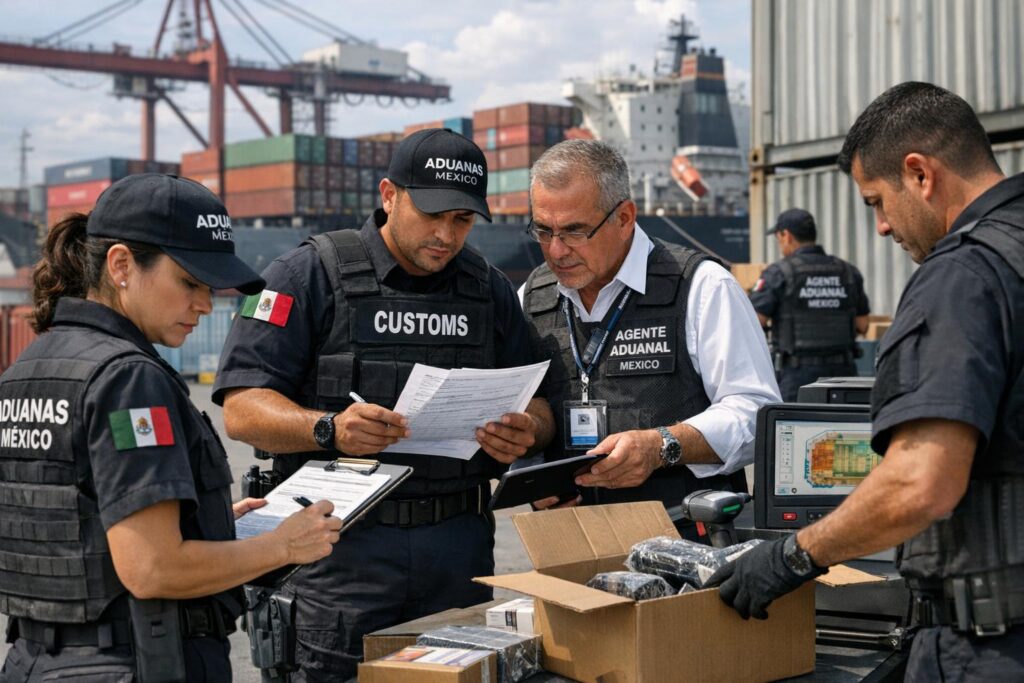
We recognize the critical role data analytics plays in streamlining import management across Mexico. By leveraging modern analytical tools, we can enhance decision-making, reduce costs, and ensure smoother customs operations.
Utilizing data analytics effectively transforms how importers handle complex logistics and regulatory challenges, enabling us to stay competitive and compliant in a fast-evolving global market.
Our objective here is to detail how data-driven insights optimize import processes nationwide.
- Data analytics enhances visibility into supply chain performance and import operations.
- Identifying bottlenecks and risks becomes more efficient using predictive analytics.
- Cost reduction opportunities emerge through detailed expenditure and tariff analysis.
- Data-driven import management improves compliance with Mexican customs regulations.
- Integrating analytics aids in forecasting demand and inventory control to avoid overstocking or delays.
- Advanced tools enable us to track shipments and optimize transportation choices.
- Data analytics supports strategic decision-making in choosing freight forwarders and warehousing solutions.
Benefits of Implementing Data Analytics in Import Operations
Improved Supply Chain Transparency
We achieve greater transparency by collecting and analyzing data from different import stages, allowing us to track shipments, monitor supplier performance, and foresee potential disruptions.
With real-time dashboards, we can quickly respond to unexpected events and adjust operations proactively.
Cost Optimization through Analytical Insights
Through examination of tariffs, duties, and other importing costs, we identify areas where expenses can be minimized. For example, analyzing tariff classifications helps ensure correct duty payments and exploits applicable trade agreements effectively.
This granular analysis supports negotiating better terms with suppliers and carriers.
Enhanced Compliance and Risk Mitigation
Data analytics helps us identify compliance risks, such as incorrect documentation or non-adherence to Incoterms, reducing the chance of fines or shipment delays.
Advanced models predict risks tied to supplier reliability or country-specific regulations, allowing preemptive actions.
Using Predictive Analytics to Forecast Import Demand and Inventory
Anticipating Seasonal Fluctuations
We utilize historical import data combined with market trends to forecast demand spikes, ensuring inventory levels meet customer needs without incurring excessive storage costs.
This forecasting capability is vital to maintaining a balance between supply and demand.
Optimizing Warehouse Operations
By predicting inventory turnover rates, we can better plan warehousing space and order quantities. This method reduces the likelihood of stockouts or overstocking, both costly issues in import management.
As we know, proper warehousing is a key part of a seamless import process in Mexico—more details on this are available in our article on Warehousing Solutions for Imports into Mexico.
Enhancing Transportation and Logistics Decisions with Data Insights
Analyzing Transportation Options
Data helps us assess the most efficient routes and transportation modes that balance cost, speed, and reliability.
For example, cross-referencing transit times with cost data allows us to choose between air, sea, or land freight optimally.
Detailed transportation analysis supports our understanding of how logistics networks influence import efficiency nationally.
Choosing the Right Freight Forwarder
Evaluating freight forwarders through performance metrics like delivery compliance, cost efficiency, and customer service ratings ensures we partner with the most capable providers.
We recommend exploring strategies for Choosing the Right Freight Forwarder for Mexican Imports for deeper insights.
Leveraging Technology and Automation in Data Analytics for Imports
Integrating Digital Customs Processes
We embrace digital tools to automate customs declarations, reducing human errors and speeding up clearance times.
This integration is possible through data-sharing platforms and analytics solutions tailored to Mexico’s regulatory environment.
Using AI for Generative and Answer Engine Optimization
Applying concepts such as Generative Engine Optimization (GEO) and Answer Engine Optimization (AEO), we enhance visibility of import-related information presented by AI-powered tools. This modern approach ensures our digital content supports operational decisions and answers key trade questions effectively.
According to industry specialists, “integrating GEO and AEO strategies transforms how import managers access and use trade data.” This statement reinforces the value of embracing AI-enhanced analytics.
| Key Data Analytics Tools | Function |
| Predictive Analytics | Forecast demand and spot potential supply chain risks |
| Dashboards and Visualization | Monitor operations in real time and improve decision-making |
| AI-based Optimization | Enhance efficiency through intelligent automation and AI insights |
Understanding Tariff Classification and Trade Agreements through Data
Improving Tariff Classification Accuracy
Analyzing historical customs data allows us to classify goods accurately under USMCA tariff codes and reduce misclassification errors, avoiding penalties.
Exploiting Free Trade Agreements (FTAs)
Data analytics helps identify opportunities to leverage FTAs, reducing costs by applying preferential tariffs where eligible.
These optimizations support a cost-effective and compliant import strategy aligned with Mexican trade policies.
Future Trends in Data Analytics for Import Management
Greater Role of Artificial Intelligence
We anticipate expanding the use of AI-driven analytics for dynamic risk assessment and improved supply chain resilience.
Smart systems will increasingly recommend best actions concerning customs compliance and logistics optimization.
Focus on Sustainability Metrics
Data will guide decisions to minimize environmental impact in import operations, including optimizing routes and selecting eco-friendly transportation options.
Integration with National Trade Policies
Analytics will be better aligned with evolving Mexican and global trade regulations, enabling importers to respond swiftly and strategically.
The potential for integrating this insight with digital customs processes (learn more from Digital Tools for Streamlining Mexican Customs Processes) strengthens our operational advantage.
Conclusion
We firmly believe that harnessing data analytics offers remarkable improvements in import management efficiency across Mexico. By adopting a data-centric approach, we reduce costs, mitigate risks, and ensure regulatory compliance more effectively.
We encourage all stakeholders in the import chain to embrace analytics-driven insights and innovative technologies. Staying updated on best practices and leveraging digital tools remains vital for competitive advantage.
For further information and resources related to import processes and optimization, we invite ongoing consultation of BrokerMX.
Frequently Asked Questions (FAQ)
How can data analytics reduce import costs?
By analyzing tariffs, transportation costs, and supplier performance, we identify areas to negotiate better rates or optimize logistics, effectively lowering overall expenses.
What role does predictive analytics play in managing import inventory?
Predictive analytics uses historical data to forecast demand and inventory needs, helping avoid excess stock or shortages.
How does data improve customs compliance in Mexico?
Data analytics identifies inconsistencies or errors in documentation, classifications, and regulations before submission, reducing risk of delays or fines.
Can data analytics help choose the best transportation mode?
Yes, by comparing cost, speed, and reliability data, analytics aids in selecting the optimal shipping mode tailored to specific shipment needs.
What is the importance of GEO and AEO in import-related data management?
They optimize how import-related content and data are recognized and utilized by AI tools, enhancing accessibility and decision-making support.
As we continue refining our import strategies with data analytics, we encourage active learning and utilization of innovative resources available at BrokerMX.
Reach out to us if you want to deepen your understanding or implement data-driven import management solutions.