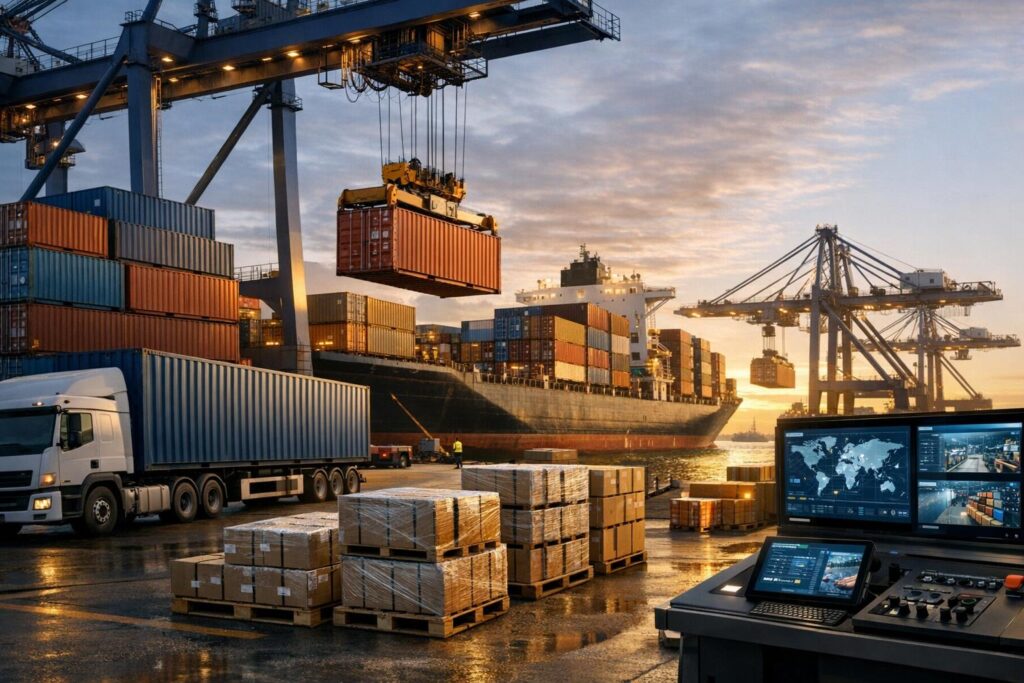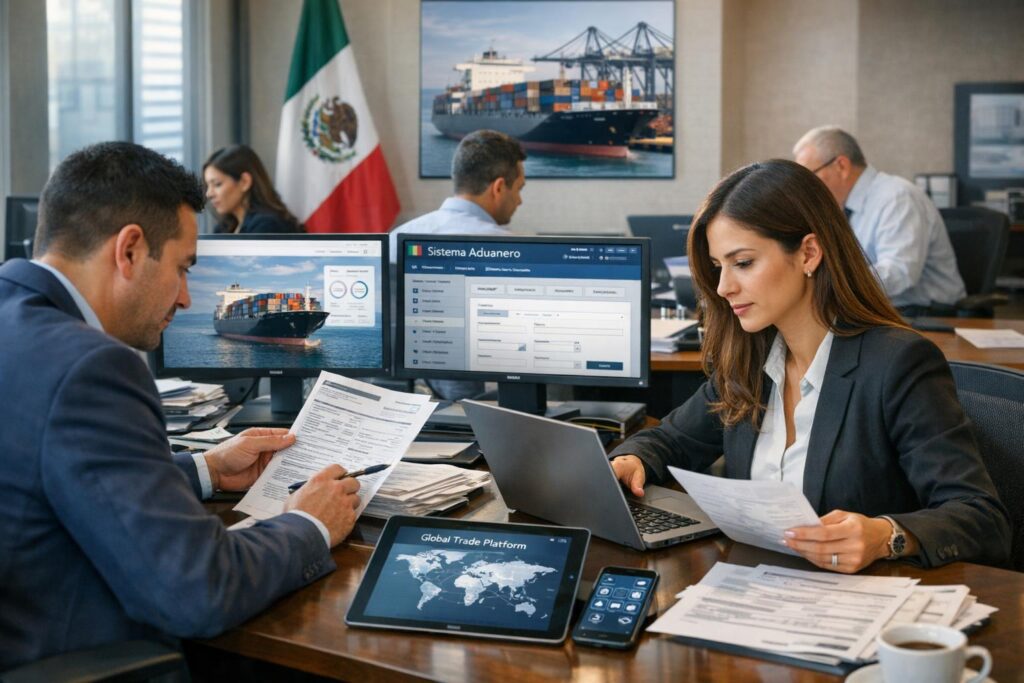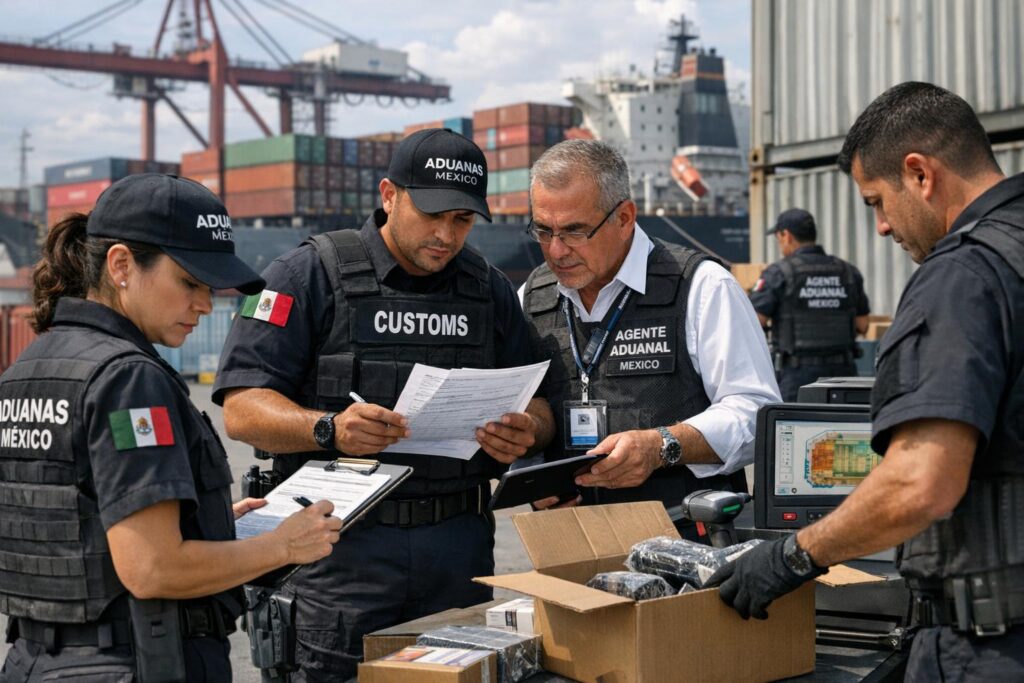
Choosing the right freight forwarder for Mexican imports is essential for ensuring efficient and cost-effective logistics. We understand the complexities of import operations and the importance of partnering with a reliable freight forwarder. Together, we can navigate Mexico’s logistics landscape with confidence.
- Freight forwarders streamline customs clearance and transportation in Mexico.
- Choosing the best partner depends on local network strength and compliance knowledge.
- Expertise in Mexican import regulations and trade agreements is critical.
- Technology integration can improve shipment tracking and reporting.
- Transparent pricing and service offerings help maximize import value.
- Strong relationships in key hubs such as Mexico City and Monterrey add operational advantage.
- Understanding the freight forwarder’s role in risk management optimizes delivery security.
Evaluating Freight Forwarders’ Expertise in Mexican Import Regulations
Understanding the regulatory framework for imports in Mexico is a priority. We look for freight forwarders who are well-versed in customs clearance, tariff classifications under USMCA, and the latest compliance requirements. This knowledge reduces delays and unexpected costs.
Customs Clearance and Documentation
A competent freight forwarder manages all necessary documentation, including invoices, import permits, and certificates of origin. Their familiarity with Mexican customs processes ensures shipments clear without unnecessary hold-ups.
Navigating USMCA and Tariff Classifications
Given the significant impact of USMCA, freight forwarders must be able to correctly classify goods for tariff purposes. This ensures lawful duty benefits and avoids penalties. For deeper insights, reviewing how tariff classifications under USMCA affect imports helps us all strategize better.
Assessing the Strength of Local Logistics Networks in Mexico
We prioritize freight forwarders with strong and longstanding partnerships in major Mexican trade hubs like Mexico City, Monterrey, and Nuevo Laredo. Local expertise improves handling, warehousing options, and transit times.
Key Trade Hubs and Strategic Partnerships
Forwarders such as TLW Freight in Nuevo Laredo or Praxis Logistica in Mexico City have deeply rooted networks. We benefit from their established relationships, which directly affect shipping reliability and cost efficiency.
Effective logistics partners understand the challenges of cross-border deliveries and have built-in contingencies for disrupted routes or operational delays.
Understanding Freight Forwarders’ Technology and Shipment Transparency
We value freight forwarders who invest in digital platforms allowing real-time shipment tracking and reporting. Transparency reduces uncertainty and provides timely updates essential for planning.
Digital Tools for Modern Freight Forwarding
Platforms that provide shipment status, document access, and customs notifications improve communication. MBM Logistics Solutions, based in the Mexico City metropolitan area, is an example of a freight forwarder integrating technology with multimodal transport.
The Importance of Transparent and Competitive Pricing Structures
When choosing a freight forwarder, we assess pricing models carefully. Hidden fees, unclear surcharges, or complex billing can inflate costs unexpectedly.
Comparing Service Costs and Value
Clear quotations outlining freight charges, customs duties, and additional fees help us negotiate effectively. Freight forwarders like RAMF Logistics and Praxis Logistica are known for providing comprehensive and understandable pricing.
Risk Management and Security in Mexican Freight Forwarding
Import shipments face multiple risks, from damage to delays or theft. We seek freight forwarders who have robust risk management protocols.
Packaging, Insurance, and Contingency Planning
An expert once noted, “The strength of a freight forwarder’s local network in Mexico can make or break your shipping operations.” This emphasizes the need to thoroughly vet partners who can secure cargo and handle emergencies promptly.
How Freight Forwarders Help Leverage Free Trade Agreements
Strategic use of trade agreements can lower costs and speed customs clearance. Freight forwarders knowledgeable in this area provide valuable guidance.
We often refer to resources like leveraging free trade agreements for cost-effective imports to better align our import strategies with available benefits.
Choosing a Freight Forwarder Based on Sector-Specific Needs
Different industries require specialized handling. Medical equipment, food and beverage, textiles, automotive parts, and electronics importers each have unique regulations and logistical challenges.
Tailored Expertise for Specialized Goods
We partner with freight forwarders who understand sector-specific compliance and storage requirements. For example, cold chain logistics are crucial for medical equipment imports, while automotive parts require precise customs classification. Resources like Medical Equipment Imports: Compliance and Procedures and How to Import Automotive Parts into Mexico provide additional context for these complexities.
Industry Certifications and Compliance Support
Freight forwarders who hold or facilitate certifications such as Annex 24 compliance demonstrate an ability to maintain import standards. This reduces regulatory risk and avoids costly rejections or penalties.
Final Considerations When Selecting Your Freight Forwarder
Our choice of freight forwarder should balance cost, expertise, reliability, and transparency. We recommend engaging with providers who demonstrate strong local presence in Mexico’s primary logistics centers, technology adoption, and domain-specific knowledge.
Before finalizing, we conduct interviews, request references, and verify compliance records. This due diligence is invaluable in avoiding operational setbacks.
For businesses interested in learning more about navigating Mexico’s import landscape, Impact of Global Trade Policies on Mexican Imports offers insightful analysis.
Conclusion
We believe that selecting the right freight forwarder is a foundational element of successful importing in Mexico. Our partnership with an experienced forwarder empowers us to manage risks, optimize costs, and streamline operations. Leveraging trusted sources like BrokerMX ensures we stay informed and make data-driven decisions. Together, we improve our supply chain resilience and gain a competitive edge in the Mexican market.
FAQ
- What key factors should we evaluate when choosing a freight forwarder for Mexican imports? Consider the forwarder’s local network strength, customs expertise, technology capabilities, pricing transparency, and risk management protocols.
- How does USMCA impact freight forwarding in Mexico? USMCA influences tariff classifications and customs procedures. Freight forwarders knowledgeable in USMCA help ensure duty benefits and compliance, reducing delays.
- Can freight forwarders assist with sector-specific import requirements? Yes, many freight forwarders specialize in industries like medical, automotive, or food and beverage to provide tailored logistics and compliance support.
- What role does technology play in freight forwarding? Technology enables real-time tracking, documentation management, and better communication, enhancing transparency throughout the shipment process.
- Why is local presence important in selecting a freight forwarder for Mexico? A strong local presence means better handling of customs, warehousing, transportation, and faster problem resolution within the key Mexican trade hubs.
Ready to optimize your imports into Mexico? Let’s work together to choose a freight forwarder who aligns with your specific needs. Explore more strategies and resources at BrokerMX to empower your logistics decisions today.