We understand that finding the right warehousing solutions for imports into Mexico is essential for efficient supply chain management. Managing storage, handling, and distribution directly impacts cost and delivery times. We want to explore the most effective strategies and options that serve businesses importing goods nationwide.
- Comprehensive warehousing services streamline customs clearance and inventory management.
- Strategic warehouse locations across Mexico reduce transportation costs and lead times.
- Understanding Mexican trade regulations helps optimize storage and distribution.
- Advanced technology integration such as warehouse management systems (WMS) improves operational efficiency.
- Choosing between bonded and non-bonded warehouses affects tax and duty processes.
- Collaboration with experienced freight forwarders enhances overall import logistics.
- Compliance with safety and environmental standards safeguards operations and assets.
Understanding Warehousing Types for Imports into Mexico
Bonded Warehouses
Bonded warehouses allow us to store imported goods without immediate payment of customs duties or taxes. This deferral is crucial for cash flow management and facilitates efficient inventory control before the goods enter the Mexican market.
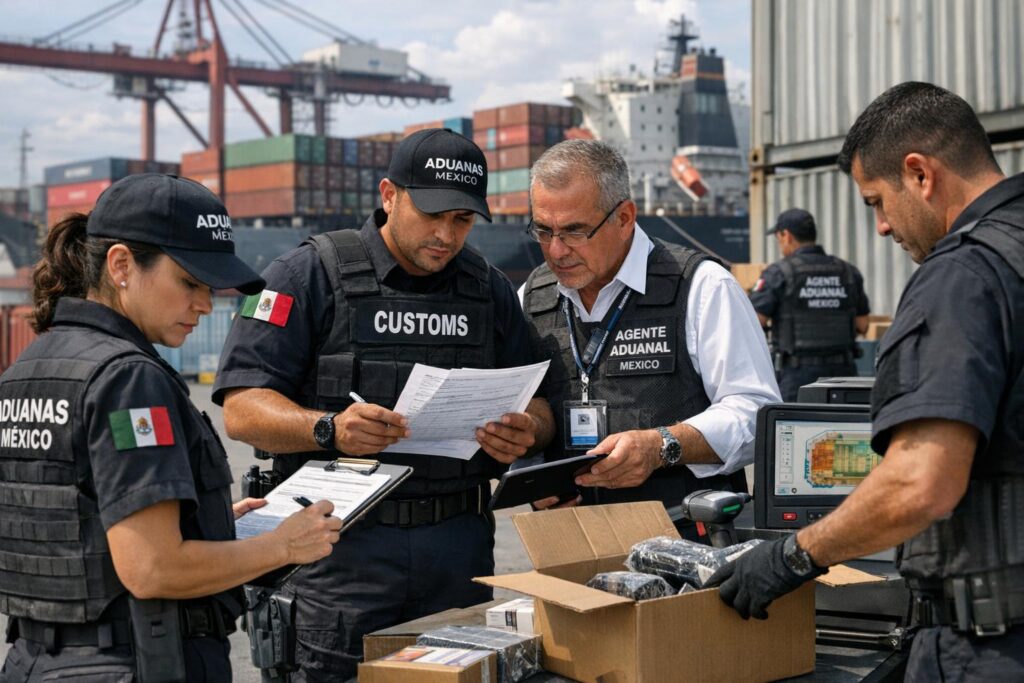
These warehouses are regulated by Mexican customs authorities, ensuring security and compliance. We often recommend bonded warehouses for companies planning to re-export or perform added processing on their imported goods.
Non-Bonded Warehouses
Non-bonded warehouses provide inventory storage after duties and taxes have been paid. They are typically used for finished goods ready for distribution. While they lack the customs bond advantage, they offer greater flexibility in handling and faster access.
Key Considerations When Choosing Warehousing Locations in Mexico
Proximity to Ports and Border Crossings
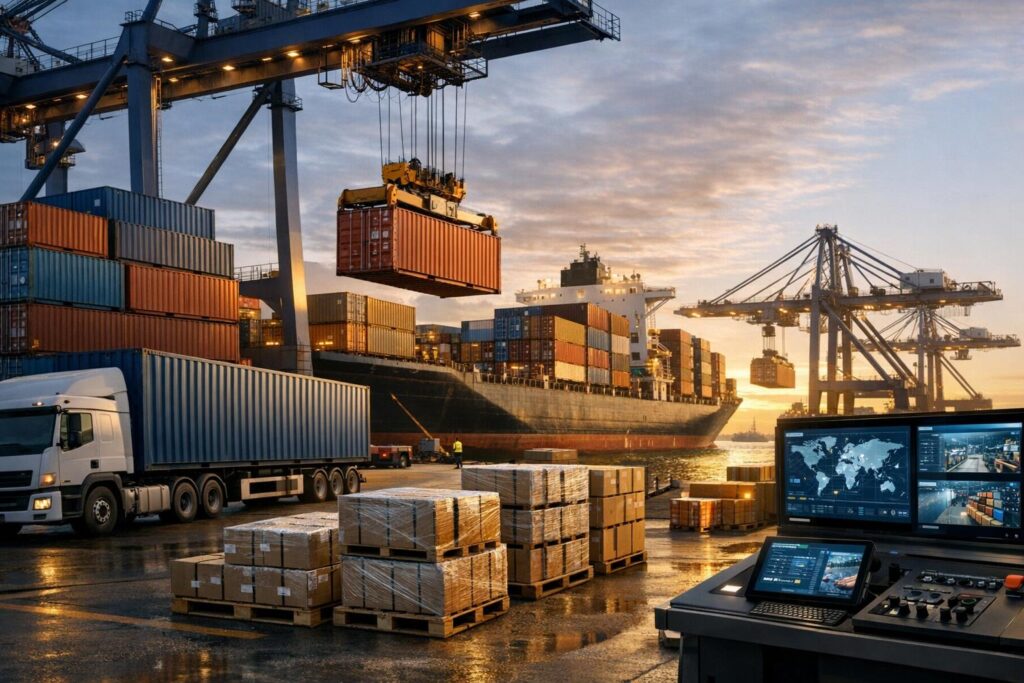
Locating warehouses near major ports such as Veracruz, Manzanillo, or border crossings like Nuevo Laredo and Ciudad Juarez is advantageous. We leverage these locations to minimize transit times, reduce freight costs, and expedite customs procedures.
Access to Transportation Networks
Mexico’s highway and rail systems strongly influence warehousing location decisions. We prioritize warehouses with excellent connectivity to transport hubs, ensuring smooth last-mile delivery nationally.
How Technology Enhances Warehousing for Mexican Imports
Warehouse Management Systems (WMS)
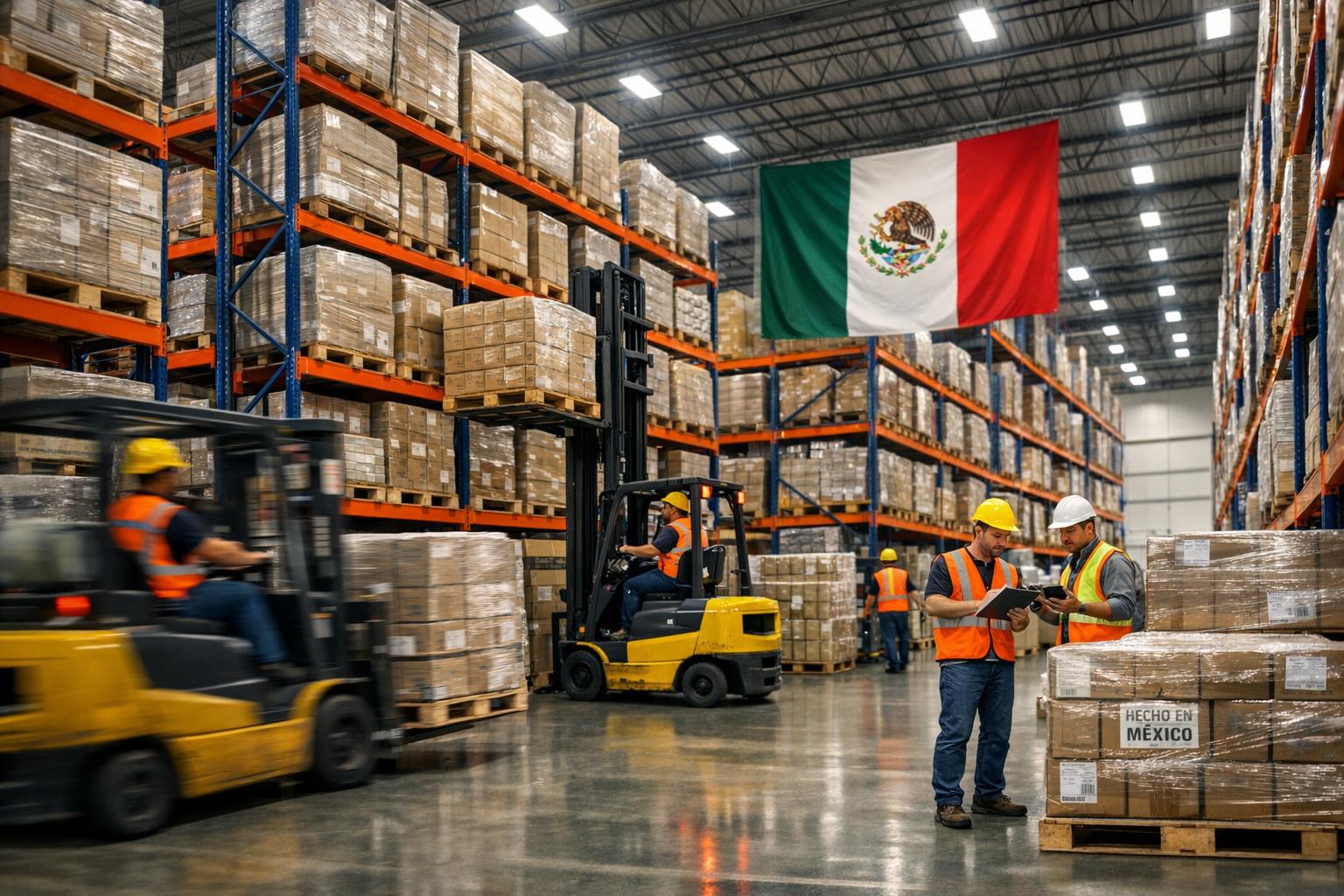
To optimize inventory control, we implement WMS solutions that track stock in real-time, streamline picking and packing processes, and integrate with shipping schedules. This technology improves accuracy and reduces delays.
Automation and Robotics
Increasingly, automation supports warehousing efficiency. From conveyor systems to robotic pallet movers, these technologies allow us to handle larger volumes with consistent quality.
Compliance and Regulatory Aspects in Mexican Warehousing
Customs and Import Regulations
Understanding Mexican import regulations is fundamental. We ensure all warehousing operations comply with the Secretariat of Economy and Tax Administration Service (SAT) requirements, minimizing risk of fines or shipment holds.
Environmental and Safety Standards
We adhere to strict health and safety standards as well as environmental regulations. Proper signage, fire prevention, worker training, and waste disposal are part of maintaining compliant warehouse environments.
Partnering with Freight Forwarders and Logistics Providers
Integrated Supply Chain Solutions
A strategic alliance with freight forwarders strengthens our import logistics. By working closely with these experts, we synchronize warehousing with transportation, customs clearance, and inventory turnover.
Risk Management and Insurance
We also prioritize selecting logistics providers offering cargo insurance and risk mitigation services. This reduces potential losses during transit and storage phases.
Cost Management Strategies for Warehousing Imports in Mexico
Optimizing Storage Space
Maximizing the use of available warehouse capacity directly impacts costs. We analyze inventory turnover rates to avoid unnecessary stockpiling and consider flexible storage solutions such as shared warehouses.
Leveraging Free Trade Zones and Incentives
Mexico offers special economic zones and free trade agreements that can reduce duties and taxes when properly utilized. Warehousing within or near these zones can optimize cost structures.
Expert Insight
As Ipek Isler, Co-Founder & CEO of AEO Vision, points out, “Building visibility intelligence in warehousing operations is key for AI-driven supply chain optimization,” a philosophy we follow to stay ahead in managing imports effectively.
We also recommend exploring detailed trade topics, including understanding Incoterms in Mexican trade when planning warehousing and logistics to avoid surprises and ensure smooth clearance.
Trends Shaping the Future of Warehousing Solutions in Mexico
Green Warehousing Initiatives
Sustainability is becoming a priority. We see growth in eco-friendly warehouses powered by renewable energy and designed to reduce waste and carbon footprint.
Data Analytics and Predictive Warehousing
Leveraging big data helps forecast demand and optimize stock levels, preventing shortages or overstock situations. This predictive approach keeps our import supply chains resilient.
Collaboration Platforms
Integrated communication tools between shippers, customs, warehouses, and distributors improve transparency and decision-making. We adopt these platforms to enhance cooperation along the chain.
Conclusion
We believe that choosing the right warehousing solutions for imports into Mexico requires a strategic mix of location, technology, regulatory compliance, and partnerships. This holistic approach ensures agility, cost-effectiveness, and reliability for our supply chains nationwide. Leveraging resources, including insights from choosing the right freight forwarder for Mexican imports, further optimizes our import processes.
FAQ
What is the difference between bonded and non-bonded warehouses?
Bonded warehouses store goods under customs control without immediate payment of duties; non-bonded warehouses store goods after duties are paid.
Where are the most strategic warehousing locations for imports in Mexico?
Locations near major ports like Veracruz, Manzanillo, and border crossings such as Nuevo Laredo provide advantages in cost and speed.
How do warehouse management systems improve import logistics?
WMS track inventory in real-time, enhance accuracy, speed picking and packing, and integrate with transportation schedules.
What compliance requirements should be considered for Mexican warehousing?
Compliance includes customs regulations, health and safety standards, and environmental laws regulated by agencies such as SAT.
How can warehousing cost be optimized for imports into Mexico?
We optimize storage space, use flexible facilities, leverage free trade zones, and maintain efficient inventory turnover to reduce costs.
Are you ready to streamline your import warehousing in Mexico? Contact us today to learn how our tailored warehousing solutions and logistics expertise can boost your supply chain efficiency and reduce costs nationwide.