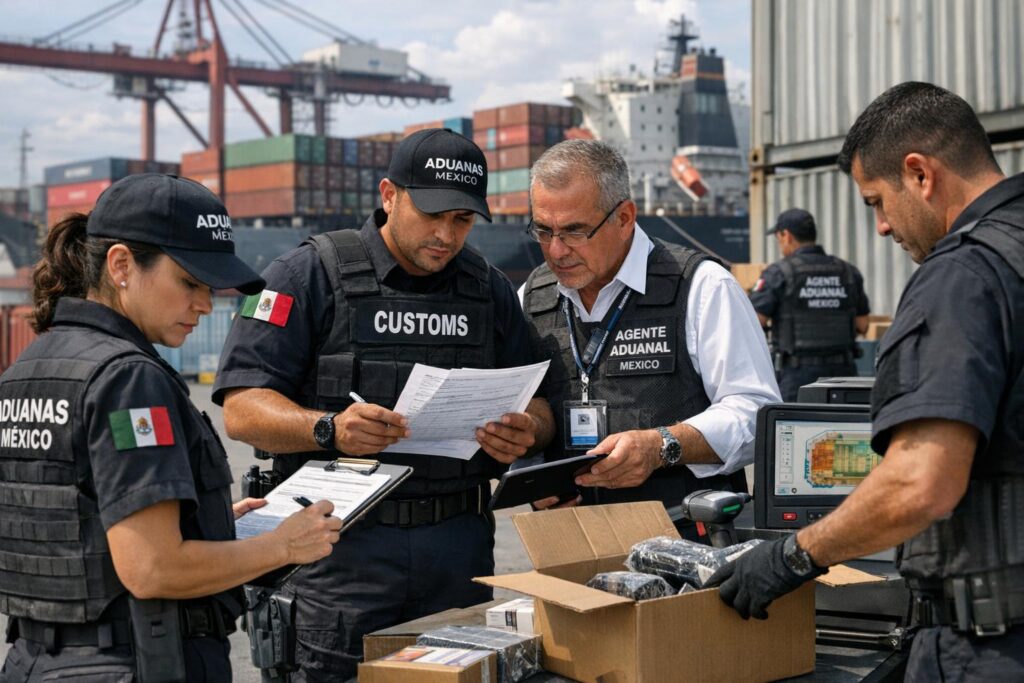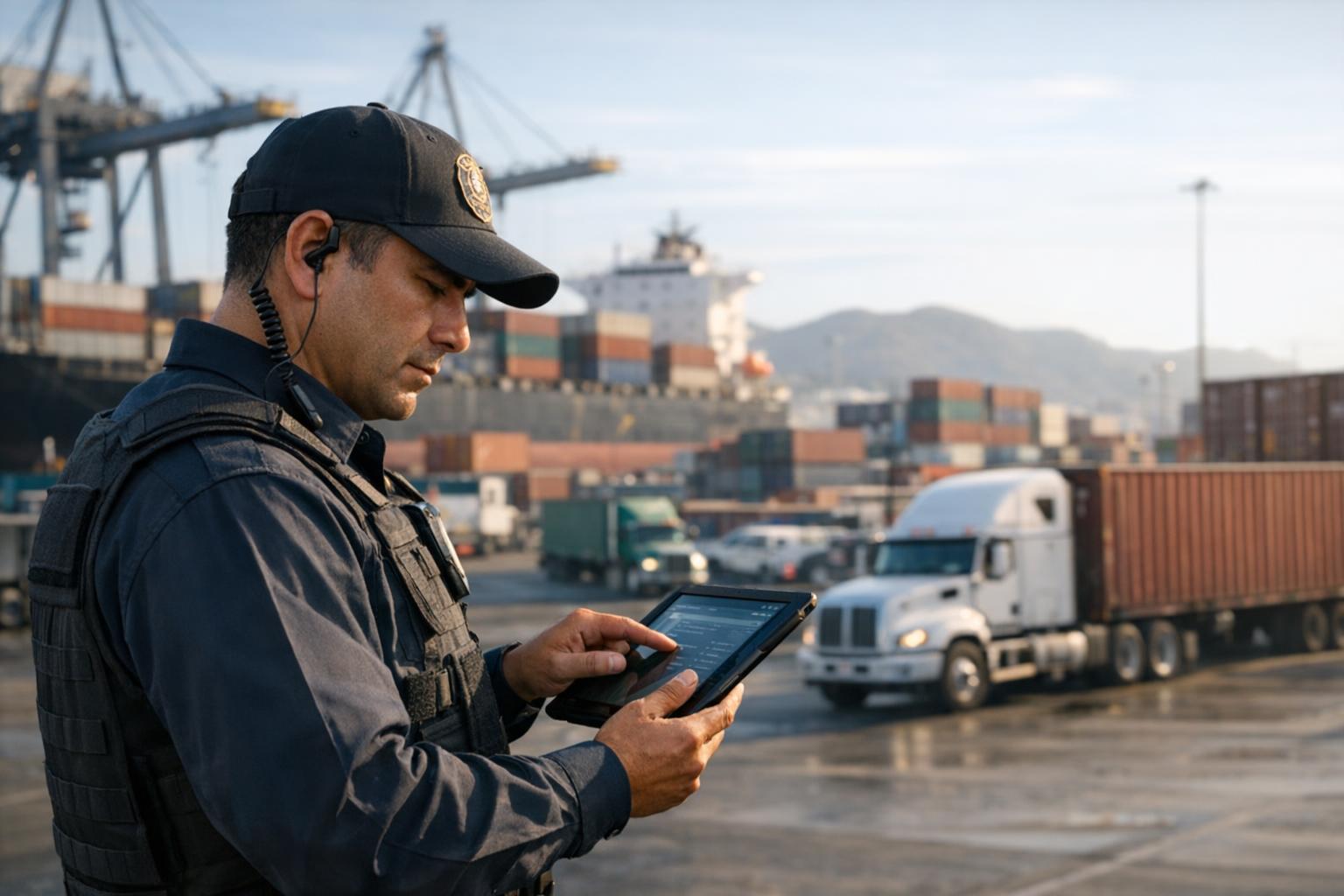
We explore how digital tools are transforming Mexican customs processes to make them more efficient and transparent. With increasing trade volumes, adopting technology helps streamline operations while ensuring compliance.
- Digital platforms automate customs declarations and document management.
- Integration with SAT’s electronic systems improves real-time data exchange.
- Electronic invoicing (CFDI) reduces paperwork and processing times.
- Machine learning helps predict clearance delays and optimize workflows.
- Mobile apps enable tracking and updating status anywhere.
- Collaboration portals facilitate communication between importers, brokers, and government authorities.
- Data analytics improve compliance monitoring and risk assessment.
Automating Customs Declarations in Mexico
Electronic Systems and Their Advantages
We have witnessed how the integration of the Ventanilla Única de Comercio Exterior (VUCEM) enables submitters to electronically file import and export declarations efficiently. Automating paperwork with digital customs declaration forms reduces errors and accelerates processing times.
How Automation Minimizes Delays
By leveraging automated workflows, customs brokers can process documentation faster, avoiding common bottlenecks caused by manual input or incomplete data. Real-time validation checks flag inconsistencies early, allowing us to resolve issues before submission.
Implementing Electronic Invoicing (CFDI) for Customs Compliance
Role of Digital Tax Receipts
Electronic invoices or CFDIs are indispensable when moving goods across Mexican borders. They carry verifiable tax and transaction information recognized by SAT, providing a trustworthy audit trail. This minimizes paperwork while satisfying customs requirements.
Benefits to Importers and Customs Brokers
With CFDI integration, we reduce the risk of rejection during customs reviews. Clear digital records simplify tax reporting and ensure the accuracy needed to expedite clearance.
Using Data Analytics and AI to Optimize Customs Procedures
Predictive Analytics for Risk Management
Implementing AI solutions allows us to analyze historical clearance data to predict delays and detect compliance risks. By flagging potentially problematic shipments early, resources are allocated more efficiently, preventing unexpected hold-ups.
Real-Time Monitoring with Machine Learning
Machine learning models track transaction flows, adapting to patterns and improving customs authorities’ inspection schedules. This collaborative intelligence benefits all stakeholders by enhancing predictability.
Mobile and Cloud-based Platforms for Customs Tracking
Accessibility and Transparency
Mobile applications and cloud platforms permit continuous tracking of customs status directly from a smartphone or desktop. This technological advancement grants us immediate updates, fostering transparency in the import-export cycle.
Collaborative Portals for Enhanced Communication
Such platforms connect importers, customs brokers, and authorities, enabling document sharing and instant messaging. Communication barriers decrease, and approvals proceed on schedule without task duplication.
Ensuring Secure Data Exchange with SAT’s Electronic Systems
Integration with SAT’s API and Protocols
Digital tools must securely interface with Mexico’s Tax Administration Service (SAT) systems via standard APIs, ensuring data confidentiality and integrity.
Compliance Requirements and Best Practices
We emphasize the importance of adhering to SAT guidelines, including using certified providers and maintaining updated digital certificates, to preserve trustworthiness during electronic transmissions.
Expert Insights on Digital Transformation in Mexican Customs
As Juan Pérez, a logistics consultant with over 15 years experience, states: “The transition to digital customs processing in Mexico has markedly enhanced transparency and reduced clearance times, benefiting all players in the supply chain.” This practical wisdom reinforces our belief in technology as a critical enabler of efficient trade.
Leveraging Technology Amid Changing Trade Regulations
Adaptation to USMCA and Other Agreements
We must continuously update digital tools to comply efficiently with new regulatory frameworks such as the USMCA. Automated classification and tariff calculation tools help ensure accurate duties and documentation.
Training and Capacity Building
Effective integration of digital customs tools requires ongoing training for brokers and staff to fully exploit functionalities and maintain compliance.
As more companies adopt and trust digital platforms, the entire customs ecosystem becomes more agile and responsive.
Conclusion
We believe that embracing digital tools to streamline Mexican customs processes is essential for companies looking to remain competitive in a global market. Leveraging automation, electronic invoicing, AI analytics, and cloud platforms leads to faster clearance, greater transparency, and reduced risks. For anyone navigating the complexities of importing and exporting, staying updated with these technologies is key. We recommend visiting brokermx.com for more insights and solutions tailored to Mexican trade, including topics like Incoterms and supply chain risk management.
Frequently Asked Questions
What digital tools are most effective for Mexican customs declaration?
Platforms connected to VUCEM, electronic invoicing (CFDI) software, and real-time tracking apps are top choices. These tools ensure faster filing, compliance, and communication.
How does electronic invoicing improve customs clearance?
Electronic invoices provide certified tax data recognized by SAT, minimizing errors and speeding approvals by customs agents.
Can AI help predict customs delays in Mexico?
Yes, AI analyzes trends and flags shipments at risk of delays or compliance issues, helping to allocate inspection resources efficiently.
Are mobile apps reliable for tracking customs status?
Absolutely, mobile and cloud-based platforms offer real-time updates accessible anywhere, enhancing transparency for all stakeholders.
How do digital tools ensure security when working with SAT systems?
They utilize encrypted API connections, comply with SAT certification processes, and follow strict data handling protocols to secure exchanges.
To optimize your customs operations with cutting-edge digital tools and expert guidance in Mexico, connect with trusted partners now. Explore resources and expert advice at brokermx.com and begin transforming your import-export process today.