We understand the complexities of cross-border trade in Mexico and the pivotal role a customs broker plays in ensuring seamless import and export processes. In this article, we explore how customs brokers support businesses to navigate regulations, reduce delays, and optimize costs. We share practical insights and best practices from our experience in Mexican trade.
We dive deep into duties, compliance, and value-added services to help you leverage the expertise of a customs broker for your operations in Mexico.
- Definition and core responsibilities of a customs broker in Mexico
- Key benefits of hiring a customs broker for import and export
- Requirements and licensing for customs brokers under Mexican law
- Comparing customs brokers vs. freight forwarders
- Cost structures and fee considerations in Mexican trade
- Regulatory steps: import licenses and customs valuation
- How to select the right customs broker for your business
What Does a Customs Broker Do in Mexico?
Core Functions and Responsibilities
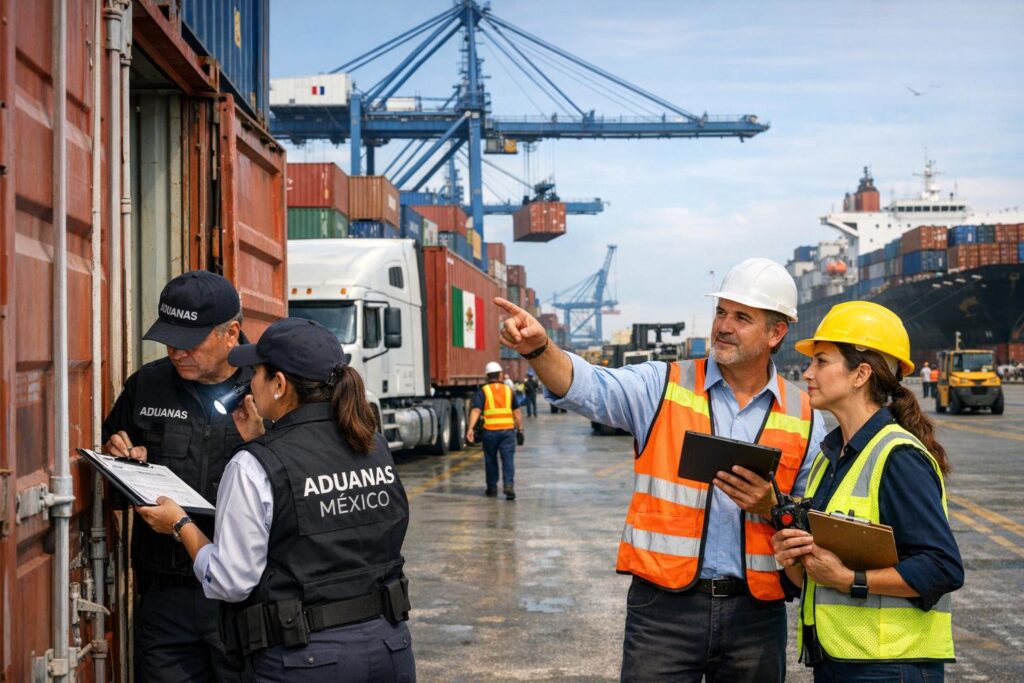
We coordinate with Mexican customs authorities to clear shipments efficiently. Our core functions include classification of goods under the Harmonized System (HS), calculation of duties and taxes, and submission of import/export declarations. We act as your legal representative before the Servicio de Administración Tributaria (SAT).
Regulatory Compliance and Risk Management
We stay updated on Mexican regulations and trade agreements to prevent delays and penalties. Our compliance services include verifying permits, certificates of origin, and health or safety approvals as required by Mexican standards.
Benefits of Hiring a Customs Broker in Mexican Trade
Time Savings and Efficient Clearance
We expedite customs procedures, reducing port dwell times. By leveraging our relationships and expertise, we secure priority treatment for urgent shipments.
Cost Optimization and Duty Management
We identify preferential tariff treatments under USMCA or other free trade agreements, lowering your duty bills. See our detailed guide on How Free Trade Zones Work in Mexico and Their Benefits to further optimize costs.
Mitigating Compliance Risks
Our proactive audits and checks help you avoid fines and seizure of goods. We provide continuous updates on regulatory changes affecting your products.
Customs Broker vs. Freight Forwarder in Mexico
Defining the Roles
We differentiate between a customs broker, authorized to clear shipments through customs, and a freight forwarder, responsible for transportation logistics. While forwarders handle freight consolidation and routing, brokers focus on compliance and duty payments.
Service Overlap and Collaboration
In many cases, freight forwarders and brokers collaborate closely. We coordinate documentation handoffs to ensure that your goods move seamlessly from port to final destination.
| Service | Customs Broker | Freight Forwarder |
| Customs Clearance | Yes | No (unless licensed) |
| Freight Consolidation | No | Yes |
| Regulatory Compliance | Yes | Limited |
| Global Network | Limited | Extensive |
For an in-depth comparison, refer to Roles and Responsibilities of a Freight Forwarder vs Customs Broker.
Requirements to Become a Customs Broker in Mexico
Licensing and Exam Process
We explain that prospective brokers must pass the SAT’s licensing examination, demonstrate knowledge of the Customs Law (Ley Aduanera), and fulfill moral and financial solvency requirements.
Continuing Education and Renewal
We participate in regular training sessions and SAT workshops to stay current. Licenses must be renewed periodically, and brokers must complete continuing education credits.
Costs and Fee Structures for Customs Brokerage
Flat Fees vs. Percentage-Based Fees
We outline common fee models: flat fees per shipment, fees based on invoice value, or per-line-item fees. Each structure has trade-offs between predictability and flexibility.
Additional Charges and Disbursements
- Handling fees
- Storage and demurrage
- Communication and documentation costs
How to Navigate Mexico’s Import Licensing Requirements
Identifying Product-Specific Permits
We guide you through health certificates, environmental permits, and other approvals required for specific HS codes. Visit How to Navigate Mexico’s Import Licensing Requirements for step-by-step instructions.
Managing Approval Timelines
We advise on average processing times, pre-submission checklists, and strategies to expedite government reviews.
Understanding Mexico’s Customs Valuation Rules
Transaction Value vs. Ad Valorem
We explain methods for customs valuation under Mexican law, focusing on transaction value as the primary method and secondary methods when needed.
Documentation and Record-Keeping
We maintain detailed records of invoices, contracts, and transfer pricing documentation to support valuation methodologies during audits.
How to Choose the Right Customs Broker for Your Business
Evaluating Experience and Industry Expertise
We assess brokers based on years of licensing, commodity specialization, and track record with SAT audits.
Technology and Communication
We look for brokers offering online tracking, electronic document submission, and real-time customs updates.
Customer Service and Support
We prioritize brokers with 24/7 support, clear escalation paths, and multilingual teams to serve international stakeholders.
Expert Citation: As Maria González, Senior Customs Compliance Advisor at Mexico Trade Council, states: “A skilled customs broker is essential to unlocking the full benefits of Mexico’s trade agreements while mitigating regulatory risks.”
Conclusion
We trust that this comprehensive overview clarifies the instrumental role customs brokers play in Mexican trade. By partnering with an experienced broker, we optimize clearance times, ensure compliance, and manage costs effectively. For further inquiries and tailored solutions, explore our services at brokermx.com.
FAQ
- What qualifications must a customs broker have in Mexico?
They must pass the SAT licensing exam, demonstrate financial solvency, and maintain ongoing training. - How does a customs broker help reduce import duties?
Brokers apply for preferential tariff treatments under trade agreements and optimize HS classifications. - Can a freight forwarder legally clear customs in Mexico?
Only if the forwarder holds a valid customs broker license. Otherwise, they must partner with a broker. - What are the typical fees for customs brokerage services?
Fees vary by shipment size and value and may include flat, percentage, or per-line-item charges. - How long does it take to clear customs with a broker?
Clearance can take from 24 hours to several days, depending on documentation completeness and permit approvals. - Are there digital platforms for tracking customs clearance?
Yes, many brokers offer web portals and mobile apps for real-time status updates. - What happens during a customs audit?
The broker coordinates documentation reviews, responds to SAT inquiries, and resolves valuation or classification disputes.
Ready to streamline your trade operations in Mexico? Contact our expert customs brokers today and ensure smooth, compliant, and cost-effective clearance. Visit brokermx.com to get started.