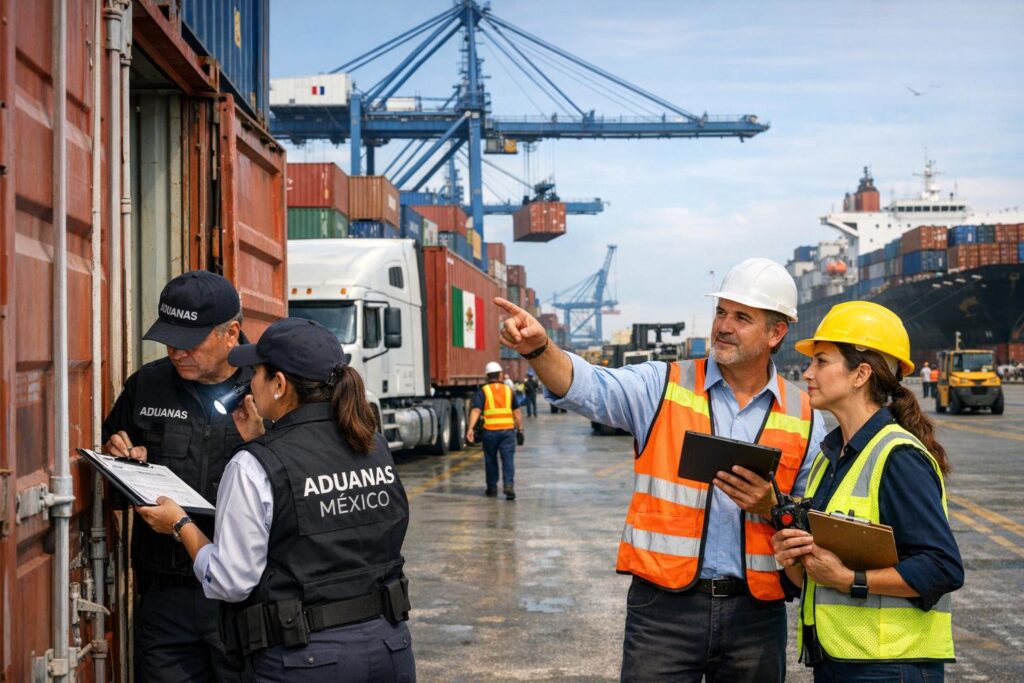
Mexico’s strategic location, extensive coastline, and robust manufacturing ecosystem have turned the country into a hotspot for global supply‑chain operations. At the heart of this competitive edge are the Free Trade Zones (FTZs), often called “maquiladoras,” which provide a unique blend of customs simplifications, tax incentives, and world‑class logistics. Whether you are a multinational corporation, a medium‑size exporter, or a start‑up looking to tap into North American markets, understanding how these zones work is essential for unlocking cost efficiencies and accelerating growth.
1. What Is a Free Trade Zone in Mexico?
A Free Trade Zone (FTZ) in Mexico is a designated geographic area where goods can be imported, stored, processed, and re‑exported with reduced or nullified customs duties, value‑added tax (VAT), and other fiscal obligations. The concept originated in the 1960s under the IMMEX (Industria Manufacturera, Maquiladora y de Servicios de Exportación) program and has since expanded to include a variety of industrial parks, logistics hubs, and special economic zones across the country.
2. Legal and Regulatory Framework
The operation of FTZs is governed by a set of federal laws and regulations, primarily:
- IMMEX Program Regulations – Established by the Ministry of Economy, they set eligibility criteria, reporting obligations, and incentive structures.
- Customs Law (Ley Aduanera) – Defines customs procedures, classification of goods, and the concept of “temporary importation.”
- Tax Code (Código Fiscal de la Federación) – Outlines VAT exemptions and income‑tax benefits for qualifying companies.
- State and Municipal Ordinances – Local authorities may add additional incentives such as reduced property taxes or workforce training subsidies.
3. Types of Free Trade Zones
Mexico offers several variants of FTZs, each designed for specific operational needs:
3.1 Maquiladora (Manufacturing) Zones
Focused on assembly, packaging, and light manufacturing for export. Companies enjoy duty‑free import of raw materials and components.
3.2 Logistics & Distribution Zones
Strategically located near major ports (Manzanillo, Lázaro Cárdenas), airports, and border crossings (Tijuana, Laredo). Ideal for warehousing, cross‑docking, and value‑added services.
3.3 Integrated Industrial Parks
Large, master‑planned developments that combine manufacturing, logistics, and corporate offices in one ecosystem, often backed by private‑public partnerships.
4. How the Process Works – From Entry to Export
Below is a step‑by‑step overview of the typical flow for a company operating inside an FTZ:
- Registration with the IMMEX Program: Submit a formal application, provide a business plan, and obtain the “IMMEX Permit.”
- Customs Declaration (Pedimento de Entrada): Goods are declared as “temporary importation” (tiempo de permanencia) with a zero‑rate duty.
- Production or Value‑Added Services: Within the zone, materials can be transformed, assembled, or packaged without incurring VAT.
- Inventory Management: Companies can hold inventory for an indefinite period as long as the goods are destined for export or re‑import under the same program.
- Export Declaration (Pedimento de Salida): When the finished product leaves the zone, an export customs declaration is filed, and the transaction is recorded for tax compliance.
- Compliance Reporting: Quarterly reports to the Ministry of Economy verify that at least 80% of production value is exported, maintaining eligibility for incentives.
5. Core Benefits of Operating in a Mexican FTZ
Businesses that locate operations inside an FTZ can enjoy a compelling set of advantages:
5.1 Financial Savings
- Duty‑Free Importation: Up to 100% reduction on import duties for raw materials and components.
- VAT Exemption: No value‑added tax on purchases and services used within the zone.
- Income‑Tax Deferral: Taxable profit can be deferred until the goods leave the zone, improving cash flow.
5.2 Operational Efficiency
- Streamlined customs clearance—often processed in under 24 hours.
- Flexibility to adjust inventory levels without incurring additional taxes.
- Access to world‑class infrastructure: rail, highways, and proximity to NAFTA/USMCA markets.
5.3 Competitive Market Access
- Direct access to the United States and Canada under the United States‑Mexico‑Canada Agreement (USMCA).
- Reduced lead times for North‑American customers, enhancing service levels.
- Opportunity to serve Latin American markets via Mexico’s extensive port network.
5.4 Workforce and Talent Development
- Government‑sponsored training programs that up‑skill local labor.
- Availability of a bilingual, technically proficient workforce.
6. Why Partner with a Professional Service Provider – The Broker MX Advantage
While the incentives are attractive, navigating the regulatory maze of an FTZ can be challenging, especially for foreign investors. This is where Broker MX adds measurable value:
- End‑to‑End Customs Management: From the initial “pedimento” to export clearance, Broker MX ensures compliance with the latest customs rulings.
- IMMEX Registration Support: Their expert team handles documentation, permits, and quarterly reporting, preventing costly penalties.
- Supply‑Chain Optimization: Leveraging a network of trusted carriers and warehousing partners, Broker MX reduces transit times and logistics costs.
- Tax Advisory: In‑depth knowledge of Mexican tax law guarantees you capture all eligible exemptions.
- Risk Mitigation: Real‑time monitoring of regulatory changes protects your operations from unexpected compliance issues.
Companies that have engaged Broker MX consistently report faster market entry, up to 20% reduction in total landed cost, and smoother interactions with customs authorities.
7. Step‑by‑Step Checklist to Launch Your FTZ Operation
Use this practical checklist to keep your project on track:
- Define your business model (manufacturing, logistics, or both).
- Identify a suitable FTZ location based on proximity to suppliers, customers, and transportation nodes.
- Engage a local consultant or Broker MX for feasibility analysis.
- Prepare and submit the IMMEX application (business plan, financial statements, environmental impact).
- Secure land or lease within an approved industrial park.
- Set up customs brokerage arrangements – Broker MX can act as your sole customs representative.
- Implement ERP & compliance software to track inventory movements and reporting deadlines.
- Train staff on customs procedures and safety standards.
- Launch production and begin quarterly reporting to retain benefits.
8. Real‑World Success Stories
8.1 Electronics Manufacturer – Reduced Cost by 18%
A U.S. electronics firm moved its final‑assembly line to a maquiladora in Baja California. By leveraging duty‑free importation of components and VAT exemption, the company cut its landed cost by 18% and reduced lead time to U.S. customers from 45 to 21 days. Broker MX coordinated customs clearance and ensured the company met the 80% export‑value requirement, preserving its incentives.
8.2 Agro‑Food Exporter – Accelerated Market Entry
A Canadian agribusiness established a processing hub in the state of Veracruz to add value to tropical fruits. The FTZ enabled the firm to import raw produce duty‑free, process it, and re‑export ready‑to‑eat products under a single customs declaration. With Broker MX’s logistics network, the company achieved a 30% faster delivery schedule to U.S. retailers.
9. Future Outlook – What’s Next for Mexican FTZs?
Mexico is continuously modernizing its FTZ ecosystem to stay competitive:
- Digital Customs Platform (VUCEM): Enhanced electronic filing reduces paperwork and speeds up clearance.
- Green Incentives: New sustainability credits are being introduced for companies that adopt low‑carbon manufacturing processes within FTZs.
- Expanded Services: Integration of value‑added services such as packaging, labeling, and testing under one roof is becoming standard in new industrial parks.
Staying ahead of these developments often requires a knowledgeable partner—another reason why aligning with Broker MX is a strategic move for long‑term success