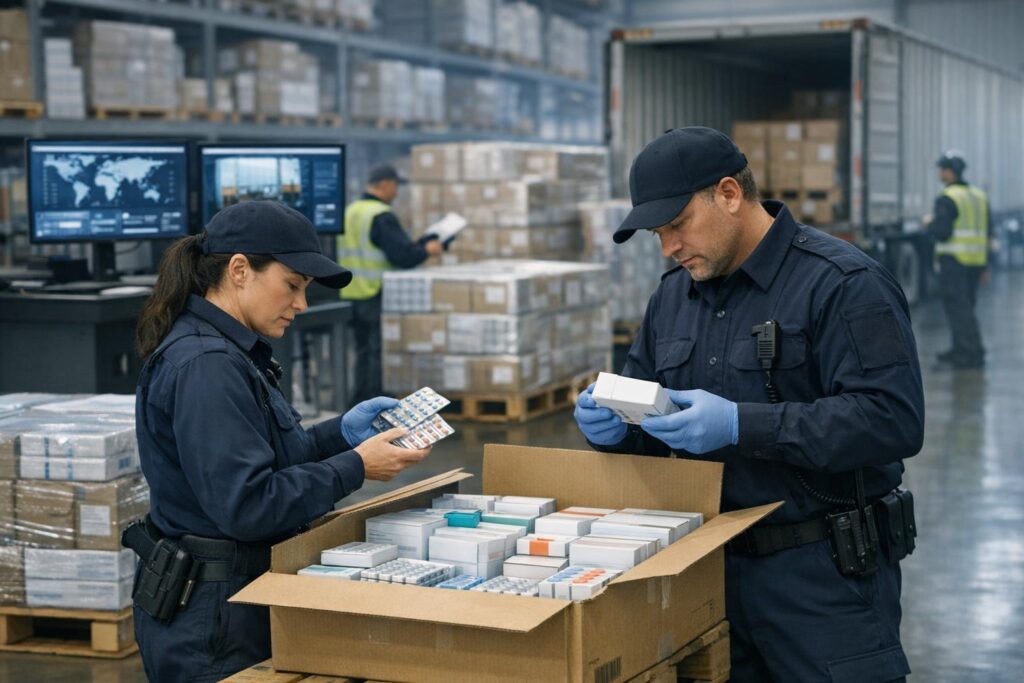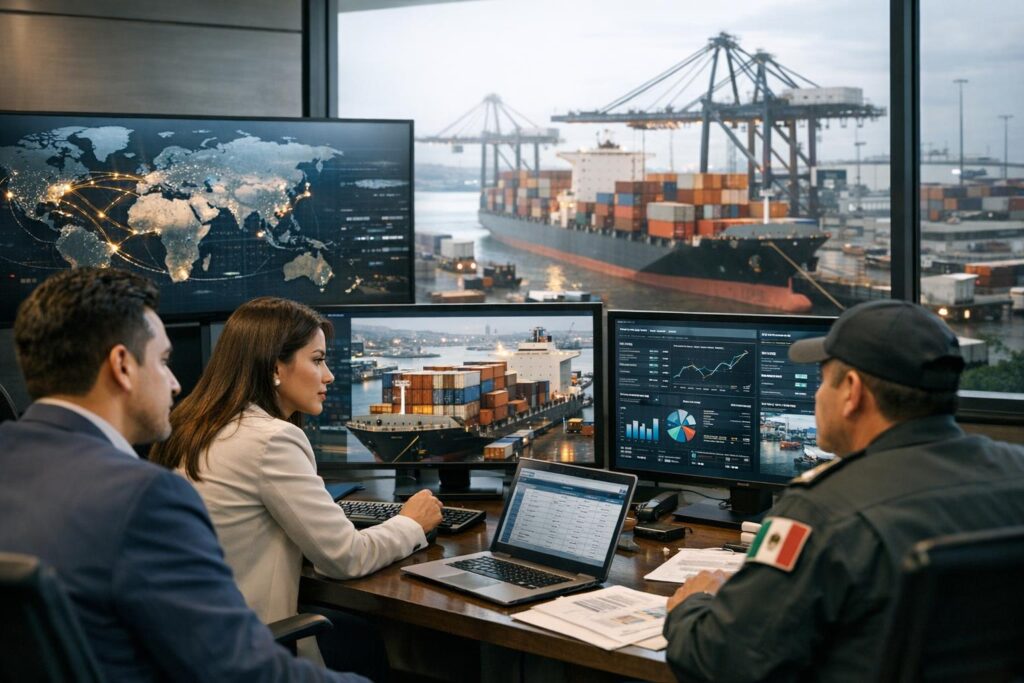
We encountered significant challenges when importing goods into Mexico, which prompted us to seek reliable solutions. Collaborating with BrokerMX has transformed our import processes, streamlining operations and reducing delays. In this article, we share our journey overcoming import hurdles with their expert support.
- Identified common import challenges faced by European companies in Mexico
- Explored how digital customs brokerage solutions improve efficiency
- Detailed the importance of data analytics and blockchain in compliance
- Analyzed logistics and transportation options for Mexican imports
- Presented practical strategies for managing supply chain risks and warehousing
- Shared expert insights from BrokerMX customs specialists
Common Import Challenges Faced by European Companies in Mexico
Understanding Complex Customs Regulations
Mexico’s customs regulations are detailed and constantly evolving. One obstacle we encountered was navigating specific compliance requirements, tariff classifications, and documentation. This complexity often led to delays and unexpected costs.
Managing Delays at Customs
Import clearance delays threatened our delivery schedules. Without a local expert, we struggled with paperwork errors and inconsistent customs inspections. BrokerMX helped us understand how proactive communication and precise documentation prevent these pitfalls.
Handling Language and Cultural Barriers
Conducting business in Mexico posed language challenges, complicating negotiations and clarifying requirements. Working with BrokerMX’s bilingual team bridged this gap, fostering clearer communication and smoother operations.
Embracing Digital Customs Brokerage for Improved Efficiency
Leveraging Blockchain Technology
BrokerMX introduced us to blockchain as a solution to enhance transparency and security. As one expert explained, “Implementing blockchain in customs brokerage reduces fraud and expedites verification processes,” a perspective we witnessed firsthand in our imports.
Using Mobile Applications for Real-Time Tracking
The availability of mobile applications allowed us to track shipments and status updates instantly. By adopting these tools mentioned in Mobile Applications for Tracking Mexican Imports, we gained better visibility and control over our supply chain.
Utilizing Data Analytics to Optimize Import Management
Predicting Possible Disruptions
Data analytics enabled us to identify patterns in clearance times and seasonal fluctuations. This insight allowed better planning and risk mitigation in line with strategies outlined in Utilizing Data Analytics for Efficient Import Management.
Enhancing Decision-Making Processes
Access to detailed analytics empowered us to make informed decisions on tariff classifications and inventory needs, reducing costs and improving turnaround times.
Exploring Transportation and Warehousing Options for Imports into Mexico
Choosing Suitable Transportation Methods
We evaluated various transportation choices—road, rail, and air—to align costs with delivery timelines. BrokerMX’s recommendations and the insights from Transportation Options for Goods Imported into Mexico proved invaluable in optimizing our logistics strategy.
Integrating Warehousing Solutions
Strategic warehousing allowed us to consolidate shipments and reduce handling times. BrokerMX helped identify facilities that comply with Mexican customs regulations, as explained in Warehousing Solutions for Imports into Mexico.
Managing Supply Chain Risks and Complying with Incoterms
Mitigating Risks in a Dynamic Environment
We faced risks including shipment delays, customs audits, and regulatory changes. BrokerMX guided us in implementing risk management strategies to minimize operational impact, referencing resources like Managing Supply Chain Risks in Mexican Imports.
Understanding and Applying Incoterms
Correct use of Incoterms was crucial for assigning responsibilities and costs. Through detailed explanations offered by BrokerMX and reflected in Understanding Incoterms in Mexican Trade, we gained clarity to avoid misunderstandings during import transactions.
In our experience, effective communication, leveraging technology, and expert consultancy were key pillars in overcoming import challenges. Collaborating closely with BrokerMX not only enhanced compliance but also improved operational efficiency and cost control. As we continue strengthening our presence in Mexico, we recognize the critical role of digital transformation in customs brokerage environments. We encourage other companies dealing with Mexican imports to explore innovative solutions described on BrokerMX to experience similar successes.
FAQ
What are the main customs challenges for European companies importing into Mexico?
Key challenges include understanding complex customs regulations, managing documentation, and facing inspection delays.
How does digital customs brokerage improve import processes?
It enhances transparency, speeds up clearance, and reduces errors through technologies like blockchain and mobile tracking apps.
Why is data analytics important in import management?
Data analytics help predict disruptions, optimize inventory, and improve compliance by offering actionable insights into trade patterns.
What transportation options exist for goods imported into Mexico?
Options include road, air, and rail transport, each suitable depending on timing, cost, and product type.
How do Incoterms affect import transactions?
Incoterms define the responsibilities and risk division between buyers and sellers, crucial for smooth transportation and customs clearance.
We invite readers to connect with BrokerMX’s expertise to navigate these challenges effectively and experience more streamlined import operations.