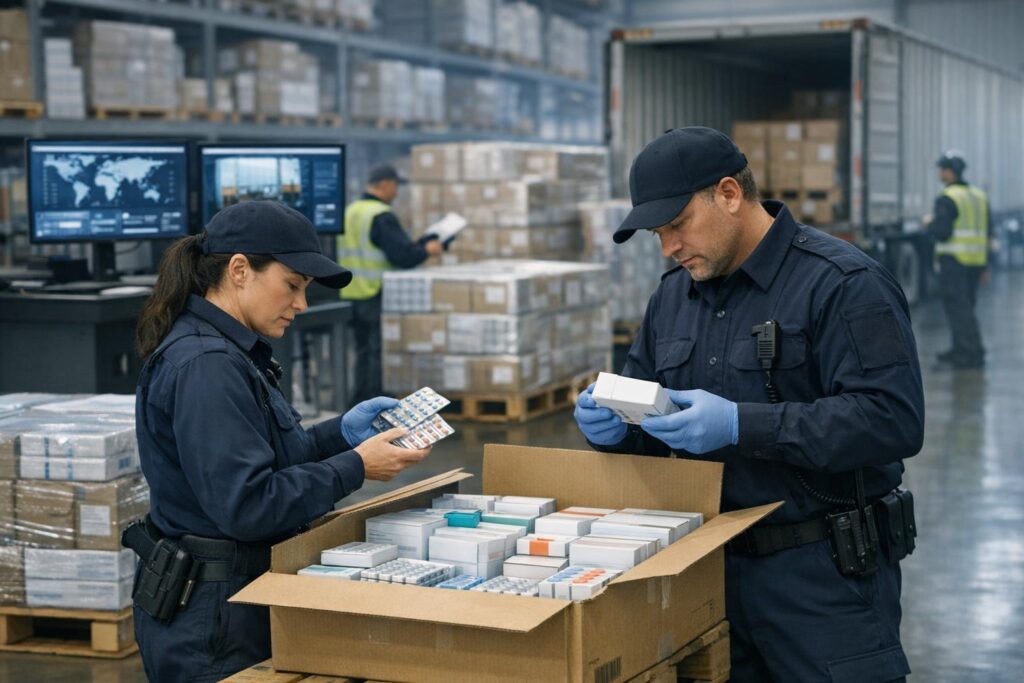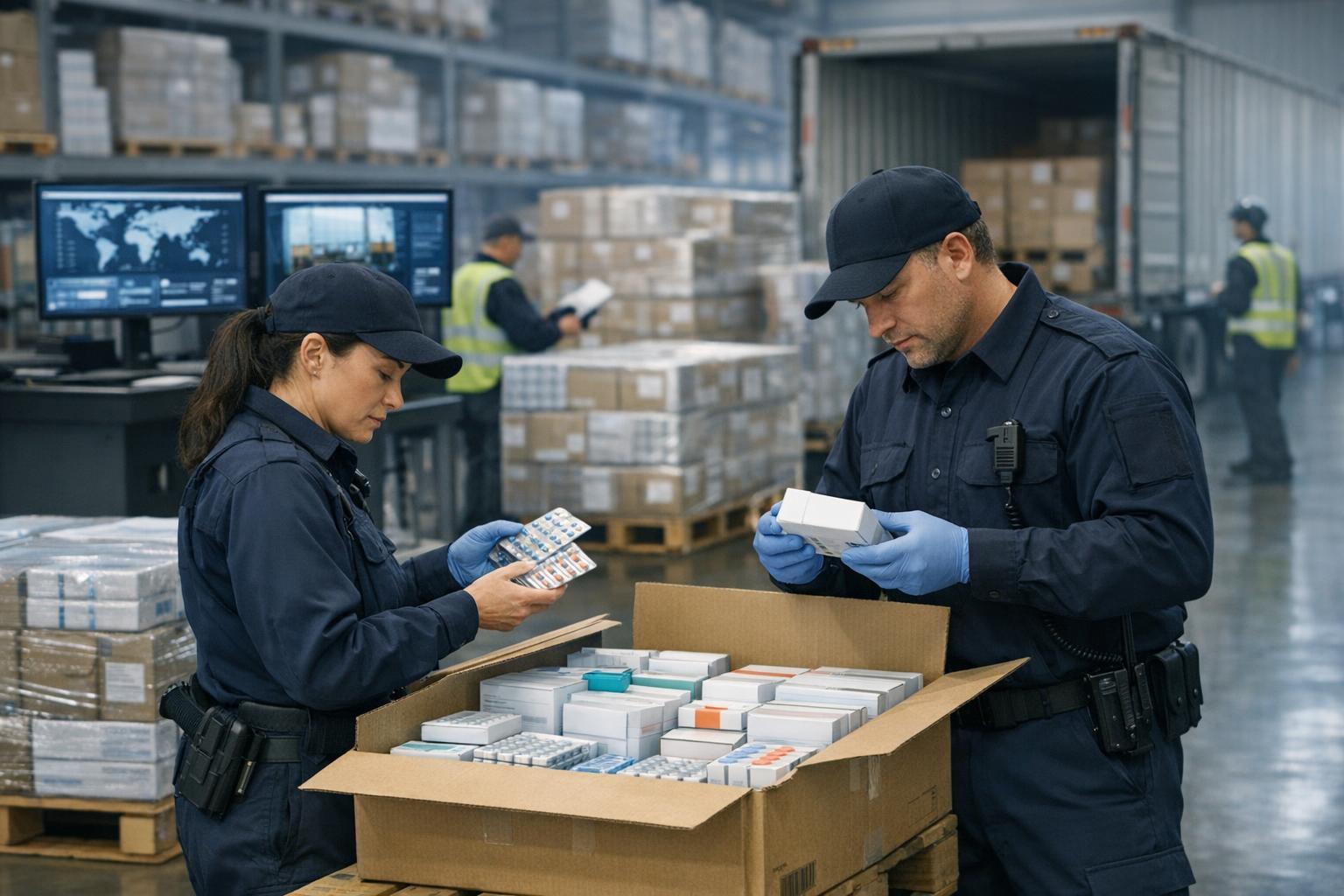
Importing pharmaceuticals into Mexico requires strict adherence to regulations and best practices. We understand the challenges and strive to make the process efficient and compliant.
- Complying with COFEPRIS regulations is essential for pharmaceutical imports in Mexico.
- Proper documentation and accurate classification streamline customs clearance.
- Collaborating with expert customs brokers reduces delays and risks.
- Understanding supply chain requirements ensures product integrity during transport.
- Implementing advanced tracking technologies improves visibility and compliance.
- Staying updated with Mexican customs policies guarantees smooth import operations.
- Planning ahead reduces unexpected costs and penalties related to pharmaceutical imports.
Understanding COFEPRIS Regulations for Pharmaceutical Imports
Key Regulatory Requirements
We must first recognize that COFEPRIS, Mexico’s Federal Commission for Protection against Sanitary Risks, oversees pharmaceutical imports. Compliance with their strict guidelines is mandatory. These include product registration, sanitary licenses, and import permits. Without these, shipments can face prolonged detention or rejection.
Registration and Permits Process
Registering products with COFEPRIS involves submitting detailed documentation such as manufacturing details, safety profiles, and clinical data. We also ensure proper permits are secured before shipment. Neglecting this leads to significant delays and expenses.
Essential Documentation for Smooth Customs Clearance
Invoice and Packing List Accuracy
High standards in documentation maintain import flow. Invoices must match product descriptions, quantities, and values declared. The packing list should clearly outline every item, aiding customs inspections. We carefully verify these documents to avoid discrepancies.
Certificates and Compliance Documentation
Certificates of analysis and origin are critical for pharmaceuticals. They prove product legitimacy and quality. In cases where specialized health certificates are needed, we coordinate with suppliers to obtain these timely.
Working with Customs Brokers Specialized in Pharmaceuticals
Benefits of Expert Brokers
Customs brokers with pharmaceutical experience understand regulatory nuances. We reduce clearance times and risk by ensuring all compliance points are met. This partnership is invaluable for navigating Mexico’s evolving import landscape.
BrokerMX’s Proven Strategies
BrokerMX stands out for facilitating efficient import processes, particularly for regulated goods like pharmaceuticals. Their approach includes real-time tracking, data analytics, and proactive communication. For example, their role in supporting international importers is documented in success stories like Overcoming Import Challenges: A European Company’s Experience with BrokerMX.
Maintaining Pharmaceutical Supply Chain Integrity During Transport
Temperature Control and Handling
Pharmaceuticals often require strict temperature environments. We work closely with logistics providers to ensure cold chain compliance throughout transit. Any deviation risks product efficacy.
Transport Options into Mexico
Choosing the right transport mode affects timing and cost. Air freight is common for urgent shipments, while ground transport suits larger volumes. BrokerMX’s insights into Transportation Options for Goods Imported into Mexico provide valuable guidance.
Leveraging Technology to Enhance Import Tracking and Compliance
Digital Tools and Analytics
Integrating digital platforms helps monitor shipments and compliance in real time. Data analytics identify bottlenecks and optimize customs operations, reducing risks and costs.
Blockchain and Future Trends
Experts agree that blockchain could revolutionize customs brokerage by enhancing transparency and security. As one pharmaceutical logistics expert notes, “The integration of blockchain can greatly improve trust and traceability across borders.” BrokerMX explores these opportunities in Blockchain in Customs Brokerage: Opportunities in Mexico.
Staying Updated on Mexican Customs and Health Policies
Regular Policy Reviews
We must commit to continuous learning about policy changes affecting pharmaceutical imports. Official COFEPRIS announcements and customs updates can impact procedures and requirements.
Engaging with Industry Experts and Resources
Participating in forums, webinars, and consultations keeps us informed. BrokerMX’s frequent updates and digital tools facilitate adapting swiftly to new regulations, as shown in Digital Tools for Streamlining Mexican Customs Processes.
Planning and Risk Management for Importing Pharmaceuticals
Forecasting and Inventory Management
We optimize import timing and stock levels to prevent shortages or excesses. This careful planning considers lead times affected by regulatory approvals and customs clearance.
Mitigating Risks and Managing Delays
Understanding common causes of delays, such as incomplete documentation or inspection requirements, allows us to put contingency plans in place. Working with experienced partners minimizes these risks.
Conclusion
In our collective experience, importing pharmaceuticals into Mexico demands meticulous regulatory compliance, precise documentation, and strategic partnerships. Collaborating with experts like BrokerMX ensures that we navigate this complex environment smoothly while safeguarding product integrity. We believe that leveraging technology and staying informed about evolving policies will continue to define best practices in this sector.
Frequently Asked Questions
- What permits are required to import pharmaceuticals into Mexico? Essential permits include COFEPRIS sanitary licenses and import authorizations.
- How long does pharmaceutical registration with COFEPRIS typically take? Registration times vary but can take several months depending on product complexity.
- Can pharmaceuticals be imported without a customs broker? While possible, using a specialized broker reduces risk of errors and clearance delays.
- What are the main risks in transporting pharmaceuticals to Mexico? Temperature excursions and documentation errors are common risks affecting product quality and clearance.
- How can technology improve pharmaceutical import processes? Technologies like tracking systems, data analytics, and blockchain enhance transparency, compliance, and efficiency.
If you are looking to optimize your pharmaceutical imports into Mexico, we recommend consulting professionals with sector-specific expertise. For further insights on streamlining supply chains, we suggest reviewing BrokerMX’s Role in a Canadian Importer’s Success to see practical examples of these best practices in action.
Feel free to reach out to us or explore resources at BrokerMX to ensure your pharmaceutical imports meet all regulatory demands efficiently.