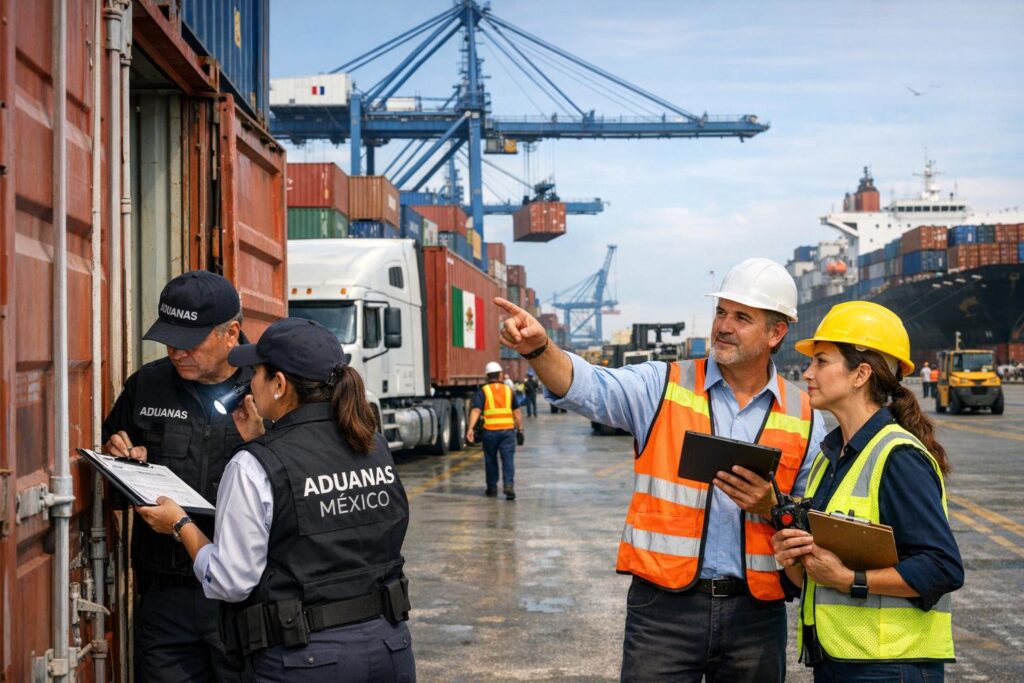
We see blockchain technology as a transformative force for customs brokerage in Mexico. It offers new opportunities to enhance transparency, efficiency, and security throughout import and export processes. In this article, we explore how blockchain can reshape Mexican customs operations and the benefits it brings to all stakeholders.
- Blockchain ensures immutable and transparent record-keeping for customs transactions.
- It enables real-time tracking and verification of shipments, reducing fraud and delays.
- Smart contracts automate compliance checks and tariff applications.
- The technology supports secure and reliable data sharing among government agencies and brokers.
- Implementation barriers exist but the long-term gains are substantial in cost reduction and speed.
- Regulatory alignment in Mexico will be critical to harness blockchain’s full potential.
- Integrating blockchain with digital customs tools creates a more streamlined trade ecosystem.
How Blockchain Enhances Transparency in Mexican Customs
Immutable Records for Every Transaction
By utilizing blockchain, we can maintain a secure and tamper-proof ledger of every customs declaration, shipment status, and tariff application. This means that all parties involved—customs officials, brokers, and importers—have access to a single source of truth. The technology eliminates discrepancies and reduces the risk of corruption or errors that typically slow down customs clearance.
Transparency from Shipments to Duty Payments
With blockchain, each step—from cargo arrival at ports to customs duty payment—is recorded transparently. This visibility helps in audits and compliance reviews, making it easier to trace the movement of goods and identify bottlenecks early. Ultimately, transparency fosters trust in the entire customs process across Mexico.
Opportunities for Automation Using Smart Contracts
Streamlining Compliance Checks
We can leverage smart contracts on blockchain platforms to automate routine compliance checks. These self-executing contracts verify tariff codes, product classifications, and trade agreements like USMCA instantly, reducing manual errors and accelerating approvals. Smart contracts remove the need for lengthy paperwork and manual verifications, cutting down on time and operational costs.
Automated Payments and Settlements
Smart contracts can facilitate automatic release of payments once predefined customs conditions are met. This innovation simplifies financial settlements between importers, brokers, and authorities. For Mexican customs brokerage firms, this means faster cash flow and less administrative burden.
Blockchain’s Role in Enhancing Security for Imports and Exports
Preventing Fraud and Counterfeiting
Blockchain’s decentralized and encrypted nature makes it extremely difficult to alter documents or counterfeit shipment data. Customs brokers in Mexico can use this feature to verify the authenticity of trade documents and product origins. Such security measures protect Mexican trade interests, especially for high-value or sensitive goods.
Secure Data Sharing Across Entities
Our experience shows that blockchain enables secure data sharing between customs agencies, freight forwarders, and importers without compromising privacy. This capability is vital for coordination across different stakeholders while maintaining compliance with data protection regulations.
Challenges to Blockchain Adoption in Mexico’s Customs Sector
Regulatory Framework and Standards
Implementing blockchain requires clear regulatory guidelines from Mexican authorities. We recognize the need for nationally consistent standards to ensure interoperability between customs systems and blockchain networks. Addressing legal ambiguities around digital signatures and smart contract validity will be essential.
Infrastructure and Integration
To fully leverage blockchain, we must upgrade current customs technology infrastructure and integrate it with legacy systems. Training customs brokers and government officials on blockchain operations and benefits is also crucial for smooth adoption.
Integrating Blockchain with Digital Customs Solutions in Mexico
Complementing Existing E-Customs Platforms
Blockchain is not a standalone solution but thrives when combined with other digital customs tools. For example, platforms discussed in The Future of E-Customs in Mexico illustrate how digitalization improves process efficiency. Blockchain adds an additional layer of trust and automation to these systems.
Enhancing Supply Chain Transparency
We can connect blockchain with transportation and warehousing solutions to create end-to-end visibility in imports. Referencing Transportation Options for Goods Imported into Mexico and Warehousing Solutions for Imports into Mexico, blockchain data can verify custody stages, reducing theft and loss risks.
A supply chain expert once told us, “Blockchain’s greatest potential in customs brokerage lies in its ability to create a shared, trustworthy ledger where every participant has visibility and accountability, minimizing disputes and accelerating trade.” This insight reinforces the strategic value of advancing blockchain for Mexican trade.
Economic and Competitive Benefits for Mexican Customs Brokers
Reducing Costs and Delays
We see blockchain cutting costs by automating paperwork and reducing customs clearance times. Lower expenses mean that customs brokers can offer more competitive services, helping Mexican companies better compete globally.
Building Reputation through Innovation
Early adoption of blockchain technology positions Mexican customs brokers as forward-thinking leaders in logistics and trade facilitation. Innovation drives reputation, attracting more clients who value security and efficiency.
Future Outlook: Blockchain as a Catalyst for Mexican Trade Growth
Supporting Mexico’s Export and Import Expansion
As Mexico’s trade volumes grow, blockchain will help scale customs operations without compromising speed or security. We expect blockchain adoption to contribute significantly to Mexico’s ambition of becoming a global trade hub.
Collaboration between Private and Public Sectors
We advocate for deeper collaboration between customs brokers, government agencies, and technology providers to develop blockchain pilots and frameworks. Public-private partnerships will accelerate adoption and ensure the technology meets practical needs.
In conclusion, we believe blockchain presents a tremendous opportunity for customs brokerage in Mexico. Embracing this technology will enhance transparency, security, and efficiency across customs operations, ultimately benefiting the entire trade ecosystem. As we continue to integrate innovative solutions, resources like Digital Tools for Streamlining Mexican Customs Processes will be key in navigating this transformation.
Frequently Asked Questions
- What is blockchain in the context of customs brokerage?
Blockchain is a decentralized digital ledger that securely records and verifies customs transactions, improving transparency and automation. - How does blockchain improve customs clearance times?
It automates compliance checks and payments through smart contracts, reducing manual delays and paperwork. - Is blockchain widely used in Mexican customs today?
Currently, blockchain adoption is limited but growing interest and pilot projects indicate future integration within customs systems. - What challenges exist for blockchain implementation in Mexico?
Key challenges include regulatory clarity, infrastructure upgrades, and training for stakeholders involved. - Can blockchain help with supply chain visibility?
Yes, blockchain tracks shipments securely from origin to delivery, enhancing supply chain transparency in Mexico.
If you want to explore more about customs innovations and trade facilitation in Mexico, visit BrokerMX. Together, we can navigate the future of customs brokerage powered by blockchain.