We understand the complexities involved in transporting goods imported into Mexico, and we are here to guide you through the most efficient and reliable transportation options available. Our goal is to help you streamline your logistics and make informed decisions to optimize your import operations nationwide.
Here is an overview of the key transportation methods and considerations for importing goods into Mexico:
- Various transportation modes include road, rail, air, and sea, each with unique benefits depending on cargo type and urgency.
- Choosing the right freight carrier and understanding Mexico’s infrastructure are essential to ensure timely deliveries.
- Compliance with customs regulations and tariffs directly impacts transportation choices and costs.
- Intermodal transportation solutions are increasingly popular to leverage the strengths of multiple modes.
- Advanced tracking technologies improve supply chain visibility and security for imports within Mexico.
- Partnering with experienced freight forwarders helps navigate complex logistics and regulatory requirements.
- Environmental and cost factors are shaping the future trends of goods transportation in Mexico.
Road Freight Services in Mexico for Imported Goods
Flexibility and Reach Across the Country
Road transportation is the backbone of Mexico’s import logistics. Thanks to an extensive network of highways and roads, trucks can deliver goods to almost every region across the country. We often choose road freight when speed and door-to-door delivery are priorities.
Types of Trucking Available
We commonly use full truckload (FTL) and less-than-truckload (LTL) services depending on shipment size. Refrigerated trucks enable us to transport perishable goods safely, while specialized flatbeds handle oversized cargo.
Challenges and Considerations
While convenient, road freight can face delays due to traffic congestion or border inspections. We carefully plan routes and select trusted carriers to minimize risks and maintain shipment integrity.
Utilizing Rail Freight for Imports
Cost-Effective and Efficient for Bulk Shipments
Rail transport offers a competitive alternative for moving large volumes of goods from border entry points or ports into the interior of Mexico. It reduces costs and carbon footprint compared to road transport, especially for heavy or bulk commodities.
Integration with Ports and Customs
Leveraging rail links at important hubs such as Veracruz and Manzanillo enhances import flows. We coordinate rail schedules with customs clearance to optimize transit times and reduce storage fees.
Limitations to Consider
Rail access is limited to certain routes, which may require subsequent road delivery to final destinations. Planning intermodal transportation strategies is crucial for seamless delivery.
Air Freight Advantages for Time-Sensitive Imports
Fastest Mode for High-Value or Perishable Goods
When urgency is key, air freight is our preferred option for transporting imports. Airports in Mexico City, Guadalajara, and Monterrey serve as major gateways for international air cargo.
The Cost Factor
Air freight typically carries higher rates than road or rail, so we recommend it primarily for shipments that demand speed or have high added value. We also take advantage of consolidated air shipments to optimize costs.
Security and Compliance
Strict security protocols and customs inspections at airports demand detailed documentation and coordination. Working with reliable freight forwarders enables smooth handling of these formalities.
Shipping via Sea: Ideal for Large Volumes and Heavy Cargo
Main Ports Serving Imports into Mexico
Sea freight is essential for importing oversized or heavy commodities. Ports like Lázaro Cárdenas, Veracruz, and Manzanillo are critical hubs we utilize for efficient container handling and distribution.
Container Options and Handling
We select between standard, refrigerated, and hazardous material containers based on the cargo type. Coordinating directly with port operators and customs ensures quick unloading and processing.
Transit Times and Planning
Sea transport is slower but cost-effective for international imports. We carefully schedule shipments to align with market demands and warehouse availability, often complementing other transport modes.
Intermodal Transportation Solutions
Combining Strengths of Different Modes
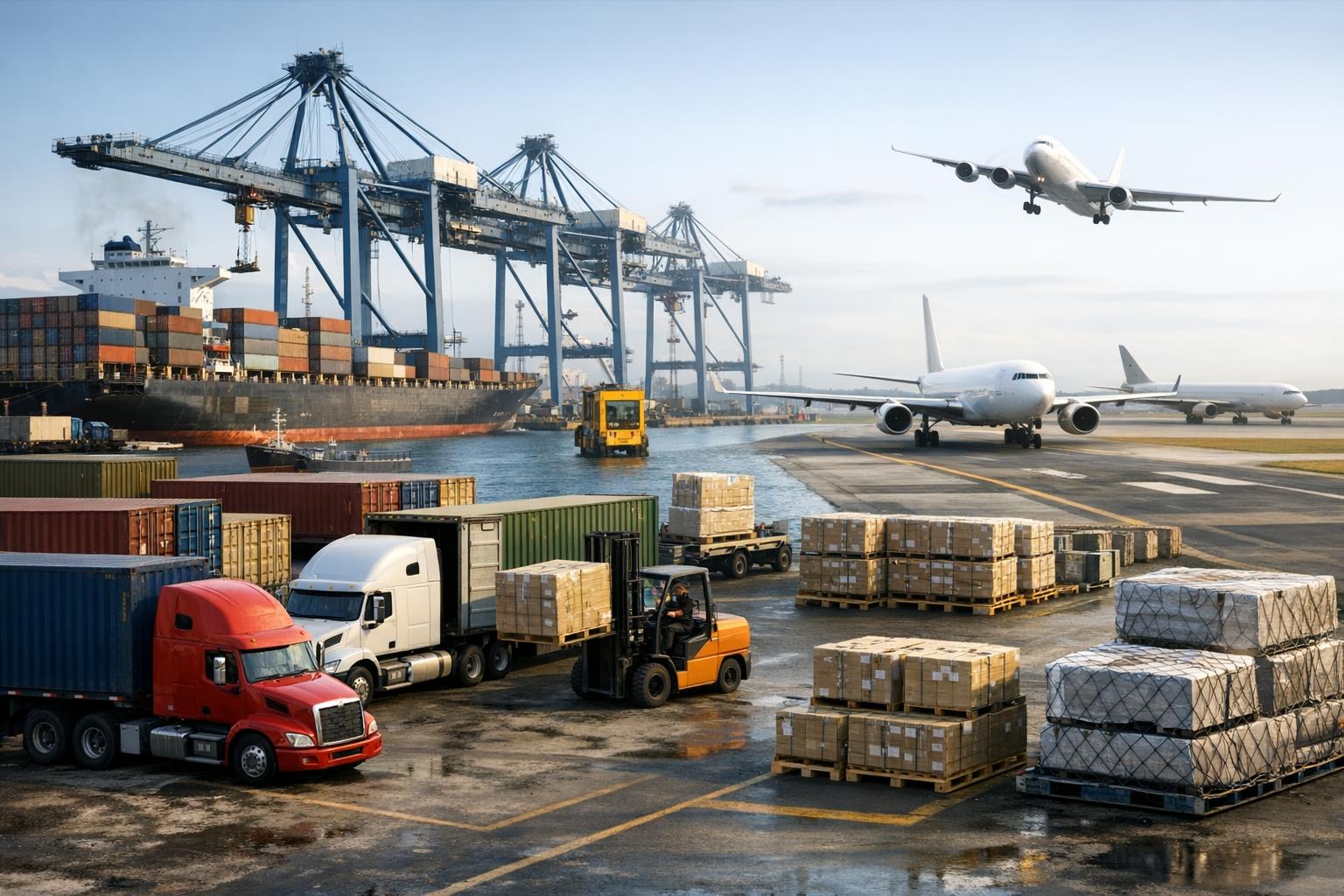
We optimize import logistics by integrating road, rail, air, and sea transport. This approach enhances flexibility, reduces costs, and improves delivery reliability.
Examples of Intermodal Usage
A container may arrive by ship at Manzanillo, travel by rail to Guadalajara, then be delivered by truck to a local warehouse. This seamless connectivity requires precision in scheduling and documentation.
Customs Compliance and Its Impact on Transportation
Understanding Regulatory Requirements
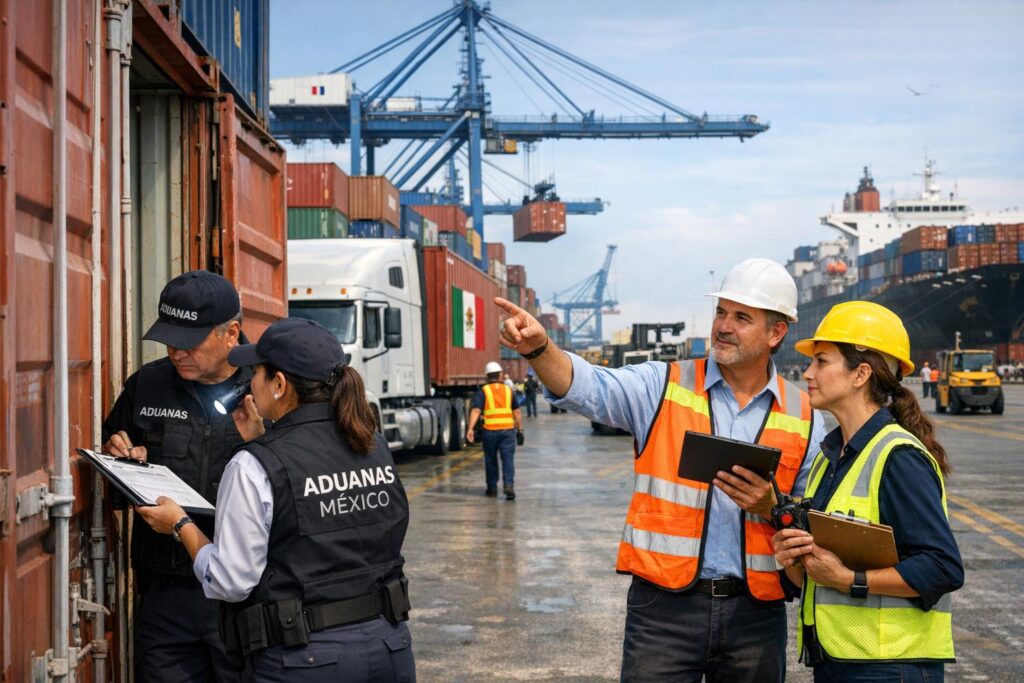
Compliance with Mexico’s customs regulations directly affects our transportation strategies. Incorrect paperwork or misclassification can cause delays and fines.
Importance of Tariff Classification and USMCA
Proper tariff classifications and leveraging trade agreements like USMCA help us reduce duties and avoid unexpected costs. For further guidance, we recommend reading Understanding Tariff Classifications Under USMCA.
Technology and Tracking Innovations in Import Transportation
Enhancing Visibility Across the Supply Chain
We use GPS tracking, RFID, and real-time data platforms to monitor shipments continuously. This transparency enables proactive responses to potential issues and enhances customer satisfaction.
Security and Risk Management
Modern tracking helps us secure imports against theft, damage, or delays, fostering trust with our clients and partners.
Sustainability Trends in Import Transportation
Green Logistics Initiatives
We are increasingly adopting eco-friendly practices by favoring low-emission transport modes and optimizing route planning to reduce the carbon footprint.
Future Outlook
As environmental regulations tighten, sustainable transportation will become a core element in managing imports within Mexico.
As logistics professionals, we recognize that selecting the right transportation option for imported goods involves balancing cost, speed, reliability, and compliance. This decision impacts the overall success of your supply chain operations across Mexico. By staying informed about infrastructure, regulations, and technologies, we confidently support seamless import management. For more detailed logistics solutions, we encourage exploring our resources at Choosing the Right Freight Forwarder for Mexican Imports and Warehousing Solutions for Imports into Mexico.
In the words of logistics expert Carlos Salazar, “A well-integrated transportation strategy is the cornerstone of efficient import operations, minimizing delays while optimizing cost and compliance.”
Frequently Asked Questions
- What is the fastest transportation option for imported goods into Mexico?
Air freight is the fastest mode, ideal for high-value or perishable items requiring quick delivery. - How does customs compliance affect transportation choices?
Accurate documentation and tariff classification are crucial to avoid delays and fines, impacting which transportation mode may be more feasible. - Can I combine different transportation modes for my imports?
Yes, intermodal transport is common to optimize cost, speed, and reach throughout Mexico. - What are the main ports used for sea freight imports into Mexico?
Key ports include Manzanillo, Veracruz, and Lázaro Cárdenas, serving as entry points for sea cargo. - Are there environmentally friendly options for transporting imports?
We are shifting toward green logistics by prioritizing rail and optimizing routes to reduce emissions and the carbon footprint.