We understand the complexities involved in managing supply chain risks when it comes to Mexican imports. Navigating these challenges is crucial to maintaining smooth operations and protecting your business interests. This article explores key strategies to anticipate and mitigate risks tied to imports across Mexico.
- Identifying major supply chain risks impacting Mexican imports.
- Implementing risk management frameworks tailored for importers in Mexico.
- Assessing regulatory compliance and customs procedures to avoid delays.
- Leveraging technology and data for supply chain visibility.
- Establishing strong partnerships with freight forwarders and customs brokers.
- Planning for disruptions caused by global trade policies and geopolitical factors.
- Adopting best practices for inventory and demand forecasting in Mexican markets.
Common Supply Chain Risks in Mexican Imports
Understanding Mexico’s unique import environment
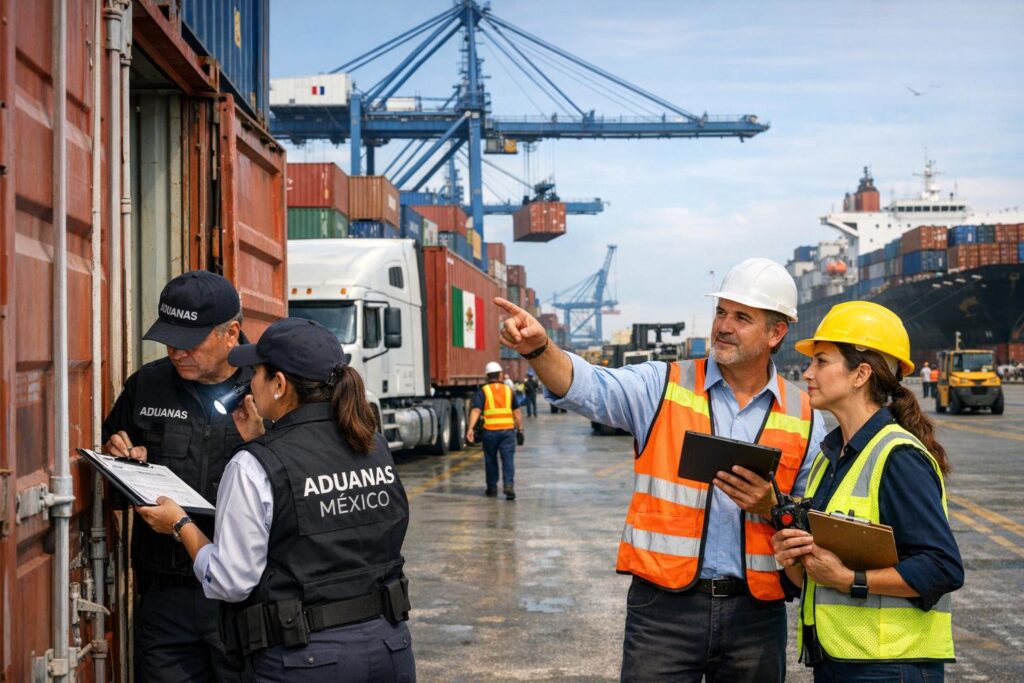
We recognize that Mexico’s import landscape is affected by a range of risks, from customs delays to transportation bottlenecks. Delays at border crossings such as Laredo or Veracruz can impact schedules significantly. Knowing these pain points helps us proactively address them.
Regulatory and Compliance Challenges
Ensuring compliance with Mexico’s customs regulations and tariff classifications under USMCA is non-negotiable. Misclassification can lead to fines, penalties, or shipment holds. As one expert explains, the difference between a compliant declaration and a misstep can heavily impact cost and timing.
Strategies to Mitigate Supply Chain Disruptions
Building robust risk management frameworks
We focus on identifying potential risks across procurement, transportation, and warehousing to develop contingency plans. This involves scenario planning and establishing clear communication channels.
Technology’s role in supply chain transparency
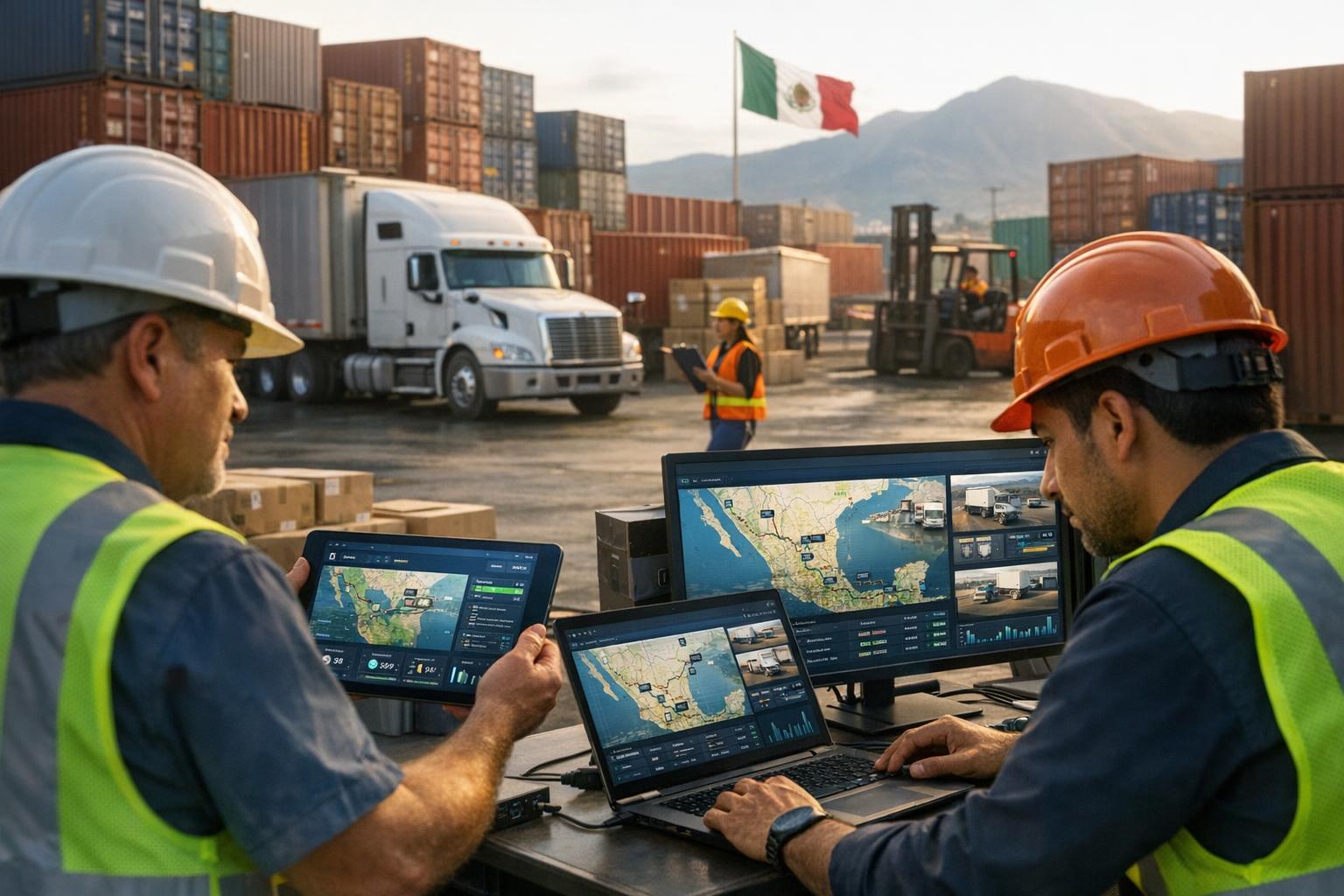
Real-time tracking tools and data integration platforms provide the visibility needed to anticipate delays or disruptions. Leveraging such technology allows us to respond quickly when problems arise.
Importance of Choosing the Right Freight Forwarder and Customs Broker
Partnering with experts for seamless imports
A reliable freight forwarder is invaluable for navigating complex logistics and customs clearance. We recommend reviewing our guide on Choosing the Right Freight Forwarder for Mexican Imports to understand the criteria for selecting trusted partners.
Compliance support from customs brokers
Customs brokers keep us informed about evolving regulations, helping avoid costly mistakes ahead of shipment arrivals. This partnership is critical in the current dynamic trade environment.
Impact of Global Trade Policies on Mexican Imports
How tariffs and agreements shape import risks
Trade policies, including tariff changes and enforcement, can unpredictably impact costs and supply availability. Staying informed about these shifts helps us adapt procurement and distribution strategies accordingly.
Leveraging trade agreements for cost advantages
We utilize instruments such as the USMCA to secure tariff benefits. For detailed insights, refer to Leveraging Free Trade Agreements for Cost-Effective Imports.
Best Practices for Inventory Planning and Demand Forecasting
Aligning inventory levels with market fluctuations
We continuously monitor market demand and adjust inventory to buffer against supply shocks. This proactive approach reduces the risk of stockouts or excess holding costs.
Scenario-based demand forecasting
Using data-driven models, we simulate various supply chain disruptions to predict their impact on demand. This method allows us to refine sourcing and distribution plans.
Conclusion
Managing supply chain risks in Mexican imports demands a comprehensive and flexible approach. We believe that combining regulatory expertise, technology, and strong partnerships creates resilience. Embedding these strategies ensures our operations stay agile and compliant despite uncertainties. For more insights on import management and regulations, we encourage visiting brokermx.com.
Frequently Asked Questions
- What are the primary risks in importing goods into Mexico? Customs delays, compliance errors, transportation disruptions, and changing trade policies are key risks.
- How can we improve visibility in the supply chain? Employing real-time tracking systems and integrated data platforms enhances transparency.
- What role do freight forwarders play in risk mitigation? They coordinate logistics and ensure regulatory compliance, minimizing delays and errors.
- How does USMCA affect import duties and tariffs? USMCA provides preferential tariff treatment when rules of origin are met, lowering costs.
- What are the best practices to avoid customs penalties? Accurate tariff classification, documentation, and continuous regulatory updates are essential.
If you want to safeguard your import operations and grow confidently within Mexico’s trade environment, we invite you to explore our detailed resources and expert advice.