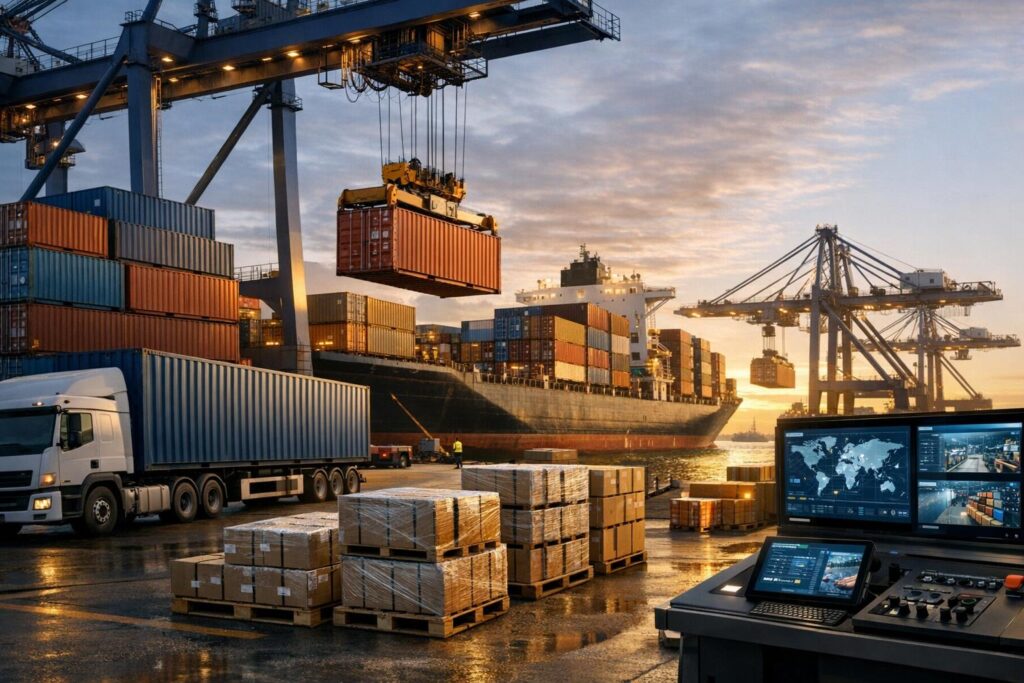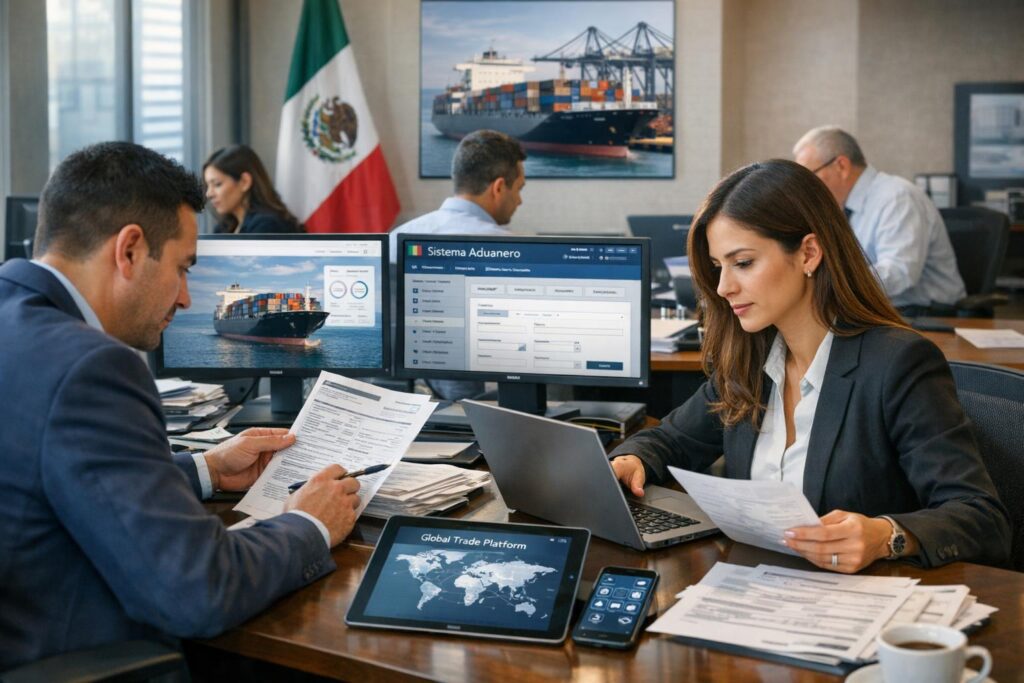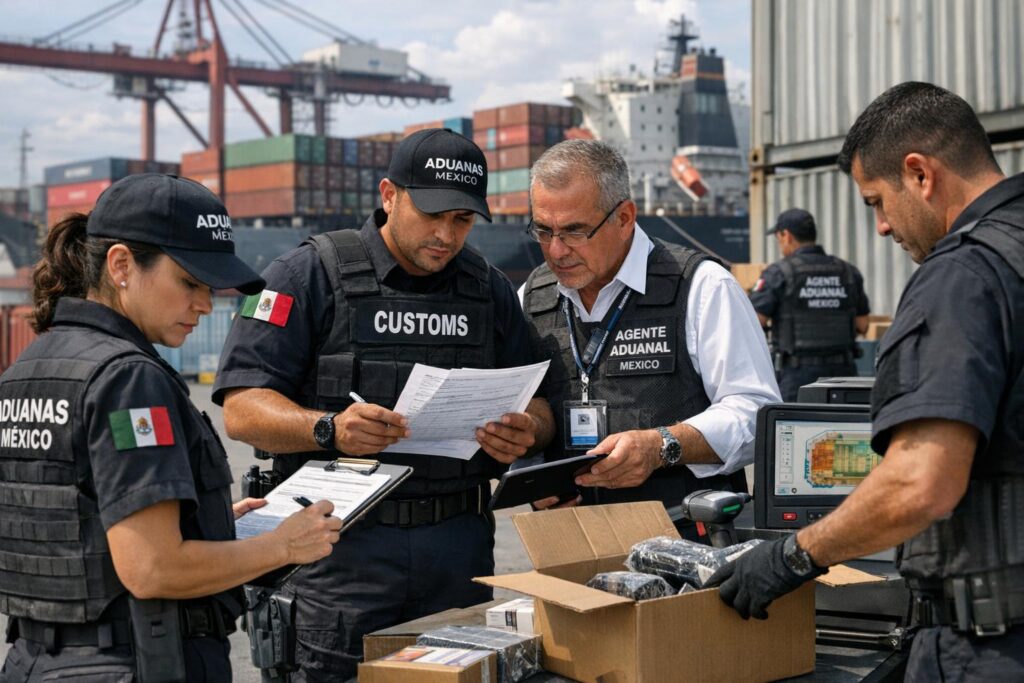
Leveraging free trade agreements (FTAs) allows us to optimize costs and streamline import processes nationwide. We focus on how to use these agreements effectively for cost-efficient imports in Mexico.
Our overview highlights key aspects of FTAs as tools to reduce tariffs, improve supply chain resilience, and enhance market access.
- FTAs significantly reduce or eliminate tariffs, lowering the cost of imported goods.
- Rules of origin are essential to qualify for preferential tariff treatment under FTAs.
- FTAs boost supply chain stability by enabling reliable sourcing from partner countries.
- They promote a predictable and transparent trading environment.
- FTAs often expand beyond tariffs to include intellectual property rights and investment protections.
- Cost savings and competitive advantages are immediate benefits for importers.
- Proper documentation and compliance are crucial to maximize FTA benefits.
Understanding Tariff Reductions and Cost Savings
How Tariff Elimination Lowers Import Costs
One of the most direct advantages of FTAs is the reduction or elimination of import tariffs. When tariffs are reduced, the landed cost of imported goods decreases, allowing us as importers to offer more competitive prices or increase margins. Evidence shows that firms using FTAs can reduce tariffs by approximately 12 percentage points, which translates into substantial cost savings.
Balancing Tariff Savings with Other Costs
Although FTAs reduce tariffs, import prices may sometimes rise due to changes in sourcing or compliance costs. However, research indicates that costs associated with complying with rules of origin (RoO) do not significantly increase prices, meaning the tariff reduction largely outweighs any additional expenses.
Navigating Rules of Origin for Maximum Benefit
What Are Rules of Origin?
Rules of origin determine whether a product qualifies for preferential tariff treatment under an FTA by defining the criteria indicating that a good originates from a partner country. These rules ensure that only goods substantially produced or transformed in the FTA partner country benefit from tariff reductions.
Compliance and Documentation
To leverage FTAs effectively, we must ensure products meet RoO requirements and submit proper certification documents. Failure to comply may result in the loss of tariff benefits or customs delays. Collaborating closely with suppliers and customs brokers helps in maintaining full compliance.
Optimizing Supply Chain Strategies through FTAs
Diversifying and Localizing Sourcing
FTAs enable us to diversify our sourcing by allowing access to goods from multiple partner countries with reduced tariffs. For companies operating nationwide, strategically shifting procurement to FTA partners can create more resilient and cost-effective supply chains.
Streamlining Logistics and Customs Procedures
In addition to tariff benefits, FTAs simplify customs procedures, reducing administrative burdens and lead times. This predictability in trade processes improves inventory management and reduces working capital tied up in transit or customs clearance.
Expanding Market Access and Competitive Advantage
Access to Larger Markets
FTAs open new export opportunities by lowering trade barriers and aligning standards. For businesses focused on imports, these agreements also provide indirect benefits by fostering stronger trade relationships and more competitive pricing on inputs.
Intellectual Property and Investment Guarantees
Modern FTAs often protect intellectual property rights and establish clearer investment rules. These provisions create a safer environment for innovation and foreign direct investment, which benefits companies importing technology-intensive or brand-sensitive products.
Practical Steps to Leverage FTAs Nationwide
Identify Relevant FTAs and Eligible Products
First, we must identify which FTAs apply to our supply chain and determine which products qualify. Government resources and trade agencies provide updated lists and guidelines to verify eligibility.
Implement Supplier Qualification Processes
Engaging suppliers in FTA compliance is crucial. Maintaining comprehensive sourcing data and certifications ensures that our products meet RoO criteria consistently and take full advantage of tariff reductions.
Use Expert Support for Compliance and Logistics
Consulting with customs brokers and trade experts can simplify managing complex international trade rules. Their assistance ensures smoother customs clearance and maximizes FTA benefits across multiple operational areas.
Continuously Update Trade Strategy
As FTAs evolve and new agreements emerge, continuously reviewing sourcing and import strategies is necessary. Staying informed allows us to capitalize on new opportunities and navigate changing regulations effectively.
An expert once noted, “The tariff effect of FTAs is a significant source of welfare improvement for both importing and exporting countries, realized through reduced costs and more efficient trade flows.” This reinforces the value we gain by actively utilizing FTAs.
For specific industry examples, exploring classifications and regulatory compliance can be valuable — check our detailed guides such as Medical Equipment Imports, Food and Beverage Imports, and Importing Electronics into Mexico.
Conclusion
We believe strategically leveraging free trade agreements strengthens our import operations across Mexico by reducing costs, enhancing supply chain resilience, and expanding market opportunities. Staying informed and compliant enables us to fully harness these agreements’ benefits. For those navigating complex import regulations, BrokerMX provides critical resources and expertise to support success nationwide.
Frequently Asked Questions
- What products qualify for tariff reductions under free trade agreements?
Products that meet the rules of origin specified in each FTA qualify for preferential tariff treatment. Each agreement has detailed criteria on product origin and transformation. - How do free trade agreements affect supply chain costs?
FTAs reduce tariffs and simplify customs procedures, lowering import costs and transit delays, which leads to more efficient supply chains. - Are there risks in using free trade agreements?
Risks include non-compliance with rules of origin and documentation requirements, which may lead to penalties or loss of tariff benefits. - Can we use multiple FTAs for the same product?
Generally, a product can benefit from one FTA at a time based on its origin, but companies can explore the best agreement depending on sourcing locations. - How often do trade agreements change, and how do we stay updated?
FTAs can be renegotiated or updated periodically. Relying on government trade portals and consulting with experts helps keep trade strategies current.
If you want to enhance your import strategy by leveraging free trade agreements effectively, start by assessing your supply chain and ensuring compliance with rules of origin. Reach out to experts or visit BrokerMX to learn how we can assist you in optimizing your imports cost-effectively across Mexico.