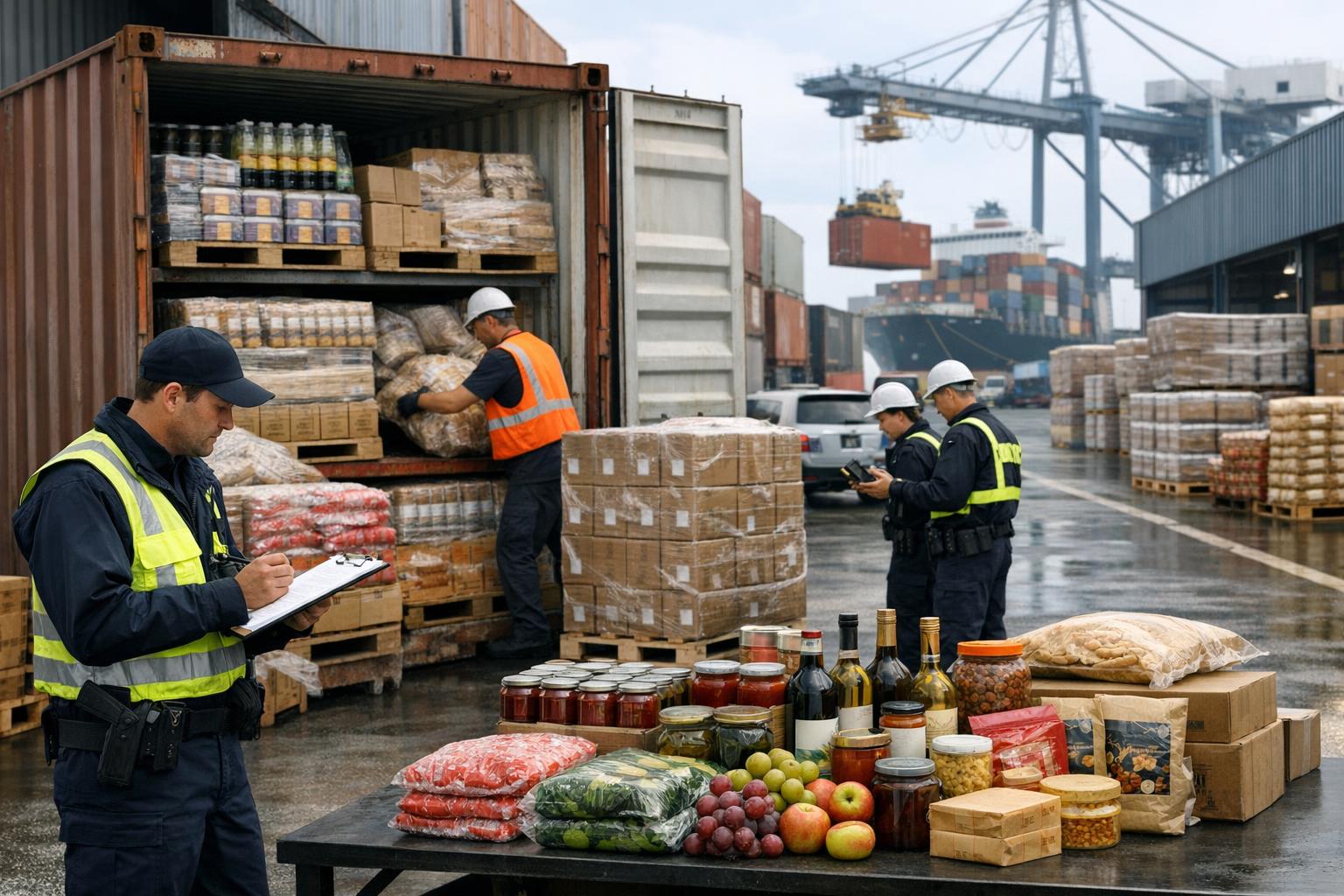
We understand that navigating the complex landscape of food and beverage imports into Mexico can be challenging. Together, we can explore the key regulations and best practices to ensure a smooth importing process nationwide.
- Understanding Mexican standards for food and beverages is essential for compliance.
- Proper documentation and permits are required before importing any consumable goods.
- Sanitary and phytosanitary measures must be strictly followed to avoid delays.
- Labeling requirements adhere to NOM (Official Mexican Standards) ensuring consumer safety.
- The role of customs brokers is vital for navigating legal requirements efficiently.
- Tariff classifications and taxes impact cost calculations significantly.
- We must stay informed about updates in regulations affecting food and beverage importation.
Understanding Mexican Food Import Regulations
Key Regulatory Agencies
In Mexico, the Comisión Federal para la Protección contra Riesgos Sanitarios (COFEPRIS) regulates food and beverage imports alongside the Secretaría de Agricultura y Desarrollo Rural (SADER). They oversee sanitary requirements to protect consumer health. We need to ensure all products meet their standards to avoid confiscation or rejection at customs.
Sanitary Registration
Products considered high-risk, such as dairy, meat, and beverages containing alcohol, require sanitary registration before entering Mexico. This means submitting detailed dossiers that prove safety and compliance. Working as importers, we should plan and start the registration process early to prevent delays.
How to Prepare Import Documentation for Food and Beverages
Essential Documents
Complete and accurate paperwork is critical. The main documents include commercial invoice, bill of lading or airway bill, sanitary import permit, and certificate of origin, among others. We recommend collaborating with experienced customs brokers who can verify the documentation meets all regulations.
Sanitary Import Permits and NOM Compliance
Before shipment arrival, obtaining sanitary import permits from COFEPRIS is mandatory for many food and beverage items. Additionally, products must comply with applicable NOM regulations, which cover labeling, ingredients, and packaging standards. For example, beverages with nutritional claims must meet specific NOM guidelines.
Labeling Requirements for Imported Food and Beverages
NOM Labeling Standards
Correct labeling ensures consumer confidence and legal compliance. Labels must display nutritional facts, expiration dates, allergen information, and manufacturer details in Spanish. We must guarantee that all product labels are verified to minimize the risk of fines or rejection upon customs inspection.
Common Labeling Challenges
Mislabeling often causes costly delays. We advise double-checking the translation accuracy and ensuring all mandatory data is visible to meet NOM requirements fully. As one expert in Mexican import regulations states, “A well-prepared label is the first step to avoiding border complications.” This advice emphasizes the importance of precision in preparation.
Tariffs, Taxes, and Duty Considerations
Applying the Correct Tariff Codes
Accurate tariff classification is vital for calculating duties and taxes correctly. Food and beverage categories have varying rates depending on origin and type. We must consult the Harmonized System (HS) codes and verify whether any trade agreements affect duty exemptions or reductions.
Value Added Tax (IVA) and Other Fees
Imported food products are subject to IVA at a typical rate of 16%, though some staple foods might be exempted. Additionally, we should account for handling fees or special taxes applicable to sugary beverages or alcohol, which can change fiscal projections significantly.
Ensuring Compliance with Mexican NOM for Food Imports
NOM Certifications Overview
NOMs (Normas Oficiales Mexicanas) are mandatory standards regulating safety, quality, and labeling. We face different NOMs depending on product type, such as NOM-051 for labeling or NOM-247 for dairy products. Familiarity with these norms is essential to maintain compliance throughout the import process.
Consequences of Non-Compliance
If we neglect NOM compliance, we risk product seizure, fines, or banning of products. Authorities may require corrective actions or even destroy goods not meeting Mexican standards. Staying proactive with certifications ensures business continuity and protects brand reputation.
The Role of Customs Brokers in Food and Beverage Imports
Why We Should Use Customs Brokers
Customs brokers act as intermediaries between importers and Mexican authorities. They expedite document processing, ensure payment of duties, and assist in resolving issues on customs inspections. Collaborating with a reliable broker helps us navigate regulations efficiently and avoid common pitfalls.
Finding Experienced Brokers
When selecting brokers, it’s important to confirm they have expertise in the food and beverage sector. This specialization helps in anticipating and solving specific challenges related to regulatory compliance and logistics.
Tips for Smooth Food and Beverage Importation into Mexico
Plan for Pre-Import Requirements
We should start by confirming the product classification, securing permits early, and verifying labeling. This prevents last-minute surprises and delays.
Maintain Open Communication
Keeping constant communication with suppliers, customs brokers, and Mexican authorities helps us respond promptly to any request or compliance issue. Transparency speeds up resolution processes.
Regularly Update Knowledge on Regulatory Changes
Mexican import regulations evolve to meet national health priorities. We commit to monitoring official updates and adjusting our procedures accordingly to remain compliant.
Conclusion
In conclusion, successfully importing food and beverages into Mexico requires thorough preparation, adherence to sanitary and labeling standards, and expert navigation of customs procedures. Together, by leveraging professional support and up-to-date knowledge, we can avoid costly setbacks and facilitate efficient market access for our products nationwide. For more detailed guidance about compliance and operational strategies, exploring resources such as those at BrokerMX is invaluable.
Frequently Asked Questions
- What products require sanitary registration for import into Mexico? Dairy, meat, alcoholic beverages, and other high-risk consumables typically need sanitary registration before importation.
- How can we determine the correct tariff classification for food imports? Using the Harmonized System codes and consulting tariff schedules, preferably with broker assistance, helps ensure accurate classification.
- Are all food labels required to be in Spanish? Yes, Mexican regulations mandate all labels to be in Spanish to ensure consumer understanding and legal compliance.
- What happens if imported food fails to meet NOM standards? Products may be seized, fined, or destroyed, and importers could face regulatory sanctions.
- Can customs brokers assist with obtaining sanitary permits? While brokers facilitate customs procedures, sanitary permits must be requested directly from COFEPRIS but brokers offer guidance on the process.
We invite you to contact us or visit https://brokermx.com/ for comprehensive assistance in successfully navigating Mexican import regulations and optimizing your import operations.