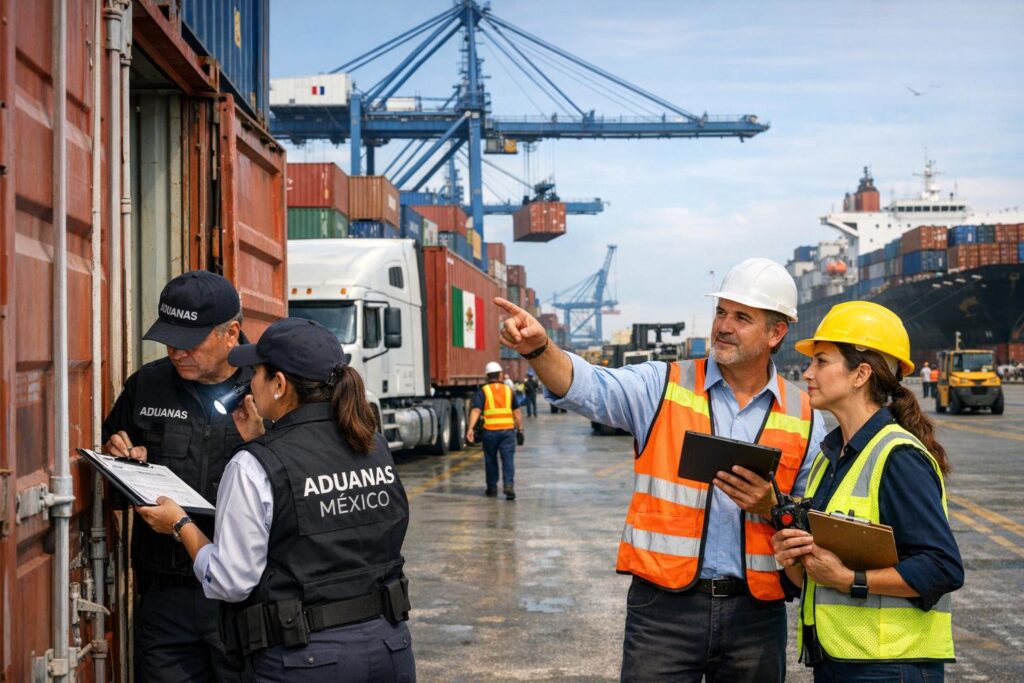
Importing goods into Mexico can be a maze of regulations, duties, and timing constraints. One strategic tool that many forward‑thinking businesses leverage is the bonded warehouse—a customs‑controlled facility where merchandise can be stored without immediate payment of import duties. By integrating bonded warehousing into your supply chain, you gain the agility to respond to market fluctuations, optimize cash flow, and protect your bottom line.
What Is a Bonded Warehouse?
A bonded warehouse (also known as a customs warehouse) is a secure, government‑approved storage area where imported goods remain under customs supervision until the owner decides to either release them into the domestic market, re‑export them, or undergo further processing. While the goods sit in the warehouse, import duties and taxes are postponed, giving importers valuable breathing room.
Key Advantages for Importers
- Duty Deferral: Pay taxes only when the product is moved out of the bonded zone.
- Cash‑Flow Management: Free up working capital for other strategic investments.
- Inventory Flexibility: Hold seasonal or slow‑moving items without incurring immediate costs.
- Risk Mitigation: Reduce exposure to currency fluctuations and tariff changes.
- Logistics Consolidation: Centralize shipments from multiple origins for a smoother customs clearance.
Why Mexico? A Strategic Hub for North‑American Trade
Mexico’s position as a bridge between the United States, Canada, and Latin America makes it an ideal location for bonded warehousing. The country benefits from:
- The United States‑Mexico‑Canada Agreement (USMCA), which offers preferential tariff treatment.
- A robust network of ports (Manzanillo, Veracruz, Lázaro Cárdenas) and land border crossings.
- Advanced customs technology (VUCEM) that speeds up electronic filings.
How Bonded Warehouses Enhance Supply‑Chain Flexibility
1. Staggered Release of Inventory
Instead of importing a full container and paying duties upfront, you can stage releases based on demand forecasts. This reduces the risk of overstock and aligns inventory with sales cycles.
2. Re‑Export Opportunities
When market conditions shift, goods stored in a bonded facility can be re‑exported without ever incurring Mexican duties—perfect for temporary exhibitions, test markets, or trans‑shipment to other LATAM countries.
3. Value‑Added Processing (VAP)
Many Mexican bonded warehouses offer VAP services such as labeling, repackaging, or light assembly. The processed goods retain their bonded status, allowing duty payment to be calculated on the final product value only when it exits the warehouse.
4. Seasonal Demand Management
Retailers can pre‑position holiday merchandise in Mexico’s bonded facilities during low‑demand periods, then release them just before the peak season, minimizing storage costs in their home country.
Choosing the Right Bonded Warehouse Provider
Not all facilities are created equal. When selecting a partner, consider:
- Location Proximity: Near ports or major highways for reduced inland transport.
- Technology Integration: Ability to sync with your ERP or WMS for real‑time inventory visibility.
- Compliance Record: A clean audit history with the Mexican Tax Administration Service (SAT).
- Value‑Added Services: In‑house customs brokerage, labeling, quality control, etc.
The Broker MX Edge: Professional Services That Make a Difference
While the concept of bonded warehousing is straightforward, the execution can be complex. That’s where Broker MX shines. Their professional services provide:
- End‑to‑End Customs Management: From filing the Pedimento de Importación to obtaining release orders.
- Strategic Warehouse Placement: Broker MX leverages its extensive network to locate facilities that match your logistical footprint.
- Regulatory Compliance Assurance: Continuous monitoring of SAT updates to keep your operations risk‑free.
- Cost Optimization Analysis: Detailed reporting on duty deferral savings, storage fees, and potential tariff benefits.
- Multilingual Support: English‑Spanish bilingual teams that bridge communication gaps between your headquarters and Mexican authorities.
Choosing Broker MX means you get a single point of contact for customs clearance, bonded storage, and logistics coordination—streamlining processes and reducing administrative overhead.
Step‑by‑Step Guide to Implementing Bonded Warehousing in Mexico
- Assess Your Product Portfolio – Identify items with high duty rates or seasonal demand spikes.
- Calculate Financial Impact – Use a duty deferral calculator to compare upfront duty vs. delayed payment scenarios.
- Select a Qualified Warehouse – Work with Broker MX to evaluate facilities based on location, security, and services.
- Prepare Documentation – Gather commercial invoices, packing lists, origin certificates, and any required permits.
- File the Import Declaration – Broker MX submits the electronic Pedimento through VUCEM, specifying the bonded status.
- Transport to the Bonded Facility – Arrange inland haulage; Broker MX can coordinate carriers and track shipments.
- Manage Inventory Inside the Warehouse – Use Broker MX’s reporting tools to monitor stock levels and plan release dates.
- Release or Re‑Export – When ready, Broker MX files the necessary customs paperwork to either pay duties and move goods into free circulation or re‑export them duty‑free.
Cost Considerations: Hidden Fees and How to Avoid Them
While bonded warehouses offer duty relief, there are other costs to watch:
- Storage Fees: Usually calculated per cubic meter per day; negotiate volume discounts.
- Handling Charges: Loading/unloading, palletizing, and inspection fees.
- Customs Inspection Fees: Random inspections may incur additional costs.
- Security Deposits: Some facilities require a refundable deposit to guarantee cargo safety.
Broker MX’s cost‑optimization service reviews all invoices, identifies overcharges, and ensures you only pay for services you actually use.
Case Study: How a U.S. Consumer Electronics Brand Cut Costs by 25% with Bonded Warehousing
Background: The brand imported 200,000 units of a new smartwatch each quarter into Mexico. Duty rates averaged 12% and cash flow was strained by upfront tax payments.
Solution: Partnering with Broker MX, the company stored the inventory in a bonded warehouse near the Port of Veracruz. They released the units in three batches aligned with promotional periods.
Results:
- Duty deferral saved $2.4 million in the first year.
- Working capital improved by 15% due to delayed tax outflows.
- Logistics costs dropped 8% because of consolidated inbound shipments.
- Re‑export of unsold units to Central America incurred zero Mexican duties.
Broker MX handled all customs filings, storage contracts, and inventory reporting, allowing the brand’s internal team to focus on marketing.
Regulatory Updates to Watch in 2026
Staying compliant means staying informed. Key changes expected this year include:
- Digital Customs Declarations: SAT is expanding mandatory electronic filing for all bonded movements.
- Revised Duty Rates under USMCA: Certain electronic components may see reduced tariffs; Broker MX monitors these shifts.
- Enhanced Security Protocols: New scanning requirements for high‑value cargo entering bonded facilities.
Broker MX’s compliance alerts keep you ahead of these developments, ensuring your operations never face unexpected penalties.
Frequently Asked Questions (FAQ)
- 1. Can any imported product be stored in a bonded warehouse?
- Most goods are eligible, but items such as hazardous materials, firearms, or products requiring special permits may have restrictions. Broker MX conducts a product eligibility assessment before placement.
- 2. How long can goods remain in a Mexican bonded warehouse?
- There is no fixed maximum; however, customs may require periodic inventory verification. Typically, goods can stay for months or even years as long as duties remain unpaid.
- 3. Do I still need a customs broker if I use a bonded warehouse?
- Yes. A broker facilitates the initial import declaration, manages bonded status, and handles releases. Broker MX offers a full‑service solution that eliminates the need for multiple providers.
- 4. What happens if I decide to re‑export the goods?
- You can file a re‑export declaration with SAT, and the goods leave the bonded facility duty‑free. Broker MX prepares the paperwork and coordinates with carriers to ensure smooth export.
- 5. Are there tax implications for goods that are transformed inside the warehouse?
- When value‑added processing occurs, duties are calculated on the final product’s value at the time of release. Broker MX advises on the most tax‑efficient processing options.
- 6. How does using a bonded warehouse affect my product’s country‑of‑origin labeling?
- The original country of origin remains unchanged. If goods are substantially transformed, a new origin may apply, and Broker MX will guide you through the certification process.
- 7. Can I combine bonded warehousing with a free‑trade zone