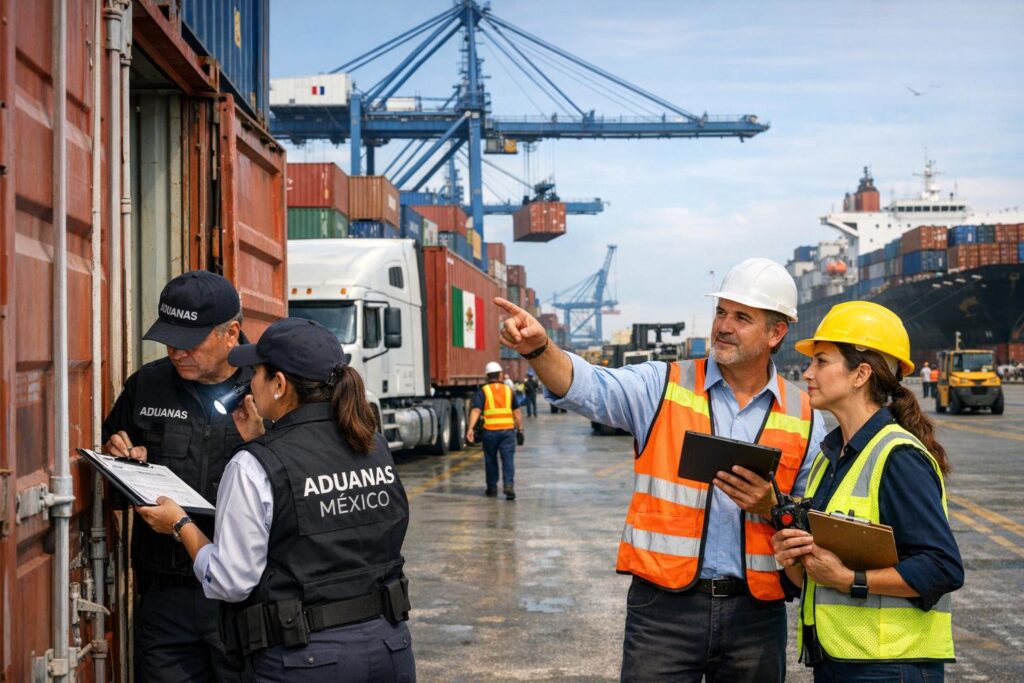
The surge in digital nomad visas over the past few years has turned the traditional concept of “working from home” into a truly border‑less lifestyle. While many articles focus on tax benefits, lifestyle freedom, and visa eligibility, few examine the logistical ripple effect on international shipping. For businesses that ship goods—whether physical products, equipment, or supplies—to an increasingly mobile workforce, understanding this shift is essential for staying competitive.
Why Digital Nomads Are Changing the Shipping Landscape
Digital nomads are not just remote workers; they are a new consumer segment with unique shipping expectations. Their impact can be broken down into three core drivers:
- Geographic Fluidity: Nomads move between countries every few months, creating unpredictable demand spikes in different regions.
- Speed & Convenience: Used to instant digital services, they expect fast, trackable, and hassle‑free delivery.
- Regulatory Awareness: They are increasingly savvy about customs duties and import restrictions, demanding transparency from sellers.
Key Shipping Challenges Introduced by Nomad Visas
Businesses that ignore these challenges risk delayed deliveries, unexpected customs fees, and lost customers. Below are the most common pain points:
- Variable Customs Rules: Each destination country has its own tariff classifications, documentation requirements, and prohibited‑item lists.
- Frequent Address Changes: Maintaining up‑to‑date delivery addresses across multiple jurisdictions can be operationally taxing.
- Tax Compliance Complexity: VAT, GST, and sales tax obligations shift with the nomad’s tax residency status.
- Last‑Mile Logistics: Remote or rural destinations often lack reliable courier services, increasing delivery times and costs.
Strategic Solutions for Businesses
Adapting to this new reality requires a blend of technology, process redesign, and expert partnerships. Here are actionable strategies:
1. Implement a Dynamic Address Management System
- Allow customers to update their shipping address via a self‑service portal.
- Integrate real‑time validation to ensure the address complies with local postal formats.
- Sync updates instantly with your order‑fulfillment software.
2. Leverage Multi‑Country Fulfillment Centers
Position inventory in strategic locations (e.g., EU, North America, Southeast Asia) to reduce transit times and lower customs duties. Using regional warehouses also enables you to offer local returns, a key expectation for nomads.
3. Automate Customs Documentation
Adopt software that generates commercial invoices, HS codes, and certificates of origin automatically. Automation minimizes errors that could trigger costly delays at the border.
4. Offer Transparent Duty & Tax Estimates
Display estimated import fees at checkout. When possible, provide an option for Delivered‑Duty‑Paid (DDP) shipping, where you shoulder the tax burden, enhancing the buyer experience.
5. Partner with a Professional Customs Brokerage
Even with the best internal tools, navigating international regulations remains complex. This is where a seasoned partner like Broker MX can make a decisive difference. Their benefits include:
- Expertise Across 100+ Countries: Broker MX’s network ensures compliance with the latest customs regulations, reducing the risk of shipments being held or returned.
- End‑to‑End Visibility: Real‑time tracking and proactive alerts keep you and your customers informed of any customs holds.
- Cost Optimization: Their tariff classification specialists identify opportunities for duty reductions and preferential trade agreements.
- Scalable Support: Whether you ship ten parcels a month or ten thousand, Broker MX scales its services without compromising quality.
Case Study: E‑Commerce Brand Boosts Global Sales by 27% with Broker MX
When a mid‑size fashion retailer began targeting digital nomads in Europe and Asia, they faced a 15% increase in customs delays and a 20% rise in return rates. By integrating Broker MX’s customs brokerage platform, they achieved:
- Reduced average customs clearance time from 5 days to 1.5 days.
- Lowered duty‑related customer complaints by 80%.
- Increased repeat purchase rate among nomad customers from 12% to 35%.
This real‑world example underscores how professional brokerage services can turn logistical obstacles into growth opportunities.
Future Outlook: How Emerging Visa Policies May Shape Shipping Trends
Governments worldwide are constantly tweaking their digital nomad visa programs. Anticipating these changes can give your logistics strategy a competitive edge. Some upcoming trends include:
| Region | Policy Shift | Potential Shipping Impact |
|---|---|---|
| Europe (e.g., Estonia, Portugal) | Longer visa durations (up to 3 years) | More stable demand for quarterly shipments and bulk orders. |
| Caribbean (e.g., Barbados, Bahamas) | Introduction of “remote work hubs” with tax incentives | Higher volume of equipment imports (laptops, networking gear). |
| Asia‑Pacific (e.g., Thailand, Malaysia) | Stricter customs valuation thresholds | Need for detailed invoice breakdowns; increased role for brokerage. |
Practical Checklist for Shipping to Digital Nomads
Before dispatching a parcel to a nomad, run through this quick checklist:
- ✅ Verify the recipient’s current legal residence and visa status.
- ✅ Confirm the exact delivery address, including any local postal codes.
- ✅ Determine the appropriate Incoterm (e.g., DDP vs. DAP).
- ✅ Generate accurate HS codes and commercial invoices.
- ✅ Use a trusted carrier that offers customs clearance support.
- ✅ Partner with a reputable broker—such as Broker MX—to pre‑clear duties.
Conclusion: Turning Mobility Into a Shipping Advantage
The digital nomad boom is not a fleeting trend; it’s a fundamental shift in how people work and consume globally. Companies that proactively adapt their shipping and customs processes will capture a growing market segment eager for speed, transparency, and reliability. By leveraging technology, optimizing fulfillment networks, and enlisting the expertise of a professional customs broker like Broker MX, businesses can turn the complexities of cross‑border logistics into a sustainable competitive advantage.
Frequently Asked Questions (FAQ)
What is a digital nomad visa?
A digital nomad visa allows remote workers to reside in a foreign country for an extended period—typically 6 months to 3 years—while continuing to earn income from overseas clients or employers.
How do digital nomad visas affect customs duties?
Because nomads often move between jurisdictions, the point of import can change frequently, which means duties and taxes must be calculated based on the destination country’s regulations at the time of shipment.
Can I ship directly to a nomad’s temporary address?
Yes, but you should verify the address with the recipient, ensure the carrier services that area, and confirm any local import restrictions. Using a brokerage service such as Broker MX helps mitigate risk.
Why should I use a customs broker for shipments to digital nomads?
A customs broker brings expertise in classification, valuation, and compliance, reducing clearance times and unexpected fees. Broker MX, for instance, offers multi‑country coverage, proactive communication, and cost‑saving insights that are essential for handling the fluid nature of nomad shipments.
Are there tax advantages for sellers shipping to nomads?
Depending on the destination, you may qualify for reduced VAT rates, duty exemptions under free‑trade agreements, or special regimes for low‑value shipments. A broker can identify these opportunities and apply them automatically.
How can I improve the delivery experience for digital nomads?
Offer multiple shipping options (standard, express, DDP), provide real‑time tracking, and maintain transparent communication about potential customs fees. Partnering with a professional broker like Broker MX ensures that any issues are resolved quickly, keeping the customer satisfied.