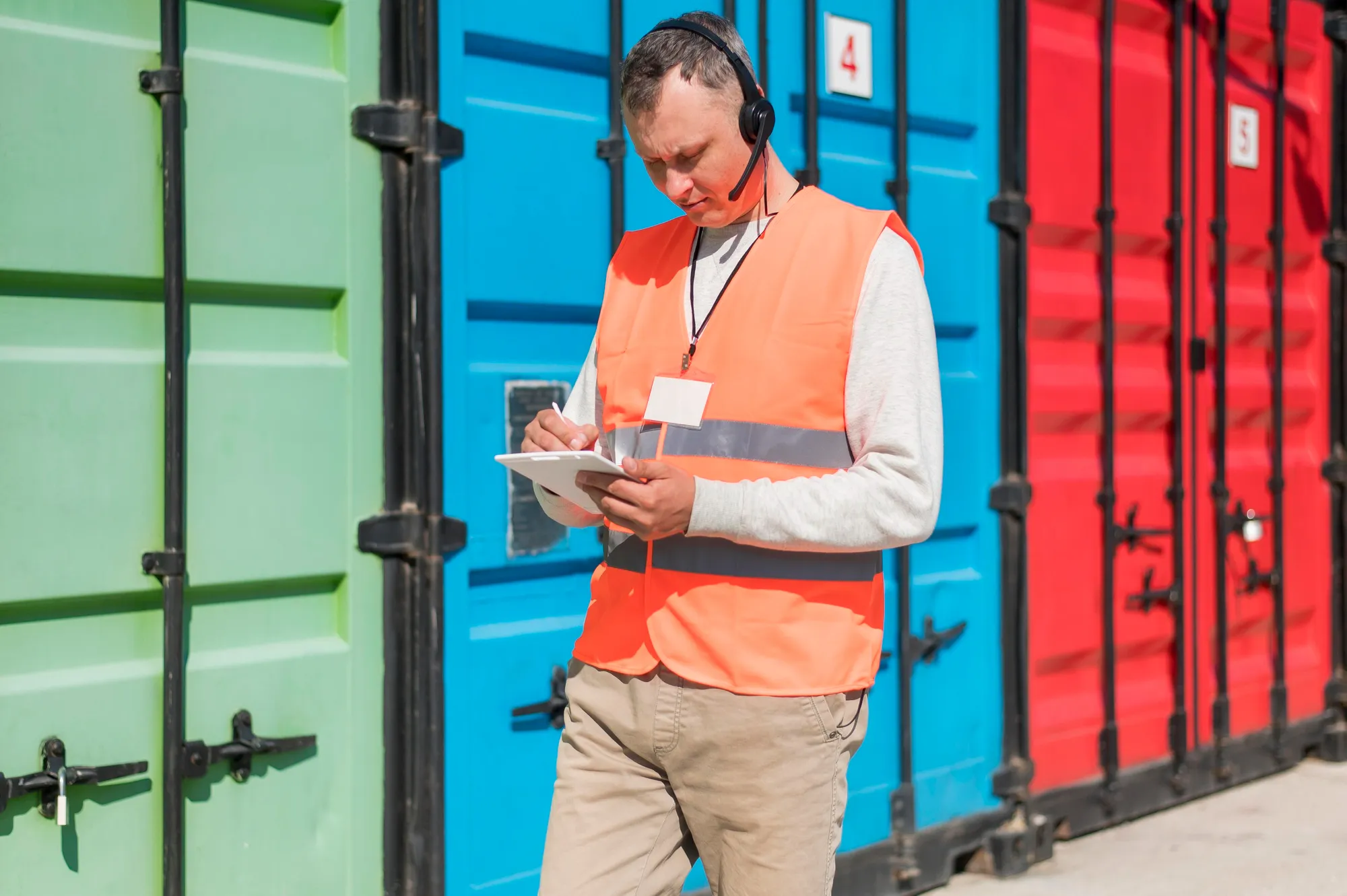
Mexico has become a significant player in global trade, with its strategic location and favorable business environment attracting companies from around the world. As international trade continues to grow, understanding the rules and regulations that govern it is crucial for businesses to succeed. One of the most important aspects of international trade is the use of Incoterms, a set of standardized terms that clarify the responsibilities of buyers and sellers in the delivery of goods.
What are Incoterms?
Incoterms, short for International Commercial Terms, are a set of 11 rules that define the responsibilities of buyers and sellers in international trade. They were first introduced by the International Chamber of Commerce (ICC) in 1936 and have since become a widely accepted standard in global trade. Incoterms clarify who is responsible for the transportation, insurance, and customs clearance of goods, as well as the point at which the risk of loss or damage is transferred from the seller to the buyer.
Types of Incoterms
There are 11 Incoterms, each with its own specific rules and responsibilities. Here are some of the most commonly used Incoterms:
- EXW (Ex Works): The seller is responsible for making the goods available at their premises, and the buyer is responsible for loading the goods and arranging transportation.
- FCA (Free Carrier): The seller is responsible for delivering the goods to the carrier, and the buyer is responsible for arranging transportation and insurance.
- CPT (Carriage Paid To): The seller is responsible for paying for the transportation of the goods to the buyer’s destination.
- CIP (Carriage and Insurance Paid To): The seller is responsible for paying for the transportation and insurance of the goods to the buyer’s destination.
- DAP (Delivered At Place): The seller is responsible for delivering the goods to the buyer’s destination, and the buyer is responsible for unloading the goods.
- DDP (Delivered Duty Paid): The seller is responsible for delivering the goods to the buyer’s destination, including paying for customs duties and taxes.
Benefits of Using Incoterms
Using Incoterms can bring several benefits to businesses involved in international trade. Some of the key advantages include:
- Clarifies responsibilities: Incoterms clearly define the responsibilities of buyers and sellers, reducing the risk of misunderstandings and disputes.
- Reduces costs: By understanding who is responsible for transportation, insurance, and customs clearance, businesses can better manage their costs and avoid unexpected expenses.
- Increases efficiency: Incoterms streamline the shipping process, allowing businesses to get their products to market faster and more efficiently.
- Enhances trust: By using Incoterms, businesses can demonstrate their commitment to transparency and fairness, enhancing trust with their trading partners.
Incoterms in Mexican Trade
Mexico is a significant player in global trade, with a large and growing economy. When doing business with Mexican companies, it’s essential to understand how Incoterms apply to trade in Mexico. Mexican customs regulations require that importers and exporters comply with the relevant Incoterms, and failure to do so can result in delays, fines, and other penalties.
To navigate the complexities of Incoterms in Mexican trade, businesses can benefit from the expertise of a professional customs broker. Broker MX is a leading provider of customs brokerage services in Mexico, with a team of experienced professionals who can help businesses navigate the intricacies of Incoterms and ensure compliance with Mexican customs regulations.
Frequently Asked Questions (FAQ)
Q: What are the most commonly used Incoterms in Mexican trade?
A: The most commonly used Incoterms in Mexican trade are EXW, FCA, CPT, and DDP.
Q: How do Incoterms affect customs clearance in Mexico?
A: Incoterms play a crucial role in customs clearance in Mexico, as they determine who is responsible for paying duties and taxes. Businesses must ensure they comply with the relevant Incoterms to avoid delays and penalties.
Q: Can I use Incoterms for domestic trade in Mexico?
A: While Incoterms are primarily used for international trade, they can also be used for domestic trade in Mexico. However, it’s essential to ensure that the Incoterms used are consistent with Mexican customs regulations.
Q: How can Broker MX help with Incoterms in Mexican trade?
A: Broker MX is a leading provider of customs brokerage services in Mexico, with a team of experienced professionals who can help businesses navigate the intricacies of Incoterms and ensure compliance with Mexican customs regulations.