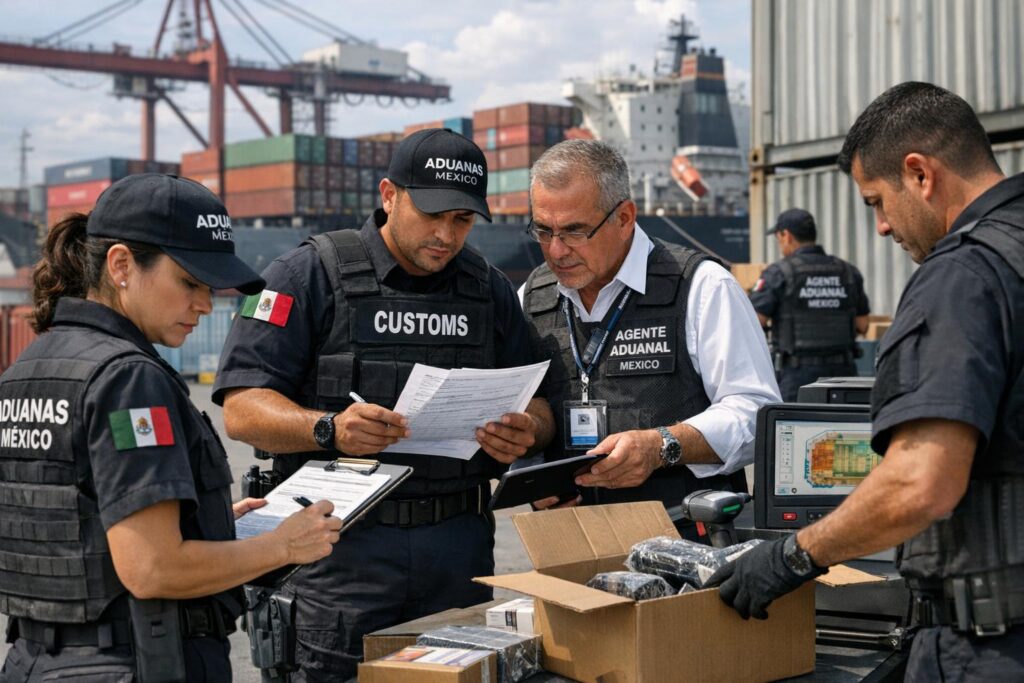
We understand that controlling shipping costs is crucial for businesses operating across borders. In this article, we explore effective strategies for reducing international freight expenses, focusing on practical and actionable insights applicable throughout Mexico and beyond.
- Consolidating shipments significantly lowers per-unit freight costs.
- Optimizing packaging and load planning maximizes container utilization.
- Leveraging low-tariff zones and trade agreements reduces customs duties.
- Using technology and forecasting buffers can mitigate rate volatility.
- Aligning shipping schedules and warehousing strategies improves cost efficiency.
- Understanding all cost components aids in better freight budgeting and management.
Consolidate Shipments to Maximize Freight Savings
The Benefits of Combining Loads
We often find that consolidating multiple purchase orders into fewer, larger shipments can reduce per-unit freight costs by 35-50%. Moving from several less-than-container-load (LCL) shipments to full container loads (FCL) allows us to negotiate better rates and reduces handling fees.
Cross-customer and multi-origin consolidation are proven tactics. If different customers ship cargo on the same trade lanes within a similar timeframe, combining these loads into shared containers yields substantial savings. This approach requires good coordination but offers high ROI.
Aligning Shipping Schedules
Working closely with customers and suppliers to synchronize shipping schedules helps avoid partial loads and additional surcharges. Planning weekly or bi-weekly consolidated shipments rather than ad hoc ones boosts container fill rates.
Optimize Packaging and Loading for Cost Efficiency
Efficient Use of Cubic Meter (CBM) Space
By improving packaging design and loading methods, we make full use of container cubic volume. Tools like CBM calculators guide optimal box sizing and stacking patterns, helping us avoid underutilized space which translates to wasted shipping costs.
We recommend investing in automated dimensioning and weight data solutions that help reduce dimensional weight charges dramatically, which is a major factor in air and road freight.
Choosing Lightweight and Protective Materials
The choice of packaging materials is another lever. Lightweight but protective materials such as poly mailers and corrugated cardboard save weight without compromising safety. This reduces fuel surcharges tied to weight thresholds.
Leverage Trade Agreements and Low-Tariff Zones
Utilizing USMCA and Other Trade Partnerships
For shipments in Mexico, understanding and optimizing tariff schedules is key. Strategically sourcing or routing shipments through low-tariff zones—especially under agreements like USMCA—can minimize import duties and expedite customs clearance.
We often encourage clients to use reliable duty calculators and HS code validation tools to ensure correct tariff classifications, reducing risks of unexpected taxes or delays; a topic detailed in our article on How to Calculate Duties and Taxes for Cross‑Border Shipping.
Avoiding Tariffs With Strategic Routing
Recent market trends show shifting sourcing to Southeast Asia, Central America, or Eastern Europe can lower tariff impact, especially for transpacific shipments affected by tariffs. This flexibility in supply chain design benefits both cost and reliability.
Buffer Freight Budgets and Use Technology to Manage Rate Volatility
Forecasting and Budgeting for Unexpected Costs
Unforeseen delays and limited capacity can spike freight costs suddenly. We recommend building buffers into budgets and transit time forecasts. This prepares us for spot rate surges common in volatile markets like ocean freight.
Booking rates 8-12 weeks in advance and considering both contract and spot-rate purchasing allow us to hedge pricing effectively, as highlighted in freight market analyses from 2026.
Using Shipping Platforms and Tools
Integrating e-commerce or logistics platforms with carriers such as DHL Express enables automatic rate calculation, label generation, and paperwork completion, minimizing errors and manual effort. Efficient packaging and shipment finalization lead to cost savings through reduced dimensional weight and surcharges.
Exploring Warehousing and Modal Choices
Mitigating Last-Mile Delays With Warehousing
We find that holding inventory in strategically located warehouses helps combat last-mile delays and surcharges that inflate freight costs. Warehousing close to major demand centers in Mexico can improve delivery speed and reduce emergency shipping fees.
Selecting the Right Transport Mode
Classifying SKUs by their value and urgency helps us choose between ocean, air, rail, and last-mile trucking. Bulkier, less time-sensitive goods often benefit from multimodal sea routes, while urgent orders may justify air or sea-air combinations despite higher costs.
Understanding the Complete Cost Structure of International Freight
Breaking Down Shipping Rates
Knowing that total shipping cost = base rate + surcharges + duties & taxes enables us to manage and negotiate each component. Examples of surcharges include fuel costs, remote area fees, and special handling. Being vigilant about these ensures accurate budgeting.
Our teams regularly review bills of lading and freight invoices to identify and contest unnecessary charges. This practice is essential when managing multiple shipments and freight providers.
Insurance and Risk Management
We also emphasize cargo insurance to safeguard against losses; this not only protects assets but can lower risk premiums negotiated within carrier contracts.
Expert Opinion: The Importance of Strategic Freight Planning
As logistics expert Michael Roberts recently stated, “A proactive, data-driven freight strategy that integrates consolidation, packaging optimization, and tariff management is key to controlling international shipping costs in 2026 and beyond.” We fully agree with his insights and incorporate similar approaches daily.
Implementing these strategies within Mexican supply chains requires adapting to local market conditions while leveraging global best practices, a balance we support through our comprehensive consulting.
For further practical advice and case studies on streamlining import processes, including pharmaceuticals and textiles, visit our guides such as Guide to Importing Textiles into Mexico or explore our solutions optimizing efficiency in partnerships found here.
Conclusion
In our view, successful reduction of international freight costs requires a multifaceted approach that includes shipment consolidation, packaging optimization, tariff savvy, and smart use of technology. Combining these tactics improves cost control and operational resilience across Mexico and global trade lanes. We encourage ongoing refinement of freight strategies supported by expert advice and resources like BrokerMX to remain competitive in evolving markets.
FAQ
- What is the biggest factor in reducing international freight costs?
Consolidating shipments into full container loads usually offers the most significant per-unit cost reduction. - How can packaging affect shipping expenses?
Efficient packaging maximizes container space and decreases dimensional weight charges, directly lowering freight costs. - Why is it important to understand tariffs and trade agreements?
Being aware of tariffs and using trade agreements like USMCA helps minimize duties and prevents delays at customs. - How can technology help in managing freight costs?
Automation in rate calculation, label creation, and documentation reduces errors and streamlines operations, leading to cost savings. - What role does warehousing play in freight cost control?
Strategic warehousing reduces last-mile delays and emergency shipping fees, optimizing overall supply chain expenses.
Let’s connect to develop customized freight strategies tailored to your business needs within Mexico. Visit BrokerMX today and discover how we can help you navigate the complexities of international shipping with cost-saving solutions.