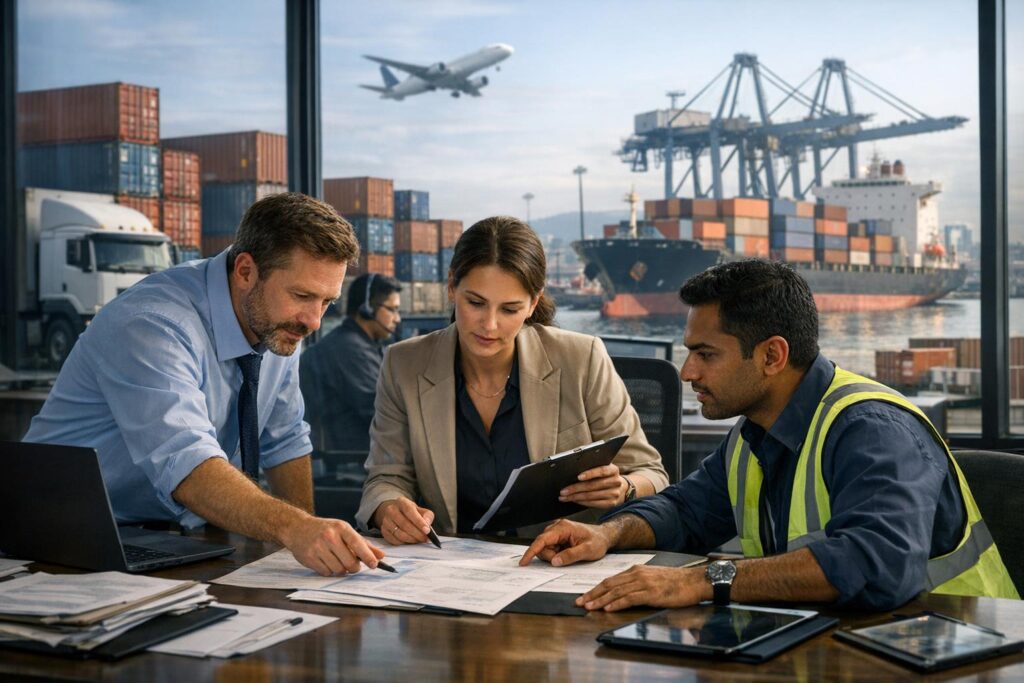
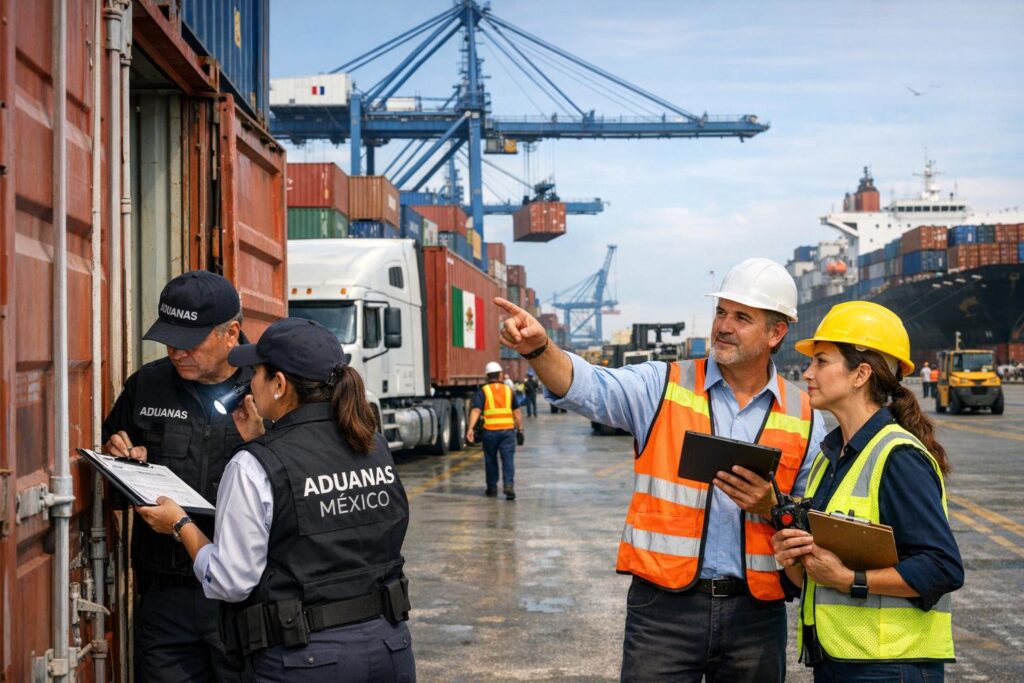
Logistics outsourcing is a key strategy for companies looking to optimize their import and export operations. By delegating logistics functions to specialized providers, businesses can focus on their core activities, reduce costs, and improve operational efficiency.
What is Logistics Outsourcing?
Logistics outsourcing involves hiring an external provider to manage various supply chain functions such as transportation, warehousing, inventory management, and customs compliance. This approach allows companies to access the expertise and resources of specialists without significant investment in their own infrastructure.
Benefits of Logistics Outsourcing in International Trade
1. Reduced Operating Costs
By outsourcing logistics functions, companies can cut expenses related to infrastructure, staffing, and technology by leveraging the economies of scale that logistics providers offer. This leads to lower operating costs and increased profitability.
2. Improved Operational Efficiency
Specialized logistics providers have optimized processes and advanced technology to efficiently manage the supply chain. This results in faster operations, reduced transit times, and improved delivery accuracy.
3. Regulatory Compliance and Risk Management
Importing products from the US to Mexico requires adherence to various customs regulations and local laws. Specialized logistics providers have the knowledge and experience to ensure compliance, minimizing legal and financial risks.
4. Access to Advanced Technology
Outsourcing logistics gives companies access to supply chain management systems, shipment tracking software, and other technological tools without needing significant investment in developing or acquiring proprietary technology.
Considerations When Choosing a Logistics Outsourcing Provider
When selecting a logistics provider for imports from the US to Mexico, it’s important to consider:
- Experience in International Trade: The provider should have proven experience managing import and export operations, especially between the US and Mexico.
- Regulatory Compliance: Familiarity with customs regulations and local laws to ensure compliance and avoid penalties.
- Infrastructure and Technology: Adequate facilities and advanced technology to efficiently manage the supply chain.
- Customer Service: Proactive and accessible support to address any issues or inquiries.
Conclusion
Logistics outsourcing is an effective strategy for companies focused on importing from the US to Mexico. Partnering with specialized logistics providers allows businesses to optimize operations, reduce costs, and improve supply chain management efficiency. Selecting a provider with experience, regulatory knowledge, proper infrastructure, and advanced technology is essential to success in international trade operations.
Frequently Asked Questions (FAQ) about Logistics Outsourcing for International Trade
1. What is logistics outsourcing?
Logistics outsourcing is the practice of hiring an external company to manage logistics functions such as transportation, warehousing, and customs compliance.
2. How can logistics outsourcing benefit my business?
It helps reduce operating costs, improve efficiency, ensure regulatory compliance, and provide access to advanced technology.
3. Why is logistics outsourcing important for international trade?
Because it helps navigate complex customs regulations, reduces risks, and optimizes supply chain operations across borders.
4. What should I look for when choosing a logistics outsourcing provider?
Look for experience in international trade, knowledge of customs regulations, adequate infrastructure, advanced technology, and good customer service.
5. Can logistics outsourcing improve my import process from the US to Mexico?
Yes, specialized providers can streamline operations, reduce delays, and help you comply with all necessary regulations.