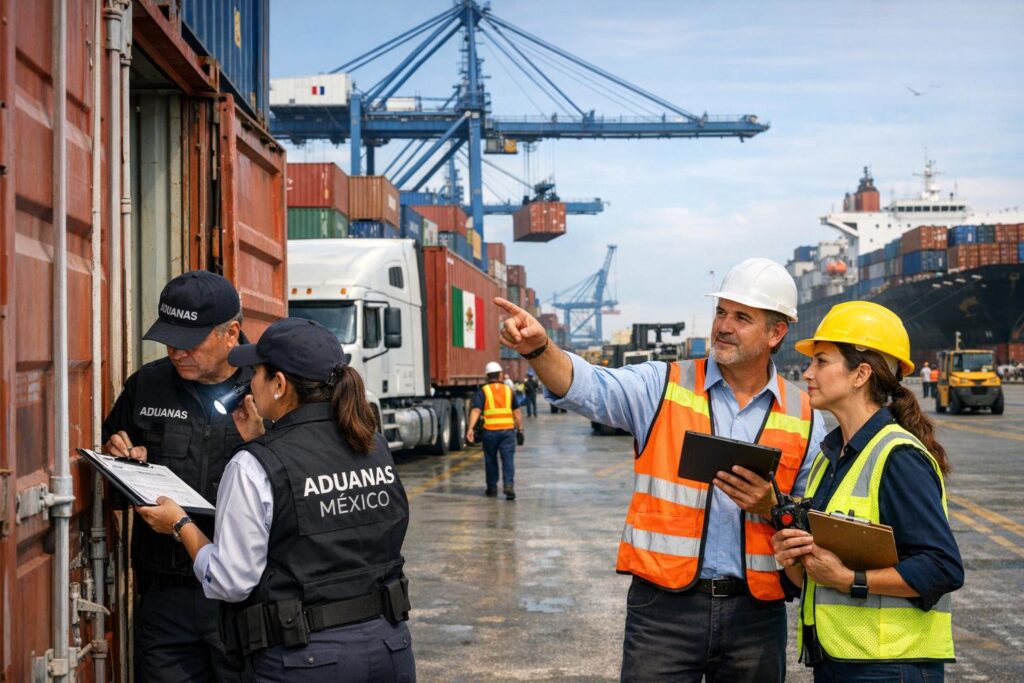
Importing used goods into Mexico can be a complex and nuanced process, with various regulations and restrictions that must be navigated in order to ensure compliance and avoid costly delays. As a country with a growing economy and a strategic location, Mexico is an attractive market for businesses looking to import used goods, but it’s essential to understand the rules and regulations that govern this type of trade.
Regulations and Restrictions on Used Goods in Mexico
Mexico has implemented various regulations and restrictions on the importation of used goods, aimed at protecting the environment, public health, and the country’s industries. Some of the key regulations and restrictions include:
- Used goods that are considered hazardous or toxic are subject to special regulations and permits.
- Certain used goods, such as electronics and machinery, must meet specific safety and environmental standards.
- Used vehicles, including cars, trucks, and buses, are subject to specific regulations, including age restrictions and emissions standards.
- Used goods that are considered ” priority” by the Mexican government, such as certain textiles and clothing, may be subject to quotas or tariffs.
Required Documentation for Importing Used Goods
When importing used goods into Mexico, it’s essential to have the correct documentation in order to clear customs and comply with regulations. Some of the key documents required include:
- A commercial invoice that includes a detailed description of the goods, their value, and the country of origin.
- A certificate of origin, which verifies the country of origin of the goods.
- A bill of lading or airway bill, which serves as proof of shipment.
- A permit or license, if required, for the specific type of used goods being imported.
Tariffs and Taxes on Used Goods
Tariffs and taxes on used goods in Mexico vary depending on the type of goods, their value, and the country of origin. Some used goods may be subject to a reduced tariff rate if they meet certain conditions, such as being imported for repair or refurbishment. Additionally, some used goods may be exempt from certain taxes, such as value-added tax (VAT), if they are imported for specific purposes, such as for charitable organizations.
The Benefits of Working with a Professional Customs Broker
Navigating the regulations and restrictions on importing used goods into Mexico can be complex and time-consuming. Working with a professional customs broker, such as Broker MX, can help simplify the process and ensure compliance with all regulations. Some of the benefits of working with a professional customs broker include:
- Expert knowledge of Mexican regulations and restrictions on used goods.
- Assistance with preparing and submitting required documentation.
- Help with clearing customs and avoiding costly delays.
- Advice on tariffs and taxes, and how to minimize them.
Frequently Asked Questions (FAQ)
Q: What types of used goods are prohibited from being imported into Mexico?
A: Certain used goods, such as hazardous or toxic materials, are prohibited from being imported into Mexico. It’s essential to check with a professional customs broker, such as Broker MX, to determine if the used goods you wish to import are allowed.
Q: Do I need a permit to import used goods into Mexico?
A: Depending on the type of used goods being imported, a permit or license may be required. A professional customs broker, such as Broker MX, can help determine if a permit is required.
Q: How can I ensure that my used goods comply with Mexican regulations?
A: Working with a professional customs broker, such as Broker MX, can help ensure that your used goods comply with Mexican regulations. They can provide guidance on the required documentation, permits, and licenses needed.
At Broker MX (https://brokermx.com), our team of experienced customs brokers has extensive knowledge of Mexican regulations and restrictions on used goods. We can help simplify the import process and ensure compliance with all regulations. Contact us today to learn more about our services and how we can help you navigate the complexities of importing used goods into Mexico.