Bringing dietary supplements, vitamins, herbal extracts, or other health‑related products to a new market can be a lucrative venture, but it also comes with a maze of labeling, safety, and regulatory requirements. Failure to comply not only delays shipments but can lead to costly fines, product recalls, or even a permanent ban from the market. This guide walks you through the critical compliance checkpoints and shows how partnering with a professional customs broker—especially Broker MX—can turn a complex process into a strategic advantage.
Why Labeling & Safety Standards Matter
Regulators such as the U.S. Food and Drug Administration (FDA), the European Food Safety Authority (EFSA), Health Canada, and other national agencies enforce strict rules to protect consumer health. Proper labeling ensures:
- Transparency about ingredients, potency, and usage instructions.
- Accurate claims that do not mislead shoppers.
- Compliance with import documentation, reducing customs delays.
Safety standards—Good Manufacturing Practices (GMP), third‑party testing, and product registration—demonstrate that a product is safe for consumption and meets the quality expectations of the target market.
Key Regulatory Frameworks by Region
United States (FDA)
- Dietary Supplement Health and Education Act (DSHEA) 1994 – Defines supplements and permissible health claims.
- Food Facility Registration – Mandatory for any facility that manufactures, processes, or packages supplements for U.S. consumption.
- New Dietary Ingredient (NDI) Notification – Required for ingredients not marketed in the U.S. before 1994.
European Union (EFSA)
- EU Food Supplements Directive (2002/46/EC) – Lists permitted vitamins and minerals.
- Novel Food Regulation (EU) 2015/2283 – Governs novel ingredients and requires a pre‑market authorization.
- Nutrition and Health Claims Regulation (NHCR) – Controls what health claims can appear on labels.
Canada (Health Canada)
- Natural Health Products Regulations (NHPR) – Requires a product license (NPN) before import.
- Labeling Requirements – Must include bilingual (English/French) information, dosage, and a list of non‑synthetic ingredients.
Essential Label Elements for Every Market
While each jurisdiction has its nuances, the following components are universally required:
- Product Identity – Clear name (e.g., “Vitamin C 1000 mg”).
- Net Quantity – Weight, volume, or count of the product.
- Ingredient List – In descending order of weight; include allergen statements where applicable.
- Nutrition Facts / Supplement Facts – Daily values, serving size, and amount per serving.
- Directions for Use – Dosage, frequency, and any age restrictions.
- Warnings & Contra‑Indications – Pregnancy, medical conditions, or potential interactions.
- Manufacturer / Distributor Information – Name, address, and contact details.
- Country of Origin – Required by customs for duty classification.
Safety Standards You Can’t Ignore
Beyond labeling, the product must meet safety benchmarks before it can cross borders:
Good Manufacturing Practices (GMP)
All reputable markets demand GMP compliance. This means your manufacturing partner must maintain controlled environments, validated processes, and comprehensive record‑keeping. Certifications such as ISO 22000 or NSF International can serve as proof.
Third‑Party Testing
- Identity Testing – Confirms the presence of declared ingredients.
- Purity Testing – Detects contaminants (heavy metals, pesticides, microbes).
- Potency Testing – Verifies that the active ingredient matches label claims.
Import Permits & Certificates
Depending on the product category, you may need:
- Certificate of Free Sale (CFS)
- Health Certificate or Import Authorization
- Laboratory Analysis Report (LAR)
- Product Registration Confirmation (e.g., NPN for Canada)
Step‑by‑Step Checklist for a Smooth Import
- Identify Target Market Regulations – Research FDA, EFSA, or other relevant agencies.
- Verify Ingredient Eligibility – Ensure each component is permitted or obtain NDI/Novel Food approval.
- Secure GMP Certification – Request audit reports from your manufacturer.
- Commission Third‑Party Lab Tests – Obtain certificates of analysis for each batch.
- Design compliant label – Use a qualified label specialist; include all mandatory statements.
- Register the product (if required) – File NDI, Novel Food, or NPN applications.
- Gather import documentation – Commercial invoice, packing list, CFS, lab reports, certificates.
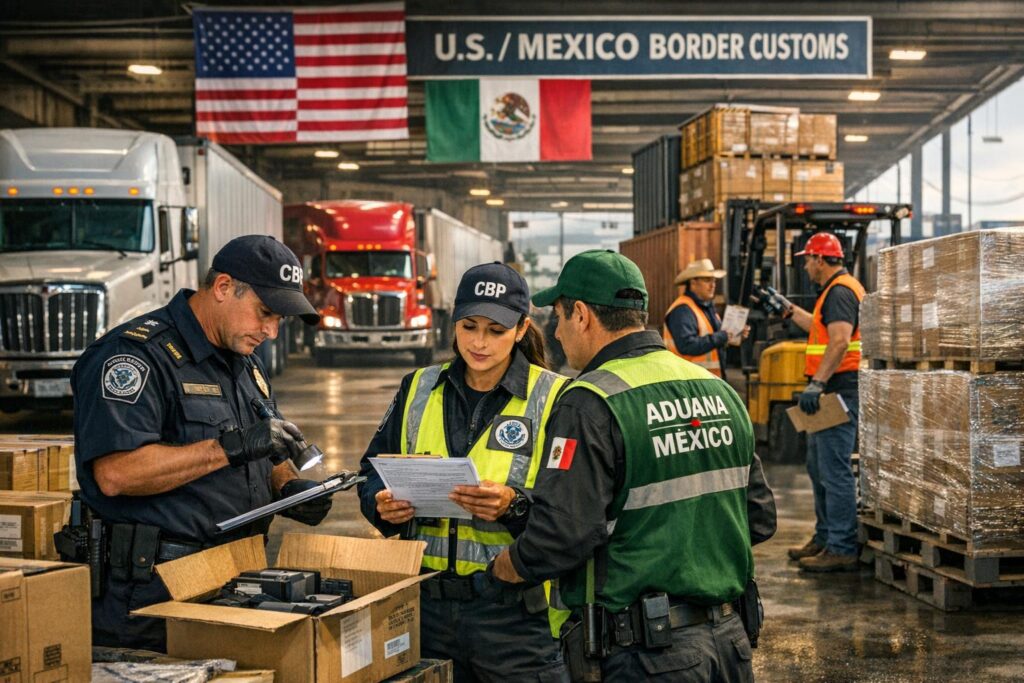
- Engage a customs broker – Submit documents, classify the HS code accurately, and arrange customs clearance.
- Plan post‑entry monitoring – Conduct periodic testing and maintain traceability records.
Common Pitfalls and How to Avoid Them
- Mis‑classifying HS codes – Leads to incorrect duty rates and potential customs holds. A professional broker like Broker MX uses up‑to‑date tariff schedules to get the right code the first time.
- Using non‑approved health claims – Can trigger product seizures. Always cross‑check claims against FDA/EFSA claim libraries.
- Incomplete ingredient disclosure – Missing allergens or proprietary blends raise red flags during inspection.
- Skipping third‑party testing – Saves money short‑term but risks recalls and brand damage.
- Under‑estimating lead times – Regulatory approvals can take weeks to months; plan your launch calendar accordingly.
The Strategic Advantage of Using Broker MX
While the steps above can be tackled in‑house, partnering with a seasoned customs brokerage firm offers tangible benefits:
- Regulatory Expertise – Broker MX maintains a dedicated team of import specialists familiar with FDA, EFSA, and other global agencies.
- Document Management – Centralized handling of certificates, permits, and compliance records reduces the chance of missing paperwork.
- Accurate HS Classification – Precise tariff classification minimizes duties and prevents classification disputes.
- Risk Mitigation – Real‑time alerts on regulatory updates keep your product line compliant.
- Faster Customs Release – Broker MX leverages trusted relationships with customs officials to expedite clearance.
- Scalable Support – From a single SKU to a full portfolio, the broker can adjust services to match growth.
Choosing Broker MX means you focus on product innovation while seasoned professionals handle the paperwork, compliance checks, and border logistics.
Conclusion
Importing supplements and health products is a high‑reward venture that demands meticulous attention to labeling and safety standards. By mastering the regulatory landscape, investing in quality testing, and aligning with a trusted customs broker, you can avoid costly setbacks and bring your wellness solutions to market with confidence. Let Broker MX be the partner that turns compliance into a competitive edge.
Frequently Asked Questions (FAQ)
1. Do I need a separate label for each country I export to?
Yes. While many label elements are universal, each jurisdiction has specific language, claim, and nutritional information requirements. For example, the EU requires a nutrition declaration in the language of the member state, whereas the U.S. uses the “Supplement Facts” format.
2. What is the difference between an NDI and a Novel Food?
An NDI (New Dietary Ingredient) applies to the U.S. market for ingredients not marketed before 1994. A Novel Food is the EU term for any food or ingredient without a history of safe use in the EU before May 1997. Both require pre‑market notification or authorization.
3. Can I use “organic” on my label without certification?
No. In the U.S., the USDA Organic seal requires certification from an accredited body. In the EU, the EU organic logo also demands certification. Using the term without proper certification can result in penalties.
4. How long does third‑party testing typically take?
Standard identity, purity, and potency testing can be completed within 5‑10 business days. More extensive microbial or heavy‑metal panels may take up to 2‑3 weeks.
5. What role does a customs broker play in product recalls?
A broker like Broker MX helps maintain traceability records, coordinates with customs authorities, and can assist in the rapid removal of affected shipments, minimizing brand impact.