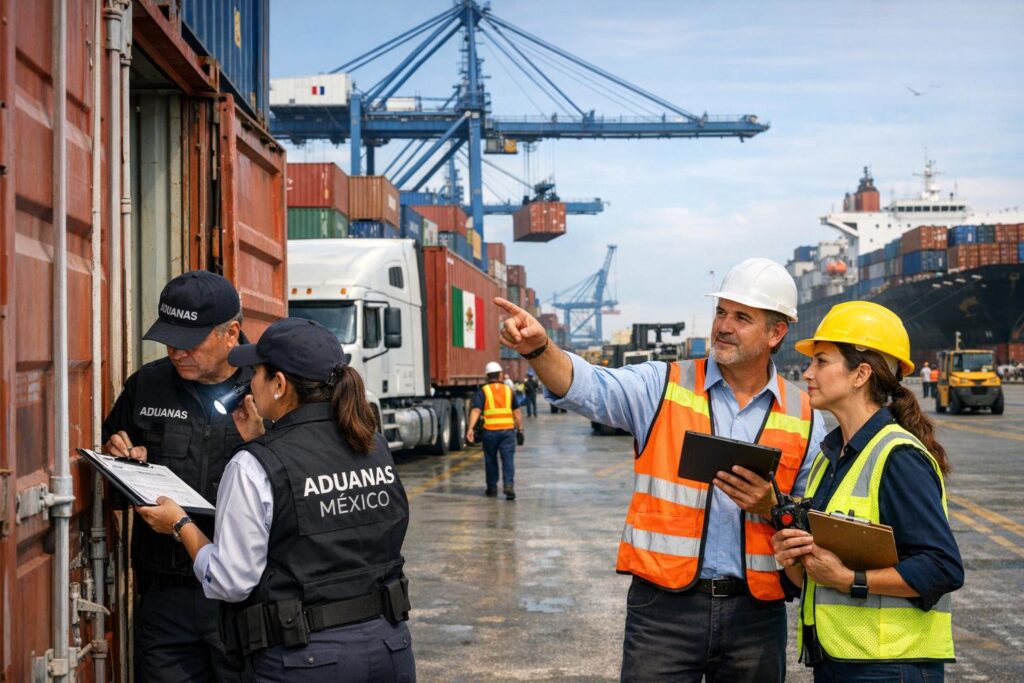
Understanding the Dynamics of Global Trade Policies
The landscape of international trade is constantly evolving, influenced by a myriad of factors including political shifts, economic fluctuations, and regulatory changes. For countries like Mexico, which play a significant role in global trade, these dynamics can have far-reaching implications on their import activities. Mexico’s strategic position as a major trading partner, particularly with the United States and Canada through agreements like the USMCA (United States-Mexico-Canada Agreement), makes it an interesting case study for understanding how global trade policies impact imports.
Key Factors Influencing Global Trade Policies
Several key factors influence global trade policies, which in turn affect Mexican imports. These include:
- Economic sanctions and tariffs imposed by major economies
- Trade agreements and their stipulations
- Regulatory changes in major importing and exporting countries
- Global economic trends and forecasts
Understanding these factors is crucial for businesses engaged in international trade, as they can significantly impact the cost, availability, and profitability of imports.
The Role of Trade Agreements
Trade agreements play a pivotal role in shaping the landscape of international trade. For Mexico, agreements like the USMCA have been instrumental in facilitating trade with its northern neighbors. The stipulations within these agreements, such as rules of origin, tariffs, and quotas, directly affect Mexican imports. For instance, the USMCA has introduced new rules that require a certain percentage of auto parts to be produced in North America, affecting the automotive industry’s import dynamics.
Impact of Tariffs and Economic Sanctions
Tariffs and economic sanctions are tools used by governments to influence trade flows. The imposition of tariffs on certain goods can make imports more expensive, potentially reducing demand. For Mexico, tariffs imposed by trading partners can increase the cost of its exports, while tariffs imposed on imports can protect domestic industries but may also increase costs for consumers and businesses. Navigating these complexities requires a deep understanding of the current trade environment and the ability to adapt to changes.
Regulatory Changes and Compliance
Regulatory changes in major trading countries can also have a significant impact on Mexican imports. Compliance with these regulations is not only necessary for avoiding legal issues but also for maintaining a competitive edge. Regulations can cover a wide range of areas, including product safety, labeling, and environmental standards. Staying ahead of these changes is crucial for businesses looking to maintain or expand their market share.
Benefits for Mexican Importers
Despite the challenges, there are opportunities for growth and optimization in the import sector for Mexican businesses. By understanding the intricacies of global trade policies and leveraging the right expertise, importers can navigate the complex landscape more effectively. This includes identifying new suppliers, optimizing logistics, and ensuring compliance with all relevant regulations.
Expert Guidance for Navigating Global Trade Policies
For businesses in Mexico looking to import goods, having expert guidance can make all the difference. Companies like Broker MX (https://brokermx.com) specialize in providing professional services tailored to the needs of importers. Their expertise can help businesses navigate the complexities of global trade policies, ensuring compliance and optimizing import operations.
Why Partner with Broker MX?
By partnering with Broker MX, businesses can benefit from:
- Expert knowledge of global trade policies and regulations
- Personalized service tailored to the specific needs of each business
- Optimization of import operations for cost savings and efficiency
- Compliance assurance, reducing the risk of legal and financial penalties
Frequently Asked Questions (FAQ)
Q: How do global trade policies affect Mexican imports?
A: Global trade policies can impact Mexican imports through tariffs, trade agreements, and regulatory changes, affecting the cost, availability, and profitability of imports.
Q: What role do trade agreements play in Mexican imports?
A: Trade agreements like the USMCA facilitate trade by setting rules on tariffs, quotas, and other trade-related matters, directly influencing the dynamics of Mexican imports.
Q: How can businesses navigate the complexities of global trade policies?
A: Businesses can navigate these complexities by staying informed about global trade policies and partnering with experts like Broker MX, who provide tailored guidance and support.
Q: What are the benefits of using Broker MX’s services?
A: Broker MX’s services offer expert knowledge, personalized support, operational optimization, and compliance assurance, helping businesses to efficiently navigate the complexities of importing goods into Mexico.
Q: Can tariffs and economic sanctions impact Mexican importers?
A: Yes, tariffs and economic sanctions can increase the cost of imports and potentially reduce demand, making it crucial for importers to stay informed and adapt to these changes.