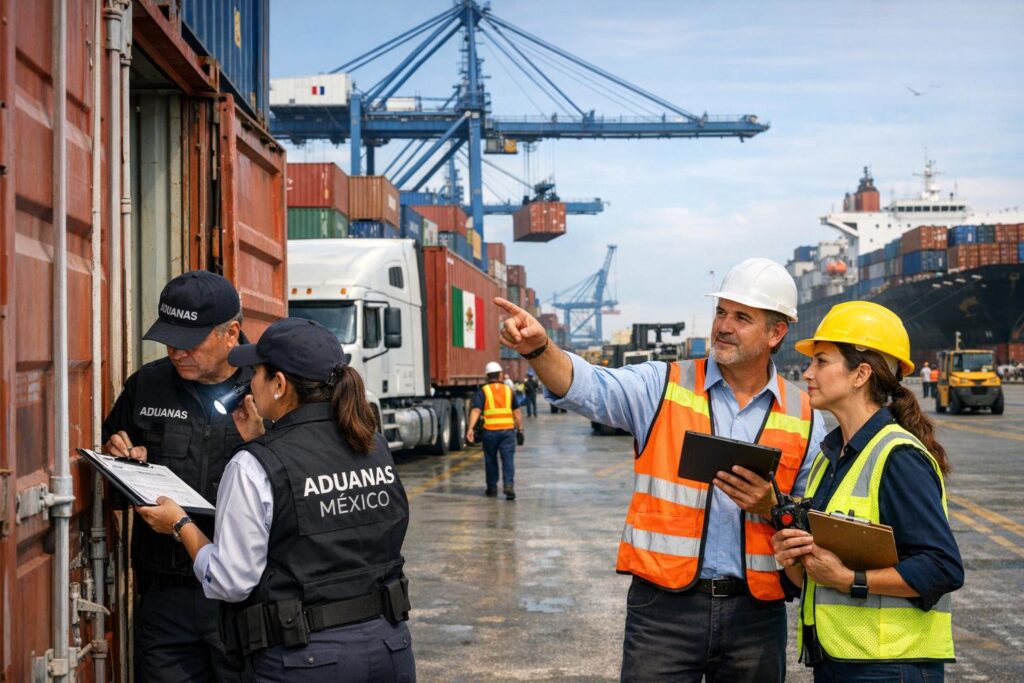
International trade opens new markets, but every shipment that crosses a border triggers customs duties and taxes. Understanding how these fees are calculated is essential for accurate pricing, cash‑flow planning, and avoiding costly delays at the port of entry.
1. Identify the Correct HS Code
The Harmonized System (HS) code is a six‑digit numeric classification used worldwide to identify products. It determines the duty rate applied by the importing country.
- Search official customs databases or use online tools such as the U.S. International Trade Commission HS lookup.
- Confirm the code with the buyer or a certified customs broker—misclassification can lead to penalties.
- Remember that some countries add extra digits (up to 10) for more specific sub‑categories.
2. Determine the Dutiable Value
The dutiable value is the base amount on which customs duty and taxes are calculated. Most countries follow the Transaction Value Method, which includes:
- Invoice price of the goods.
- Freight costs (CIF – Cost, Insurance, and Freight) up to the destination port.
- Insurance premiums paid for the shipment.
- Any additional charges that are not excluded by law (e.g., packing, handling).
3. Apply the Duty Rate
Once you have the HS code and dutiable value, look up the duty rate for the destination country:
- Many customs authorities publish tariff schedules online (e.g., UK Trade Tariff or U.S. Harmonized Tariff Schedule).
- Duty rates can be a flat percentage, a specific amount per unit, or a combination of both.
- Special preferential rates may apply under free‑trade agreements (FTAs) such as USMCA, EU‑Mexico, etc.
4. Calculate Import Taxes (VAT, GST, Excise)
After duty, most countries impose a value‑added tax (VAT) or goods‑and‑services tax (GST). These taxes are usually calculated on the sum of dutiable value + duty + any applicable excise duties.
- VAT/GST rates vary widely (e.g., 20% in the UK, 21% in Mexico, 8% in Canada).
- Excise taxes apply to specific categories such as alcohol, tobacco, or fuel.
5. Add Additional Fees and Surcharges
Beyond duty and tax, you may encounter other charges:
- Customs processing fees – fixed fees for handling paperwork.
- Anti‑dumping duties – extra tariffs on products deemed to be subsidized.
- Port security surcharges – often a percentage of the cargo value.
- Brokerage fees – if you hire a customs broker to clear the shipment.
6. Use an Online Duty Calculator for a Quick Estimate
Several platforms provide instant estimates once you input the HS code, value, and destination. While handy, these tools are only as accurate as the data entered, and they cannot replace a professional review.
7. Why Partner with a Professional Customs Broker?
Even with the best calculators, the complexity of international regulations makes expert assistance invaluable. Broker MX offers a suite of services that can streamline your cross‑border shipments:
- Accurate HS‑code classification – reduces the risk of penalties and over‑paying duties.
- Compliance assurance – stays up‑to‑date with changing tariff schedules, FTAs, and regulatory requirements.
- Cost optimization – identifies duty‑drawback opportunities and the most favorable valuation methods.
- Faster clearance – dedicated liaison with customs officials cuts average release time by up to 40%.
- End‑to‑end documentation support – from commercial invoices to certificates of origin.
Choosing a trusted partner like Broker MX not only safeguards your shipments but also gives you a competitive edge in pricing and delivery reliability.
8. Step‑by‑Step Quick‑Reference Checklist
- Confirm the product’s HS code.
- Calculate the CIF value (cost + insurance + freight).
- Lookup the duty rate for the destination country.
- Apply duty to the CIF value.
- Add VAT/GST (and any excise duties) on top of duty‑included value.
- Include any additional fees (customs processing, anti‑dumping, broker fees).
- Review the total landed cost and verify against budget.
- Consider engaging a broker like Broker MX for compliance and faster clearance.
Conclusion
Calculating duties and taxes for cross‑border shipping is a multi‑step process that blends accurate product classification, proper valuation, and a thorough understanding of each country’s tariff structure. By following the systematic approach outlined above and leveraging professional expertise from Broker MX, businesses can minimize unexpected costs, accelerate customs clearance, and focus on growth in new markets.
Frequently Asked Questions (FAQ)
- What is an HS code and why is it important?
- The HS (Harmonized System) code classifies goods internationally. Customs duties and taxes are directly tied to this code, so a correct classification ensures you pay the right amount and avoid penalties.
- How is the dutiable value calculated?
- Most countries use the transaction value method: the invoice price plus freight, insurance, and any other costs incurred before the goods reach the border.
- Do free‑trade agreements (FTAs) always reduce duties?
- FTAs can lower or eliminate duties for qualifying goods, but you must meet origin rules and provide a valid certificate of origin. Broker MX can help verify eligibility.
- Can I rely solely on online duty calculators?
- Online calculators are useful for quick estimates, but they may not capture all surcharges, recent tariff changes, or special exemptions. A professional broker provides the most accurate landed‑cost calculation.
- What documents are required for customs clearance?
- Typical documents include a commercial invoice, packing list, bill of lading or airway bill, certificate of origin (if applicable), and any required import permits or licenses.
- How can Broker MX help reduce my landed costs?
- Broker MX reviews your product classifications, identifies applicable FTAs, suggests optimal valuation methods, and handles all paperwork, resulting in lower duties, fewer delays, and overall cost savings.
- Is there a difference between VAT and GST?
- Both are consumption taxes applied to the value of goods after duty. VAT (Value‑Added Tax) is common in Europe and many other regions, while GST (Goods and Services Tax) is used in countries like Canada, Australia, and India. The calculation principle is similar.
- What are anti‑dumping duties?
- These are additional tariffs imposed on imports that are believed to be priced below fair market value, protecting domestic industries. They are applied on top of regular duties.
- When should I engage a customs broker?
- Engage a broker for any shipment where you lack expertise in classification, valuation, or regulatory compliance—especially for high‑value, high‑volume, or time‑sensitive goods. Broker MX offers flexible plans tailored to your business size.
Ready to simplify your cross‑border shipments? Contact Broker MX today and let the experts handle your customs duties, taxes, and compliance.