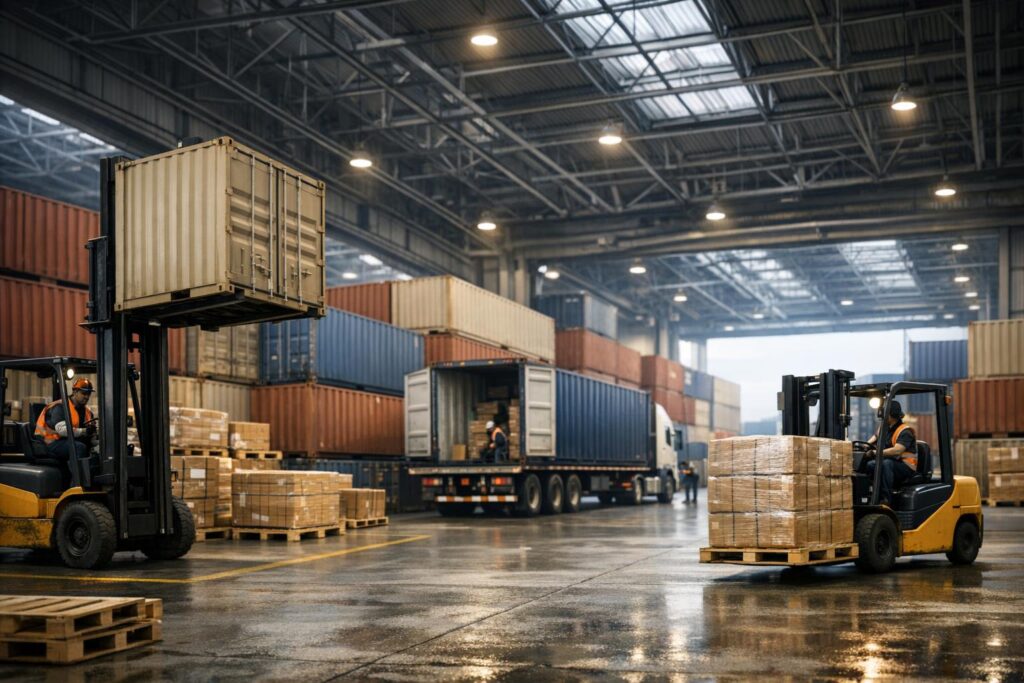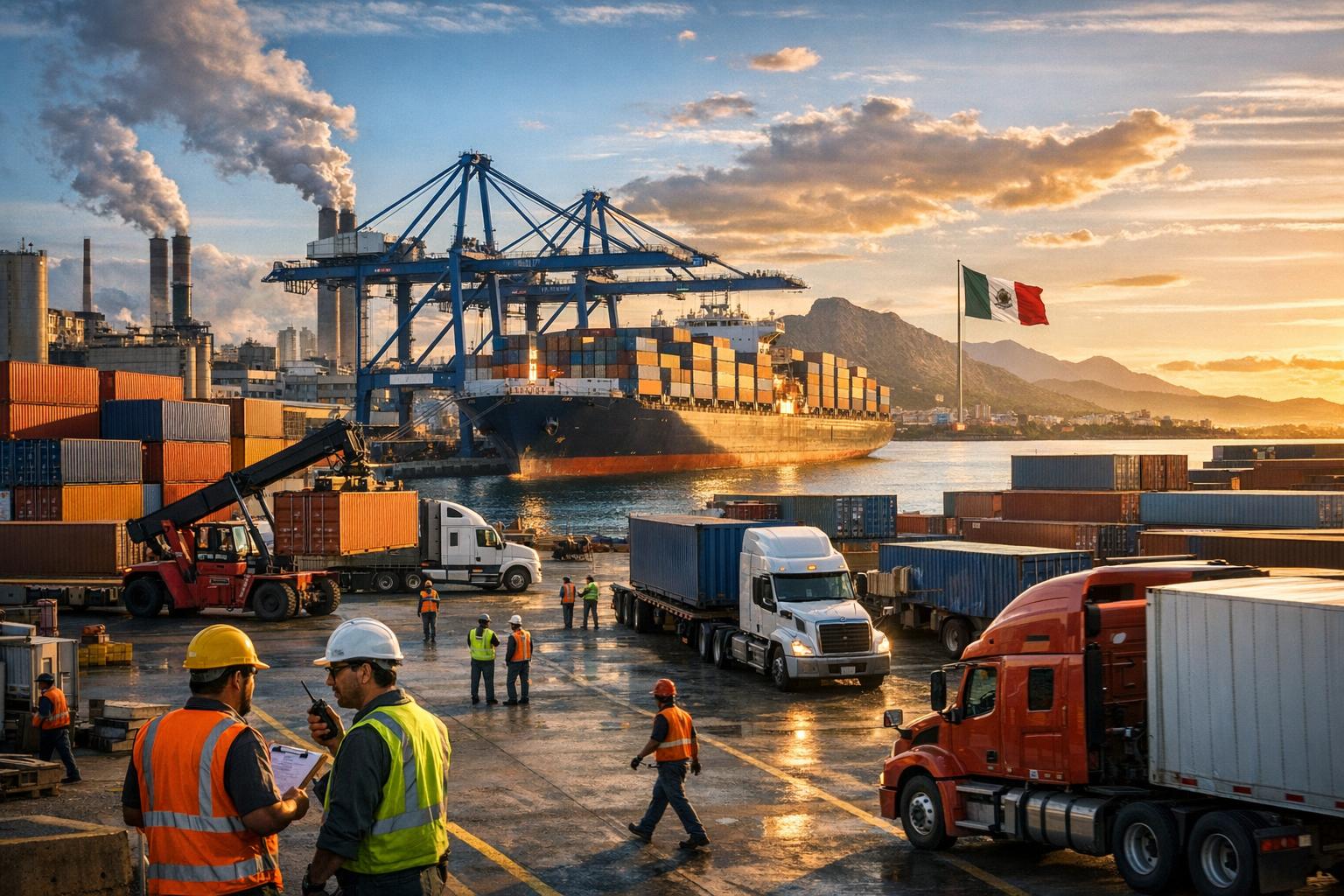
We are committed to explaining how free trade zones work in Mexico and the advantages they offer to businesses. Understanding this framework is crucial for those looking to optimize operations and take advantage of Mexico’s strategic economic policies.
These zones enhance competitiveness by promoting manufacturing, exports, and foreign investment while offering tax and operational benefits.
Let’s explore the concept of free trade zones, their practical mechanisms, and why they represent valuable gateways for companies interacting with Mexico’s export and manufacturing industries.
- Free trade zones in Mexico provide exemptions from import duties and VAT on goods used in manufacturing or export processes.
- The IMMEX program is a key regulatory framework governing many of these zones, supporting manufacturing and export businesses.
- Companies registered under IMMEX or located within free trade zones benefit from streamlined customs processes and fiscal incentives.
- These zones accelerate logistics and improve cost-efficiency for international trade.
- Established manufacturing centers, such as Nuevo León, lead in IMMEX registrations, showcasing regional strengths.
- Recent modifications in regulations have aimed to balance operational flexibility with security and tax compliance.
- We see free trade zones as vital for Mexico’s growing export-oriented economy and its integration into global supply chains.
What Are Free Trade Zones in Mexico?
Free trade zones (FTZs) in Mexico are designated areas where companies can import, manufacture, and export goods without being subject to typical customs tariffs and taxes. These zones aim to attract foreign investment and encourage industrial development.
Legal and Operational Framework
At the heart of Mexico’s FTZs is the IMMEX program (Industria Manufacturera, Maquiladora y de Servicios de Exportación). This government initiative allows firms to bring in raw materials, machinery, and equipment temporarily, duty-free, as long as the finished goods are exported.
We understand that this temporary import suspension is pivotal for cost savings and gives companies competitive advantages under international trade.
Types of Activities Covered
Within FTZs, businesses engage in manufacturing, assembly, repair, and other export-related services. The focus is on adding value to imported inputs before these products leave the country.
Key Benefits of Operating in Mexico’s Free Trade Zones
Choosing to operate within these zones provides several practical benefits that help businesses thrive in the global market.
1. Fiscal Incentives and Reduced Costs
Companies avoid import duties and value-added tax (VAT) on inputs, which can significantly reduce production costs. Additionally, some regions offer local incentives based on state policies.
2. Simplified Customs Procedures
Free trade zones come with streamlined customs processes. We find that goods move faster through customs checkpoints, reducing lead times and improving delivery schedules.
3. Enhanced Global Trade Integration
Mexico’s FTZs integrate seamlessly with trade agreements such as USMCA, enabling businesses to access the North American market competitively.
4. Employment and Regional Economic Growth
According to recent data, states like Nuevo León lead in IMMEX registrations with over 700 establishments, exemplifying how FTZs stimulate job creation and industrial development.
How Does the IMMEX Program Facilitate FTZ Operations?
The IMMEX program is central to Mexico’s free trade zones. It permits companies to import merchandise temporarily for manufacturing and exporting without paying duties or VAT immediately.
Essential Requirements
- Registering with Mexico’s Tax Administration Service (SAT).
- Maintaining detailed accounting of imports and exports.
- Committing to exporting at least 90% of the total merchandise processed.
Recent Regulatory Changes
In late 2024, the government modified IMMEX rules to enhance controls without undermining operational efficiency. An expert in trade logistics noted, “The balance between compliance and flexibility is key to sustaining Mexico’s manufacturing competitiveness.” These adjustments reflect the efforts to tighten oversight while supporting industry growth.
Regional Highlights: IMMEX Growth and Free Trade Zones Across Mexico
Regional development within free trade zones varies, with northern states playing significant roles.
Nuevo León as a Leader
According to INEGI statistics from 2025, Nuevo León excels in IMMEX activity with 741 establishments registered. This concentration shows the state’s prominence in export manufacturing and its targeted growth strategy.
Broader National Impact
While Nuevo León shows strong leadership, other regions contribute actively to the free trade zone framework, fostering balanced national economic development.
Logistical Advantages of Utilizing Free Trade Zones
Free trade zones reduce friction in supply chains, something we view as critical for maintaining global competitiveness.
Reducing Shipping and Handling Costs
With duty exemptions and tariff deferments, companies can plan shipments more efficiently. For businesses seeking further insights into cost-saving logistics, resources like Strategies for Reducing Shipping Costs in International Freight offer valuable guidance.
Speeding Up Customs Clearance
By operating in FTZs, customs processes are expedited, minimizing delays. We often recommend leveraging these zones for export-driven companies needing fast turnaround times.
Enhancing Inventory and Production Flexibility
The ability to stockpile materials without immediate tariffs allows more agile responses to market demand fluctuations, which is vital in today’s dynamic trade environment.
Challenges and Considerations When Operating in Mexico’s Free Trade Zones
Despite their advantages, managing operations within FTZs requires careful attention to regulations and compliance.
Compliance with Customs and Tax Authorities
Maintaining transparency in import-export records is non-negotiable. Penalties for non-compliance can include fines or loss of program benefits.
Adaptation to Changing Regulations
We recognize that regulatory environments evolve, as seen with recent IMMEX updates, requiring ongoing monitoring and adaptation by companies.
Integration with Corporate Strategies
Success in FTZs depends on aligning benefits with broader business goals like supply chain optimization and export markets.
Conclusion
In summary, free trade zones in Mexico offer a robust framework that fosters industrial growth, enhances trade competitiveness, and enables fiscal benefits. We believe leveraging FTZs is a strategic move for companies involved in manufacturing and exports.
Considering the latest industry data and regulatory trends, integrating free trade zone benefits wisely can streamline operations and expand international reach. For those seeking deeper operational efficiency, exploring services like those offered at BrokerMX can provide practical solutions that complement FTZ advantages.
FAQ
What is the primary function of free trade zones in Mexico?
Free trade zones allow companies to import goods temporarily without paying duties or taxes, provided the products are processed and exported, supporting manufacturing and export growth.
How does the IMMEX program relate to free trade zones?
IMMEX is the main regulatory mechanism that governs operations within free trade zones, enabling companies to defer taxes during manufacturing for export.
Which Mexican states are most active in free trade zone manufacturing?
Northern states, especially Nuevo León, lead with the highest number of IMMEX registrations and export manufacturing activities.
What benefits can companies expect when operating in free trade zones?
Key benefits include exemptions from import duties, VAT suspension, streamlined customs, and logistical efficiencies that reduce costs and processing times.
Are there any risks or challenges in using free trade zones?
Yes, companies must comply rigorously with customs and tax regulations and stay updated on legal changes to avoid fines and maintain eligibility.
Can free trade zones impact job creation in Mexico?
Absolutely. These zones stimulate employment by attracting manufacturing industries that rely on export processing and assembly services.
We invite you to deepen your understanding of logistics and import/export processes by visiting articles like How to Navigate Mexico’s Import Licensing Requirements and Understanding Mexico’s Customs Valuation Rules, which complement the framework of free trade zones.