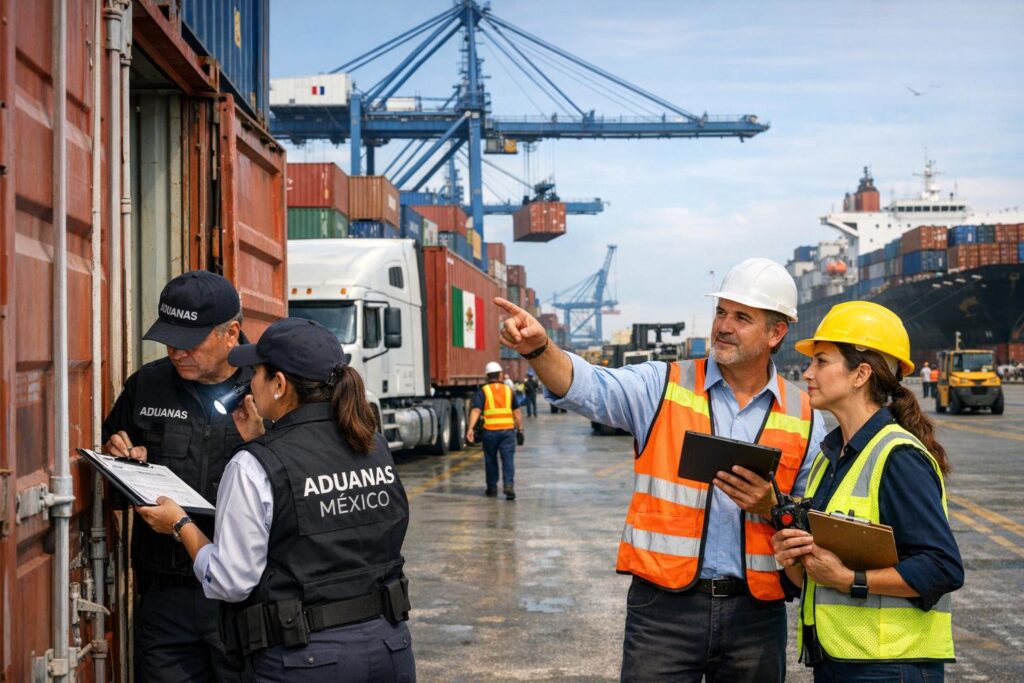
Navigating the Complexities of International Trade: Ensuring Compliance with Anti-Dumping Duties and Safeguards
As the global economy continues to evolve, companies engaging in cross-border trade must navigate an increasingly complex web of regulations and compliance requirements. One of the most critical aspects of international trade compliance is understanding and adhering to anti-dumping duties and safeguards. In this article, we’ll explore the intricacies of these trade measures and provide insights on how businesses can ensure compliance, minimize risks, and capitalize on opportunities in the global marketplace. By partnering with experts like Broker MX (https://brokermx.com), companies can streamline their international trade operations and stay ahead of the competition.
Understanding Anti-Dumping Duties
Anti-dumping duties are tariffs imposed on imported goods that are deemed to be sold at unfairly low prices, potentially harming domestic industries. The primary goal of anti-dumping measures is to protect local manufacturers and ensure fair competition. To comply with anti-dumping regulations, businesses must understand the procedures and calculations involved in determining these duties.
Some key aspects of anti-dumping duties include:
- Investigations: Governments conduct investigations to determine whether imported goods are being sold at dumped prices.
- Calculations: Anti-dumping duties are typically calculated based on the difference between the export price and the normal value of the goods.
- Imposition of duties: If dumping is confirmed, duties are imposed on the imported goods to offset the unfair pricing.
The Role of Safeguards in International Trade
Safeguards are temporary measures implemented to protect domestic industries from a surge in imports, which can cause or threaten to cause serious injury. Unlike anti-dumping duties, safeguards are not necessarily related to unfair trade practices. Instead, they are designed to provide a temporary reprieve for local industries facing an unexpected influx of imports.
Some key characteristics of safeguards include:
- Temporary nature: Safeguards are typically imposed for a limited period, allowing domestic industries to adjust to the new market conditions.
- Non-discriminatory: Safeguards are applied to all imports of the specific product, regardless of the country of origin.
- WTO notification: Members of the World Trade Organization (WTO) are required to notify the organization when imposing safeguards.
Ensuring Compliance with Anti-Dumping Duties and Safeguards
To navigate the complexities of anti-dumping duties and safeguards, businesses must be proactive and informed. The following best practices can help ensure compliance:
- Stay up-to-date with regulatory changes: Regularly monitor updates on anti-dumping duties and safeguards in relevant markets.
- Conduct thorough market research: Understand the competitive landscape and pricing dynamics in the target market.
- Engage with trade experts: Partner with experienced professionals, like those at Broker MX (https://brokermx.com), to guide you through the compliance process.
Benefits of Partnering with Broker MX
By partnering with Broker MX, businesses can tap into a wealth of expertise in international trade compliance. Some benefits of working with Broker MX include:
- Expert guidance: Receive personalized support and guidance on navigating anti-dumping duties and safeguards.
- Compliance assurance: Ensure that your business is meeting all relevant regulatory requirements.
- Risk minimization: Mitigate the risks associated with non-compliance, such as fines and reputational damage.
Frequently Asked Questions (FAQs)
Q: What are anti-dumping duties, and how are they imposed?
A: Anti-dumping duties are tariffs imposed on imported goods sold at unfairly low prices. They are typically imposed after a government investigation confirms dumping.
Q: How do safeguards differ from anti-dumping duties?
A: Safeguards are temporary measures to protect domestic industries from a surge in imports, whereas anti-dumping duties are specifically designed to address unfair pricing practices.
Q: How can Broker MX assist with international trade compliance?
A: Broker MX provides expert guidance and support to help businesses navigate the complexities of anti-dumping duties and safeguards, ensuring compliance and minimizing risks.
Q: Why is it essential to stay up-to-date with regulatory changes in international trade?
A: Staying informed about regulatory updates helps businesses adapt to changing market conditions, avoid potential pitfalls, and capitalize on new opportunities.
By understanding the intricacies of anti-dumping duties and safeguards, businesses can better navigate the complexities of international trade. Partnering with experts like Broker MX can provide the necessary guidance and support to ensure compliance, minimize risks, and drive success in the global marketplace.