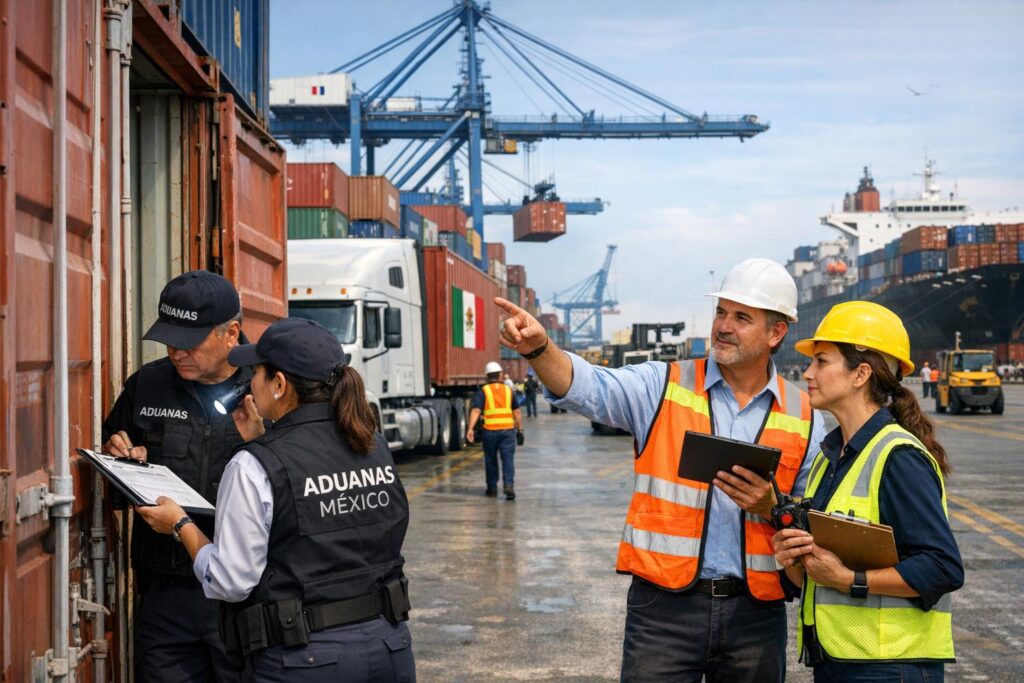
We understand the importance of differentiating between freight forwarders and customs brokers in the context of international trade in Mexico. Both roles are vital but serve unique purposes. This article clarifies their responsibilities and how they complement each other in facilitating smooth import and export operations nationwide.
- Freight forwarders coordinate global cargo transportation across multiple modes.
- Customs brokers specialize in customs clearance and regulatory compliance.
- Freight forwarders arrange logistics including packaging, insurance, and storage.
- Customs brokers classify goods, calculate duties, and prepare legal documentation.
- Both work closely but operate under different licenses and regulations.
- Understanding their roles can optimize international shipping efficiency.
What Does a Freight Forwarder Do in Mexico?
Comprehensive Logistics Coordination
We see freight forwarders as the strategic planners behind cargo movement. They never usually move the goods themselves but contract with carriers like trucking companies, airlines, shipping lines, or rail operators. Their job involves coordinating multimodal transport to ensure shipments arrive safely and timely.
Handling Documentation and Transportation Arrangements
The forwarder’s role includes preparing necessary shipping documents, booking cargo space, negotiating freight rates, and offering packaging recommendations. They also may arrange cargo insurance and warehousing solutions, covering all logistical facets from origin to destination.
Benefits of Using a Freight Forwarder
- Access to global carrier networks and capacity management
- Expertise in supply chain planning for complex international routes
- Cost-effective and efficient logistics solutions tailored to your needs
Roles and Responsibilities of a Customs Broker in International Trade
Customs Clearance and Regulatory Expertise
We recognize customs brokers as licensed professionals who act as intermediaries between importers and government agencies such as Mexican Customs (Servicio de Administración Tributaria – SAT). Their expertise centers on ensuring shipments comply with national import regulations.
Tariff Classification and Duty Calculation
A key duty of the customs broker is to accurately classify goods under the Harmonized System tariff codes. This classification affects the applicable tariffs and taxes. Brokers calculate duties owed and assist in minimizing cost risks through legitimate customs valuation strategies.
Managing Documentation for Compliance
Customs brokers prepare and submit entry documents, including commercial invoices, packing lists, certificates of origin, and licenses required for controlled goods. This process reduces delays and penalties at the border.
Differences Between Freight Forwarders and Customs Brokers
| Aspect | Freight Forwarder | Customs Broker |
| Primary Function | Logistics and transportation arrangement | Customs clearance and regulatory compliance |
| Licensing | Not necessarily licensed by customs authorities | Must be licensed by Mexican customs authorities |
| Scope | Manages shipment from origin to destination | Focuses on border clearance and documentation |
| Documentation | Shipping and transport-related | Customs entry filings and declarations |
How Freight Forwarders and Customs Brokers Collaborate
In Mexico’s international trade environment, we observe that these two professionals complement each other. Freight forwarders often recommend trusted customs brokers to handle border clearance. Working in tandem, they streamline the entire shipping process, reduce delays, and ensure regulatory compliance.
Integrated Import and Export Solutions
By combining the forwarding services of a freight forwarder with the customs expertise of a broker, businesses can handle complex shipping challenges more confidently. This partnership ensures proper documentation, tariff management, and efficient cargo movement for a seamless trade experience.
Legal and Regulatory Framework Affecting Customs Brokers and Freight Forwarders in Mexico
We acknowledge that customs brokers operate under strict regulations set by Mexican customs authorities, requiring official certification and knowledge of the latest laws. Freight forwarders, while less regulated, must comply with international shipping norms, carrier agreements, and logistics safety standards.
The importance of staying current was highlighted by an expert in international trade compliance, who said, “Understanding the nuances between freight forwarding and customs brokerage is key to avoiding costly clearance delays and penalties in global shipments.” This insight underscores why these specialized roles are indispensable.
Why Choosing the Right Freight Forwarder and Customs Broker Matters
We have witnessed that choosing competent partners in freight forwarding and customs brokerage reduces errors, avoids regulatory breaches, and optimizes supply chain efficiency. They also help with risk management such as handling perishable goods, hazardous materials, or high-value items requiring specific controls.
Additional Considerations for Importers and Exporters in Mexico
Compliance With Import Licensing and Documentation
Ensuring import licenses and certificates are in place is crucial. Customs brokers play a vital role here, but freight forwarders can guide the process too. For more detail on licensing, we recommend checking How to Navigate Mexico’s Import Licensing Requirements.
Cost Management Strategies in International Freight
A coordinated effort between freight forwarders and customs brokers can impact the overall cost structure. Freight forwarding focuses on negotiating favorable freight rates, while customs brokers ensure duties and taxes are accurately assessed to avoid overpayments. Insights on these tactics can be found in Strategies for Reducing Shipping Costs in International Freight.
Technological Advancements Used by Freight Forwarders and Customs Brokers
We keep up with industry trends where digital platforms, tracking systems, and electronic data interchange (EDI) streamline communications. These technologies enhance the accuracy of documentation and provide transparency in shipment status, enhancing customer satisfaction nationwide.
Conclusion
We believe that understanding the distinct yet interrelated roles of freight forwarders and customs brokers allows Mexican businesses to optimize their cross-border trade. These professionals provide specialized expertise that reduces risks and improves efficiency. For companies seeking expert support in freight and customs operations, we recommend exploring solutions offered by BrokerMX, a leader in comprehensive trade facilitation.
FAQ
- What is the main difference between a freight forwarder and a customs broker?
A freight forwarder organizes the transportation of goods internationally, while a customs broker specializes in clearing goods through customs by managing tariffs, duties, and compliance. - Do I always need both a freight forwarder and a customs broker?
Not necessarily, but using both professionals often ensures smoother logistics and compliance in international shipping. - Can freight forwarders handle customs clearance?
Generally, no. Customs clearance requires licensed customs brokers who understand regulatory procedures. - How do customs brokers calculate duties and taxes?
They classify goods under specific tariff codes and apply the correct duty rates based on Mexican customs regulations. - Are freight forwarders and customs brokers regulated differently?
Yes, customs brokers must be certified by customs authorities, while freight forwarders operate under commercial logistics regulations.
For businesses looking to optimize their international shipping and customs clearance processes, partnering with experienced freight forwarders and customs brokers is essential. Visit BrokerMX to learn more about how expert collaboration can streamline your cross-border operations and help you navigate Mexico’s complex import and export landscape.