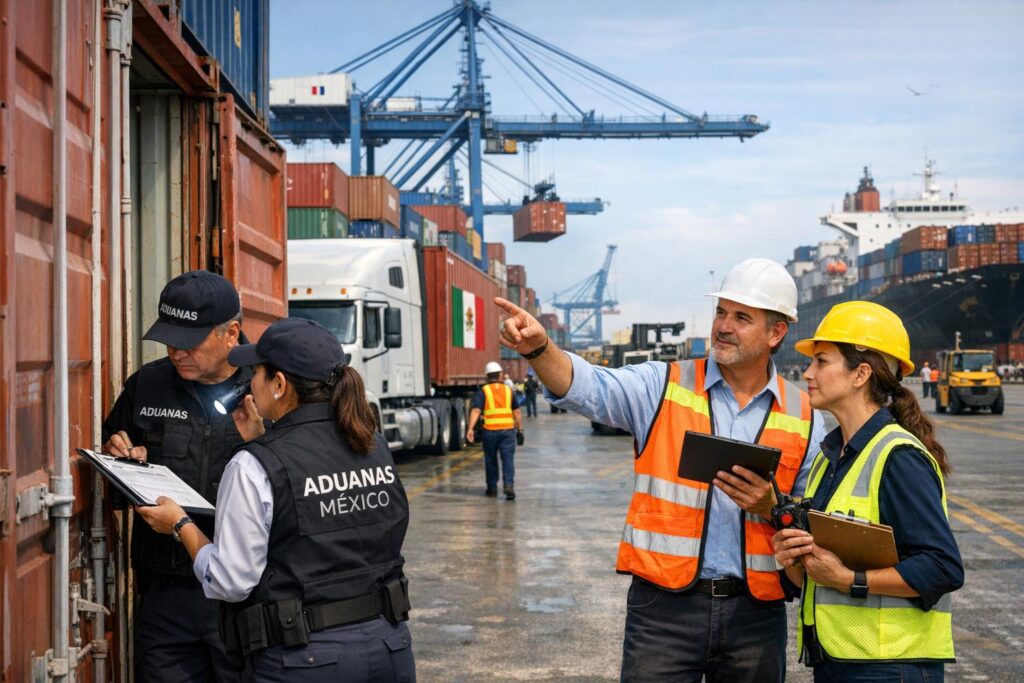
We understand the critical role Incoterms play in facilitating smooth and efficient international trade across Mexico. They provide clarity on responsibilities between buyers and sellers, ensuring transactions proceed without misunderstandings. Today, we will explore how Incoterms influence Mexican trade and international business processes.
- Incoterms define the obligations and risks for buyers and sellers in goods delivery.
- There are 11 Incoterms rules in the 2020 version, categorized by transport modes.
- In Mexico, Incoterms must be incorporated precisely into contracts to avoid legal ambiguities.
- Understanding each Incoterm helps optimize costs, logistics, and customs compliance.
- Incoterms are essential for businesses leveraging free trade agreements in Mexico.
- They impact transport organization, insurance, customs clearance, and risk transfer.
- Knowledge of Incoterms complements other trade regulations like USMCA and tariff classifications.
What Are Incoterms and Why Do They Matter in Mexico?
Definition and Purpose
Incoterms, short for International Commercial Terms, are internationally recognized standard trade terms published by the International Chamber of Commerce (ICC). They set uniform rules that clarify the responsibilities of sellers and buyers regarding the delivery of goods. This includes who pays for freight, insurance, customs clearance, and who assumes risk at each stage.
The Legal Status of Incoterms in Mexico
Although Incoterms do not have the force of law, they become legally binding once incorporated into the sales contract. Mexican companies must explicitly agree on the applicable Incoterms rule in the contract to avoid disputes. As the ICC states, “For them to receive legal effect, they must be explicitly incorporated by the parties into their agreements.” Precision in naming the term, place, and version, like “FCA Mexico City Incoterms 2020,” is essential.
The 11 Incoterms 2020 Rules and Their Application in Mexican Trade
General vs. Maritime Specific Terms
Incoterms 2020 include 11 rules divided into two groups: those applicable to all transport modes and those specific to maritime and inland waterway transport. In Mexico’s extensive import and export operations via sea, air, and land, selecting the correct term is vital.
| Incoterms for Any Transport Mode | EXW, FCA, CPT, CIP, DAP, DPU, DDP |
| Maritime and Inland Waterway Transport Only | FAS, FOB, CFR, CIF |
Examples of Usage in Mexican Trade
For instance, FOB (Free On Board) is widely used in Mexican exports by sea, dictating that sellers deliver goods on board the vessel and risk transfers at that point. Conversely, DDP (Delivered Duty Paid) puts maximum responsibility on the seller, including customs duties and taxes – common when Mexican companies import goods and prefer sellers to manage the entire delivery process.
Incorporating Incoterms in International Contracts
How to Correctly Add Incoterms
In Mexico, it’s crucial that contracts specify Incoterms precisely: term + place + Incoterms version (e.g., CIF Veracruz Incoterms 2020). This clarity prevents legal disputes and operational delays.
Common Mistakes to Avoid
- Omitting the specific place or port
- Using outdated Incoterms versions
- Failing to clarify responsibility for customs clearance
Ensuring contracts clearly state these details helps Mexican companies streamline logistics while minimizing risks.
How Incoterms Impact Costs, Risks, and Responsibilities
Cost Distribution
Incoterms define which party pays for transport, insurance, and customs duties. For example, under EXW (Ex Works), the buyer bears almost all costs, while DDP places the financial burden on the seller.
Transfer of Risk
Risks pass from seller to buyer at different points depending on the term. This affects insurance needs and liability management — critical considerations in Mexican trading environments given geographical and infrastructural factors.
Leveraging Incoterms with Mexican Trade Agreements
Relationship with USMCA
Incoterms complement trade agreements like the USMCA by defining contract conditions but do not replace tariff or customs regulations. Working with both Incoterms and the USMCA ensures compliance and cost-effectiveness. For further detail on trade regulations, we recommend exploring Understanding Tariff Classifications Under USMCA.
Using Incoterms to Optimize Imports and Exports
Mexican companies can leverage Incoterms to negotiate better terms, choose suitable delivery logistics, and avoid unexpected customs delays. This is especially important for industries with complex supply chains, such as automotive or electronics sectors. For instance, Importing Electronics into Mexico requires careful attention to Incoterms to manage responsibilities efficiently.
Expert Insight on the Role of Incoterms in Global Trade
As one ICC expert notes, “Incoterms provide a universal language for international trade, reducing misunderstandings and facilitating smoother contracts, especially in diverse markets like Mexico.” We fully agree that a strong grasp of these rules is indispensable for businesses involved in international commerce from Mexico.
Conclusion
From our experience, mastering Incoterms is fundamental to successful Mexican trade operations. They provide clarity on obligations, help control costs, and mitigate risks inherent in moving goods internationally. Businesses in Mexico benefit greatly by integrating Incoterms knowledge into contracts and logistics planning. At BrokerMX, we encourage all traders to deepen their understanding of both Incoterms and related trade regulations to grow confidently in global markets.
FAQ
What are Incoterms and who publishes them?
Incoterms are international trade terms published by the International Chamber of Commerce (ICC) to standardize buyer and seller responsibilities in goods delivery.
How do Incoterms affect responsibilities in Mexican trade?
They determine who pays for transport, insurance, and who assumes risk at specific points during shipment, which is crucial for contracts in Mexico.
Which Incoterms are most commonly used in Mexico?
FOB, CIF, DDP, and EXW are widely used depending on shipment mode and whether Mexico is importing or exporting.
Are Incoterms legally binding in Mexico?
They are binding only if explicitly incorporated into contracts. Otherwise, they serve as guidelines without legal enforceability.
How do Incoterms complement trade agreements like USMCA?
Incoterms define delivery obligations and risks, while agreements like USMCA govern tariffs and customs rules, together ensuring compliance and cost control.
Ready to Master International Trade?
We invite you to explore our resources and expert guides at BrokerMX to optimize your import and export processes across Mexico with a comprehensive understanding of Incoterms and trade regulations.