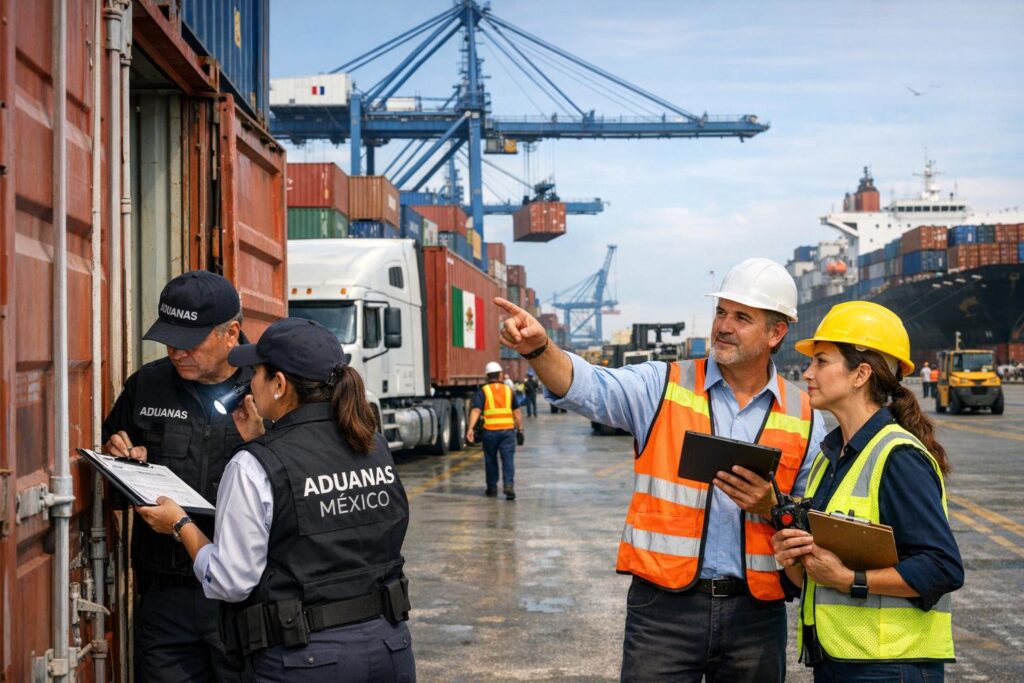
When importing goods into Mexico, one of the most critical steps is establishing the correct customs value. A mis‑calculated valuation can lead to unexpected duties, penalties, or shipment delays. This guide demystifies the two primary valuation methods—Ad Valorem and Transaction Value—while highlighting how professional assistance from Broker MX can keep your supply chain running smoothly.
Why Customs Valuation Matters for International Trade
- Duty calculation: Customs duties and taxes are directly tied to the declared value of the merchandise.
- Legal compliance: Accurate valuation satisfies the Mexican Tax Administration Service (SAT) and avoids costly audits.
- Cash‑flow management: Predictable duties enable better budgeting and pricing strategies for distributors.
Key Legal Framework
Mexico’s customs valuation is governed by the Customs Law (Ley Aduanera) and the Regulation of the Customs Law (Reglamento de la Ley Aduanera). Both reference the World Trade Organization’s (WTO) Agreement on Customs Valuation, which establishes a hierarchy of methods to determine the “transaction value.”
1. Transaction Value – The Preferred Method
The transaction value is the price actually paid or payable for the goods when they are sold for export to Mexico, adjusted for certain costs and taxes. This method is used in approximately 85% of cases because it reflects the true market price.
Components of Transaction Value
- Price paid: The invoice amount in the currency of the transaction.
- Freight and insurance: Costs incurred up to the point of importation (CIF).
- Packaging costs: If the seller charges for special packaging.
- Royalty and license fees: Fees related to intellectual property used in the product.
- Assists: Materials, components, or services supplied by the buyer free of charge or at a reduced cost.
When Transaction Value Cannot Be Applied
If any of the following conditions exist, customs officials may reject the transaction value and move to the next method in the hierarchy:
- Related‑party transactions where the relationship influences price.
- Insufficient documentation to verify the price paid.
- Discrepancies between the invoice and the actual market price of similar goods.
2. Ad Valorem – An Alternative Approach
“Ad valorem” refers to a duty calculated as a percentage of the customs value. While the term often describes the duty rate itself, in the context of valuation it can also refer to the use of a “deductive” method when the transaction value is unavailable.
Ad Valorem Valuation Methods
- Computed Value: Uses the cost of production, profit, and general expenses.
- Deductive Value: Starts with the unit price at which the imported goods are sold in Mexico, then subtracts transport, commissions, and other costs.
- Fallback (Residual) Value: Based on the value of identical or similar goods exported to other countries.
When to Expect an Ad Valorem Assessment
Customs may resort to these methods if:
- The transaction is between related parties without arm‑length pricing.
- There is no invoice or the invoice is deemed unreliable.
- The goods are being imported for personal use and lack commercial documentation.
Step‑by‑Step Process to Determine the Correct Valuation
- Gather Documentation: Commercial invoice, packing list, bill of lading, certificates of origin, and any contracts.
- Identify the Valuation Method: Start with transaction value; evaluate if conditions for rejection apply.
- Calculate Adjustments: Add freight, insurance, packaging, royalties, and assists to the base price.
- Apply the Correct Duty Rate: Use the ad valorem percentage from the Mexican Tariff (Arancel de Aduanas) for the specific HS code.
- Submit the Valuation: Include a detailed customs declaration via the Pedimento, supported by all required documents.
- Maintain Records: Keep all supporting paperwork for at least five years for SAT audits.
Common Pitfalls and How to Avoid Them
- Ignoring Assist Items: Forgetting to declare free components can trigger duty adjustments.
- Mismatched Currency Conversions: Use the official exchange rate on the date of import, not a favorable market rate.
- Under‑declaring Value: May lead to penalties up to 200% of the duty owed.
- Over‑reliance on Approximate Valuations: Always request a professional opinion when documentation is incomplete.
Benefits of Partnering with Broker MX
Navigating Mexico’s customs valuation rules can be daunting, especially for businesses that operate across multiple jurisdictions. Broker MX offers a full suite of services designed to simplify this process:
- Expert Valuation Support: Certified customs brokers analyze invoices, assists, and ancillary costs to ensure the correct method is applied.
- Compliance Assurance: Broker MX stays up‑to‑date with SAT regulations, minimizing the risk of audits and penalties.
- End‑to‑End Documentation Management: From commercial invoices to certificates of origin, the team prepares and validates every required document.
- Cost Optimization: By accurately applying the most favorable valuation method, Broker MX helps reduce duty expenses and improve cash flow.
- Rapid Clearance: Leveraging established relationships with Mexican customs officials, the firm can expedite the Pedimento filing process.
Case Study: Reducing Duty Costs by 12% Through Accurate Valuation
A North‑American electronics manufacturer imported $2 million worth of components into Mexico. Initial estimates based on a fallback ad valorem method projected duties of $180,000. Broker MX conducted a detailed transaction‑value analysis, identified several assist items, and correctly applied the computed‑value method. The final duty liability dropped to $158,000—a savings of $22,000 (12%). The client avoided a potential audit and gained confidence in future shipments.
Key Takeaways
- Transaction value is the primary, preferred method; use it whenever reliable documentation exists.
- Ad valorem methods serve as fallback options and may increase duty liability if not applied correctly.
- Thorough record‑keeping and accurate adjustments are essential for compliance.
- Engaging a professional customs broker like Broker MX can prevent costly errors and streamline the import process.
Frequently Asked Questions (FAQ)
- What is the difference between “ad valorem” duty and “ad valorem” valuation?
- Ad valorem duty refers to a tax expressed as a percentage of the customs value (e.g., 10% of the declared value). In valuation, ad valorem methods are alternative calculations (computed, deductive, fallback) used when the transaction value cannot be applied.
- Can I use the transaction value if the buyer and seller are related companies?
- Yes, but only if the price reflects an arm‑length transaction and all required documentation is available. If the SAT suspects price manipulation, they may reject the method and move to a deductive or computed value.
- How are “assist” items valued?
- Assist items are valued at their fair market price, not the zero or reduced price they might have been provided for. They must be added to the customs value as part of the transaction value calculation.
- What exchange rate should I use for the customs declaration?
- Use the official SAT exchange rate published for the day of importation. Broker MX can retrieve and apply the correct rate automatically.
- What are the penalties for undervaluing goods?
- Penalties can range from 25% to 200% of the unpaid duty, plus interest and possible seizure of the merchandise. Accurate valuation with a trusted broker mitigates this risk.
- How does Broker MX help with customs valuation?
- Broker MX provides a dedicated customs specialist who reviews all import documents, determines the most advantageous valuation method, ensures proper adjustments, and files the Pedimento with the SAT on your behalf.
- Do I need to retain valuation records indefinitely?
- The SAT requires that all customs documentation, including valuation support, be retained for at least five (5) years from the date of import.
Understanding Mexico’s customs valuation rules is not just a regulatory requirement; it’s a strategic advantage that can lower costs and protect your business from compliance risks. By leveraging the expertise of Broker MX, you gain a partner who turns complex customs procedures into a seamless part of your supply chain.