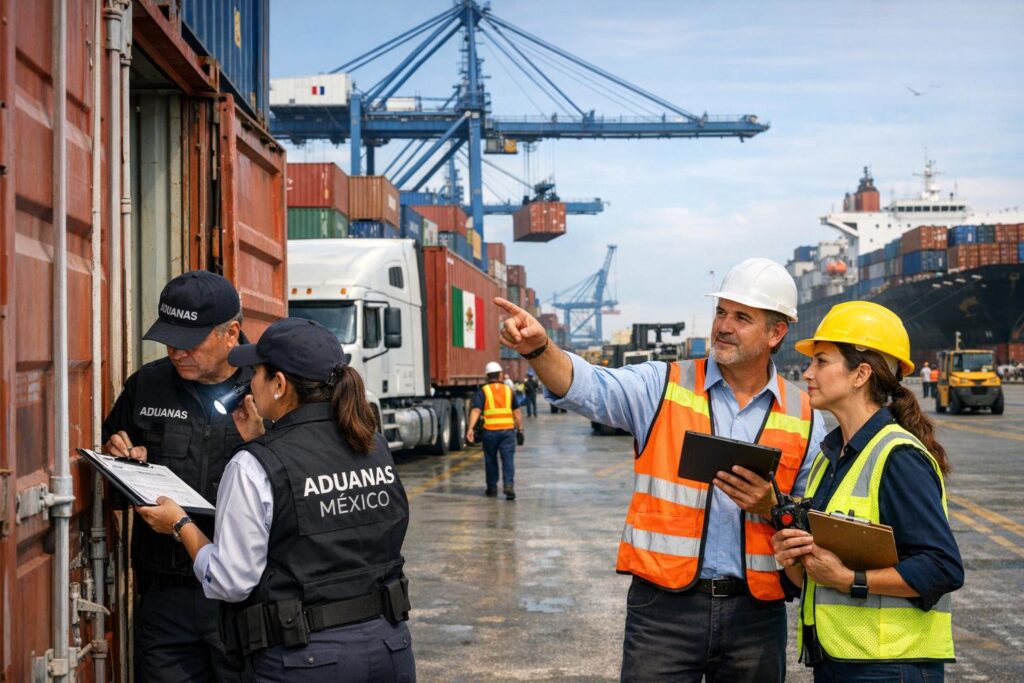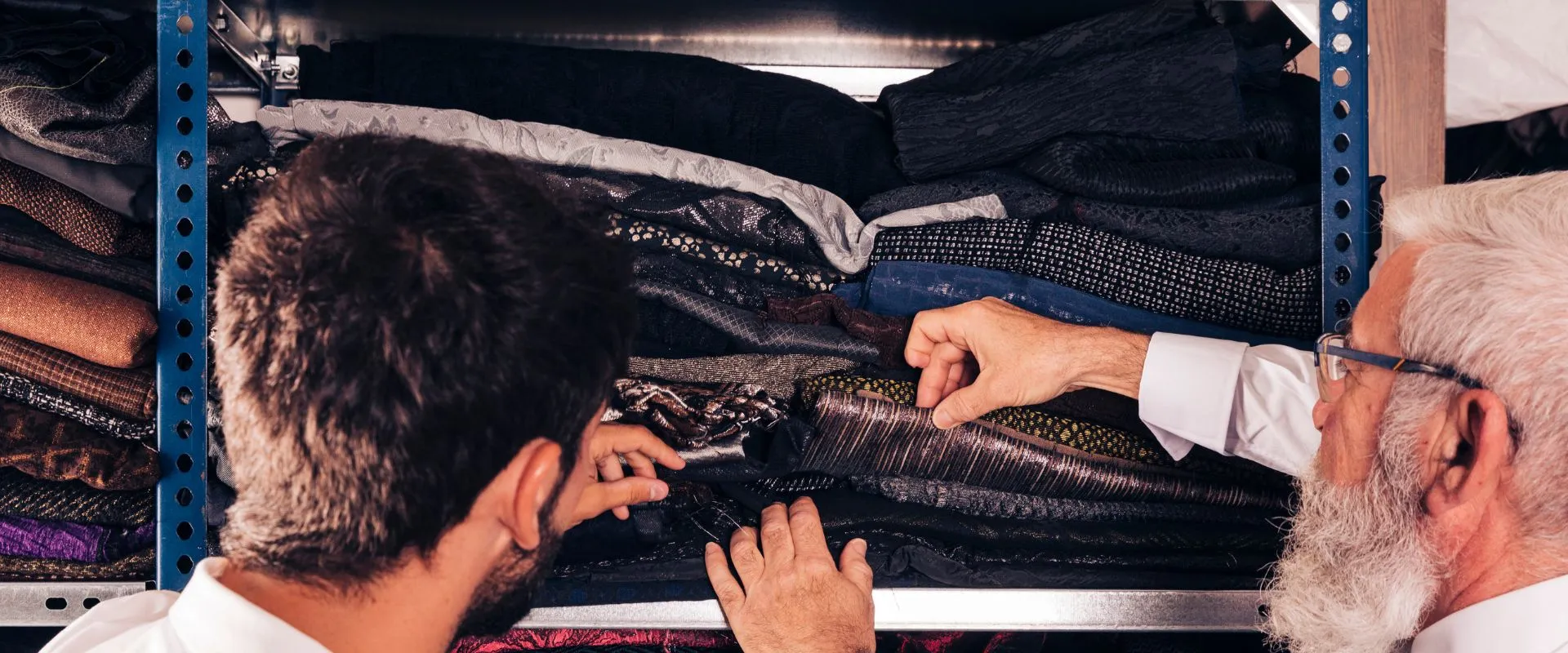
Mexico has become one of the most dynamic markets for textile products in Latin America, thanks to its strategic location, growing middle class, and participation in multiple free‑trade agreements. However, navigating the maze of customs duties, regulations, and compliance requirements can be daunting for newcomers. This guide breaks down the key tariff and non‑tariff obstacles you’ll face when importing textiles into Mexico and shows how partnering with a seasoned customs broker like Broker MX can turn potential roadblocks into smooth, cost‑effective transactions.
1. Understanding Tariffs on Textile Imports
Tariffs are the most visible cost associated with cross‑border trade. In Mexico, they are determined by the Harmonized System (HS) code, the origin of the goods, and the applicable trade agreement.
1.1. HS Classification for Textiles
The HS system groups textiles under chapters 50‑63. Accurate classification is critical because a single digit error can change the duty rate dramatically.
- Chapter 50: Silk
- Chapter 51: Wool, fine or coarse animal hair
- Chapter 52: Cotton
- Chapter 53: Other vegetable fibers
- Chapter 54‑63: Man‑made fibers, knitted or crocheted garments, apparel accessories, etc.
1.2. General Duty Rates
Mexico’s Most‑Favored‑Nation (MFN) tariff schedule applies to countries without a preferential agreement. Typical MFN rates for textiles range from 0% to 20%:
- Raw cotton (HS 5201): 0% – 5%
- Knitted garments (HS 6001‑6109): 5% – 15%
- Finished apparel (HS 6201‑6215): 6% – 20%
- Technical textiles (HS 6301‑6305): 0% – 12%
1.3. Preferential Tariffs Through Trade Agreements
Mexico’s participation in agreements such as USMCA (formerly NAFTA), the European Union–Mexico Free Trade Agreement, and the Comprehensive and Progressive Agreement for Trans‑Pacific Partnership (CPTPP) can reduce or eliminate duties. Eligibility requires:
- Proof of origin (e.g., Certificate of Origin)
- Compliance with specific rules of origin (e.g., regional value content)
- Adherence to any supplemental requirements (e.g., labeling)
2. Non‑Tariff Barriers (NTBs) You Must Anticipate
While tariffs are a direct cost, NTBs can cause delays, extra paperwork, or even rejection of shipments. In Mexico, the most common NTBs affecting textiles include:
2.1. Technical Regulations & Standards
- NOM (Normas Oficiales Mexicanas): Mandatory product standards covering fire safety, labeling, and chemical composition.
- Labeling requirements: Country of origin, fiber content, care instructions, and RN (Registro de Marca) for certain products.
2.2. Sanitary and Phytosanitary (SPS) Measures
Textiles that contain animal or plant fibers may be subject to SPS inspections to prevent the introduction of pests or diseases.
- Certificates of treatment for wool or silk
- Phytosanitary certificates for cotton and other plant‑based fibers
2.3. Import Licensing & Quotas
Although most textile categories are not quota‑restricted, certain high‑value or strategic fabrics (e.g., technical textiles for defense) may require an import license from the Secretaría de Economía.
2.4. Anti‑Dumping and Countervailing Duties
If a foreign producer is found to be selling textiles below fair market value, Mexico may impose additional duties. Keep an eye on the latest BOE (Boletín Oficial de la Federación) notices for any anti‑dumping investigations affecting your product class.
3. Comparing Tariff vs Non‑Tariff Costs
| Aspect | Tariff Impact | Non‑Tariff Impact |
|---|---|---|
| Predictability | Rate is published in the tariff schedule; changes are infrequent. | Regulations can be updated without extensive notice. |
| Cost Calculation | Simple percentage of customs value. | Potential hidden costs (testing, certification, re‑packaging). |
| Time to Release | Usually cleared within 24‑48 hours if documentation is correct. | Can cause delays of days to weeks for compliance checks. |
| Risk of Rejection | Low if duty is paid correctly. | Higher if standards, labeling or licensing are not met. |
4. Step‑by‑Step Process for Importing Textiles into Mexico
- Determine the correct HS code: Use the Mexico Integrated Customs System (SIAC) or consult a customs broker.
- Check for preferential treatment: Verify if your goods qualify under USMCA, EU‑Mexico, or other agreements.
- Secure required certificates: Origin, phytosanitary, and any treatment certificates.
- Confirm compliance with NOM standards: Obtain test reports or certifications for fire safety, chemical limits, etc.
- Prepare import documentation:
- Commercial invoice
- Packing list
- Bill of Lading / Air Waybill
- Certificate of Origin (if applicable)
- Declaration of compliance with NOM
- File the customs entry: Submit the electronic declaration through VUCEM (Ventanilla Única de Comercio Exterior Mexicano).
- Pay duties and taxes: Include tariff, VAT (IVA 16%), and any anti‑dumping duties.
- Customs inspection: If selected, provide samples for lab testing or allow physical inspection.
- Release and delivery: Once cleared, arrange inland transportation to your distribution center.
5. Why a Professional Customs Broker Like Broker MX Is Essential
Broker MX combines deep regulatory knowledge with hands‑on experience in the textile sector. Their services can help you:
- Accurately classify products to avoid over‑paying duties.
- Navigate complex NOM labeling and certification requirements.
- Secure and manage origin certificates for USMCA or EU preferential rates.
- Anticipate and mitigate anti‑dumping investigations before they affect your shipment.
- Expedite customs clearance through their established relationships with Mexican authorities.
By outsourcing to Broker MX, you reduce the risk of costly delays, penalties, and unexpected compliance expenses, allowing you to focus on market growth and product development.
6. Frequently Asked Questions (FAQ)
- Do I need a special license to import cotton fabrics?
- No specific import license is required for standard cotton fabrics, but you must present a phytosanitary certificate and comply with the relevant NOM standards.
- How can I benefit from USMCA when importing textiles?
- USMCA can eliminate tariffs on qualifying goods if you provide a valid Certificate of Origin and meet the regional value‑content rules (generally 60% for textiles). A broker like Broker MX can verify eligibility and prepare the documentation.
- What are the typical penalties for non‑compliance with NOM labeling?
- Failure to meet labeling requirements can lead to customs detention, fines ranging from 10% to 30% of the customs value, and possible seizure of the goods.
- Can anti‑dumping duties be applied retroactively?
- Yes. If Mexico initiates an anti‑dumping investigation, duties may be applied to shipments already imported, often with interest and penalties.
- Is it cheaper to handle customs clearance in-house?
- While some companies try to manage clearance internally, the hidden costs of errors, delays, and penalties usually outweigh the fees of a professional broker. Broker MX’s expertise ensures accurate filings and faster release, ultimately saving time and money.
Ready to import textiles into Mexico with confidence? Contact Broker MX today for a tailored import strategy that protects your margins and accelerates market entry.
“`