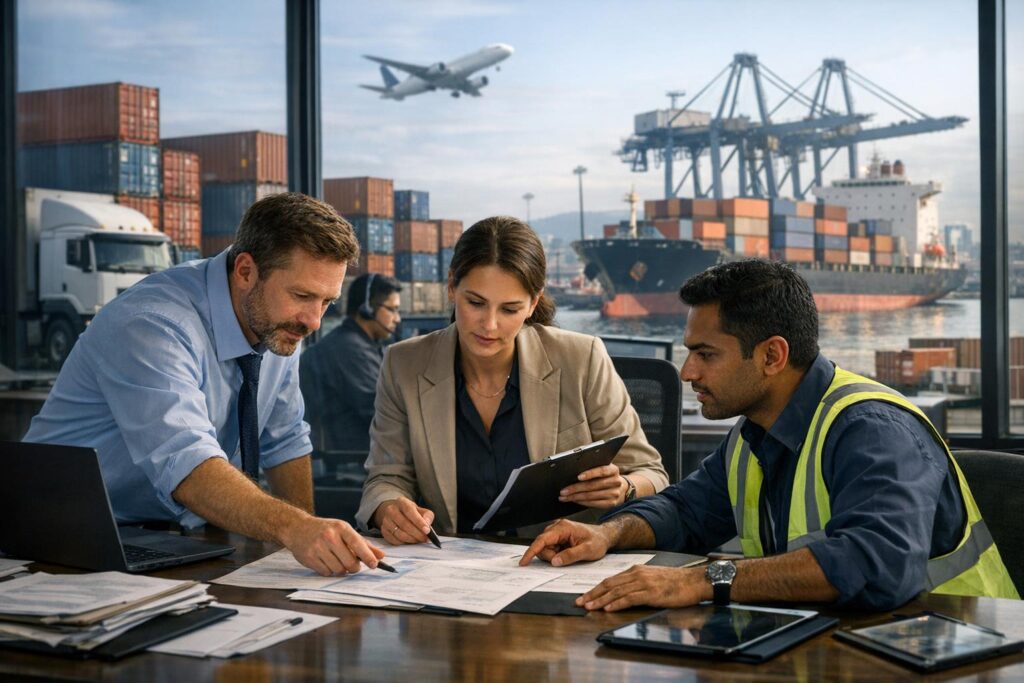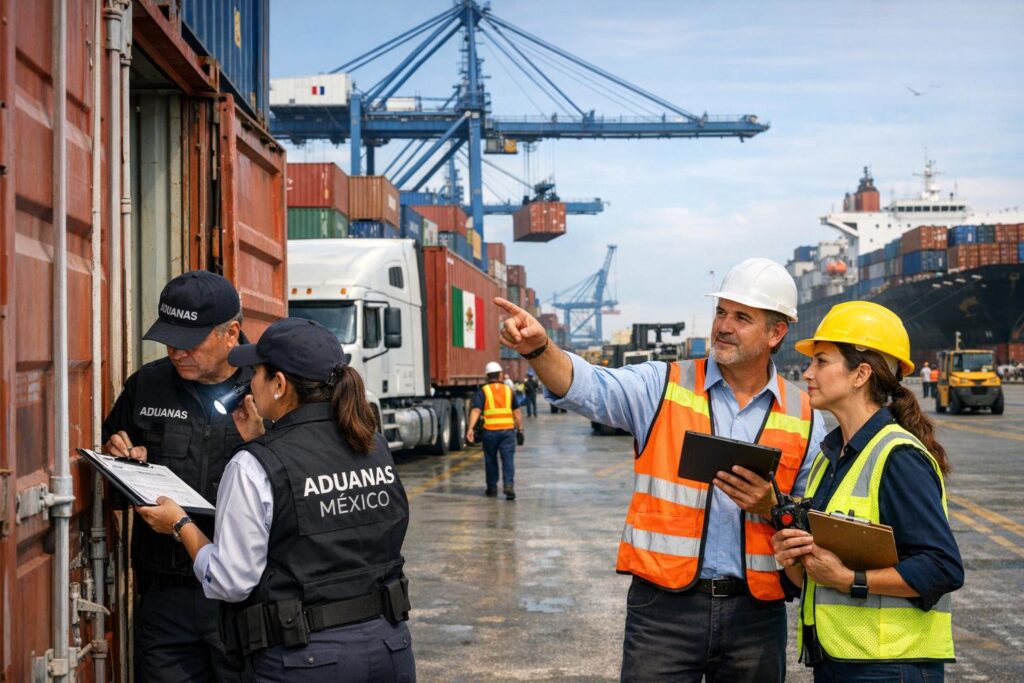
In the complex and ever-changing landscape of global trade, companies involved in import and export activities must navigate a myriad of regulations, sanctions, and tariff changes. These factors can significantly impact an organization’s import/export strategy, influencing everything from supply chain logistics to profitability. As a result, businesses must remain agile and informed to adapt to these changes effectively.
Understanding the Impact of Sanctions
Economic sanctions imposed by governments can restrict or prohibit trade with specific countries, entities, or individuals. These sanctions can be comprehensive, targeting a wide range of activities, or they can be more targeted, focusing on specific sectors or transactions. Understanding the implications of sanctions is crucial for companies to avoid potential legal and financial repercussions.
- Identify restricted parties and entities
- Assess the scope of sanctioned activities
- Implement compliance measures to mitigate risk
To navigate the complexities of sanctions effectively, companies may benefit from seeking the expertise of professionals who specialize in international trade. Broker MX, with its extensive knowledge and experience, can provide invaluable assistance in ensuring compliance and minimizing the impact of sanctions on import/export operations.
The Effects of Tariff Changes on Import/Export Strategy
Tariffs, or taxes on imported goods, can significantly affect the cost and competitiveness of products in the global market. Changes in tariff rates, whether due to trade agreements, policy shifts, or other factors, require businesses to reassess their import/export strategies. This might involve adjusting sourcing decisions, renegotiating contracts, or exploring new markets.
Key considerations when responding to tariff changes include:
- Monitoring trade policy developments and announcements
- Analyzing the impact of tariff changes on supply chains and product pricing
- Identifying opportunities to mitigate tariff costs, such as through tariff classification optimization or leveraging trade agreements
By staying informed and proactive, companies can minimize the adverse effects of tariff changes and capitalize on new opportunities. Partnering with a seasoned international trade expert like Broker MX can be instrumental in navigating these challenges and developing a robust import/export strategy.
Developing a Resilient Import/Export Strategy
In a landscape marked by sanctions, tariff fluctuations, and other trade-related challenges, a flexible and well-informed import/export strategy is essential. This involves not only adapting to current conditions but also anticipating future changes and opportunities.
To achieve this, businesses should:
- Stay abreast of global trade developments and regulatory changes
- Conduct thorough risk assessments and develop mitigation strategies
- Foster strong relationships with suppliers, logistics providers, and other stakeholders
With the guidance of experts like Broker MX, companies can craft an import/export strategy that is both resilient and responsive to the dynamics of global trade. By leveraging their knowledge and services, businesses can optimize their operations, minimize risks, and capitalize on opportunities in the international market.
Frequently Asked Questions (FAQ)
Q: How can sanctions impact my business’s import/export activities?
A: Sanctions can restrict or prohibit trade with certain countries, entities, or individuals, potentially disrupting supply chains and limiting market access. Ensuring compliance with sanction regulations is crucial to avoid legal and financial repercussions.
Q: What should I consider when tariff rates change?
A: When tariff rates change, it’s essential to analyze the impact on your supply chain and product pricing. You may need to adjust sourcing decisions, renegotiate contracts, or explore new markets to maintain competitiveness.
Q: How can Broker MX assist with my import/export strategy?
A: Broker MX offers expert guidance on navigating the complexities of global trade, including sanctions compliance, tariff optimization, and supply chain management. Their services can help you develop a resilient and effective import/export strategy.
Q: Why is it important to stay informed about global trade developments?
A: Staying informed about global trade developments enables you to anticipate and adapt to changes in regulations, sanctions, and tariffs. This helps you minimize risks, capitalize on opportunities, and maintain a competitive edge in the international market.
For more information on how Broker MX can support your international trade activities, visit https://brokermx.com.