The Impact of Tariff Classifications on International Trade
The United States-Mexico-Canada Agreement (USMCA) has reshaped the landscape of international trade among its member countries. One of the critical aspects of navigating this new landscape is understanding the intricacies of tariff classifications. Tariff classifications are essential for determining the applicable tariffs, taxes, and regulations that apply to imported goods. As a result, having a comprehensive understanding of these classifications is vital for businesses engaging in international trade under the USMCA.
Why Tariff Classifications Matter
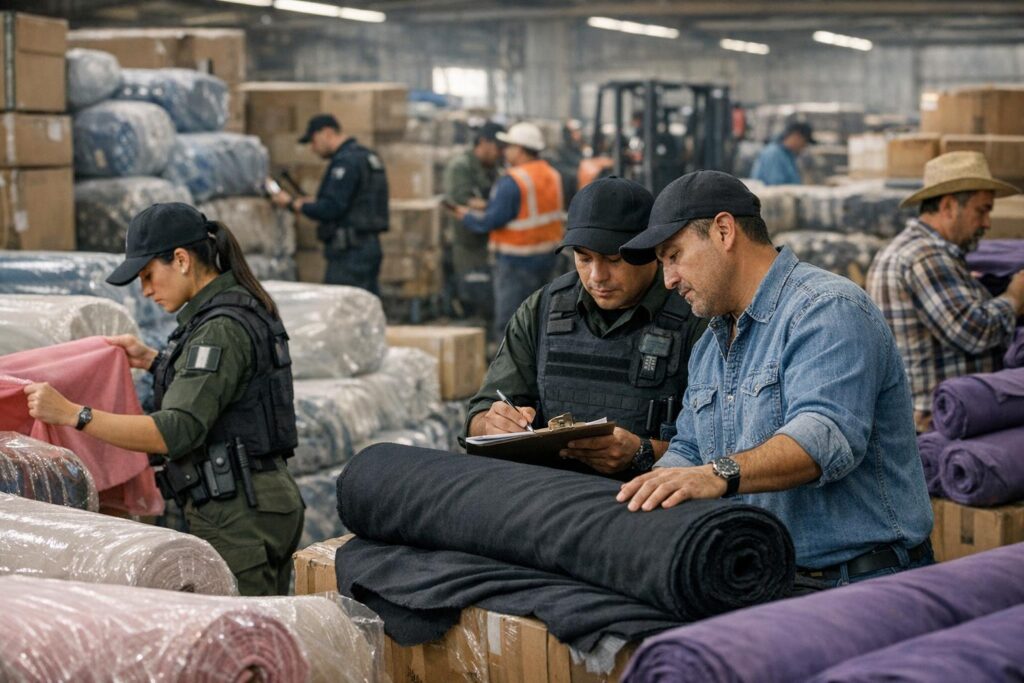
Tariff classifications are the backbone of international trade. They are used to identify the rate of duty applicable to imported goods, and they play a crucial role in determining the admissibility of goods into a country. Incorrect or inconsistent tariff classifications can lead to delays, fines, and even the exclusion of goods from entering the market. Therefore, it is essential for businesses to have a thorough understanding of the Harmonized System (HS) codes and the classification rules under the USMCA.
Key Considerations for Tariff Classifications Under USMCA
To effectively navigate the complexities of tariff classifications, businesses should be aware of the following:
- The Harmonized System (HS) codes, which are used to classify goods for international trade.
- The rules of origin, which determine the country of origin for a product and its eligibility for USMCA benefits.
- The updates to the HS codes and the transition from the North American Free Trade Agreement (NAFTA) to the USMCA.
- The product-specific rules and the application of the Harmonized Tariff Schedule (HTS).
Businesses can maximize their benefits under the USMCA by ensuring that their products are correctly classified. To achieve this, companies should stay up-to-date on the changes to the HS codes and the product-specific rules. This is where the expertise of a trade compliance professional can be invaluable.
The Benefits of Expert Guidance
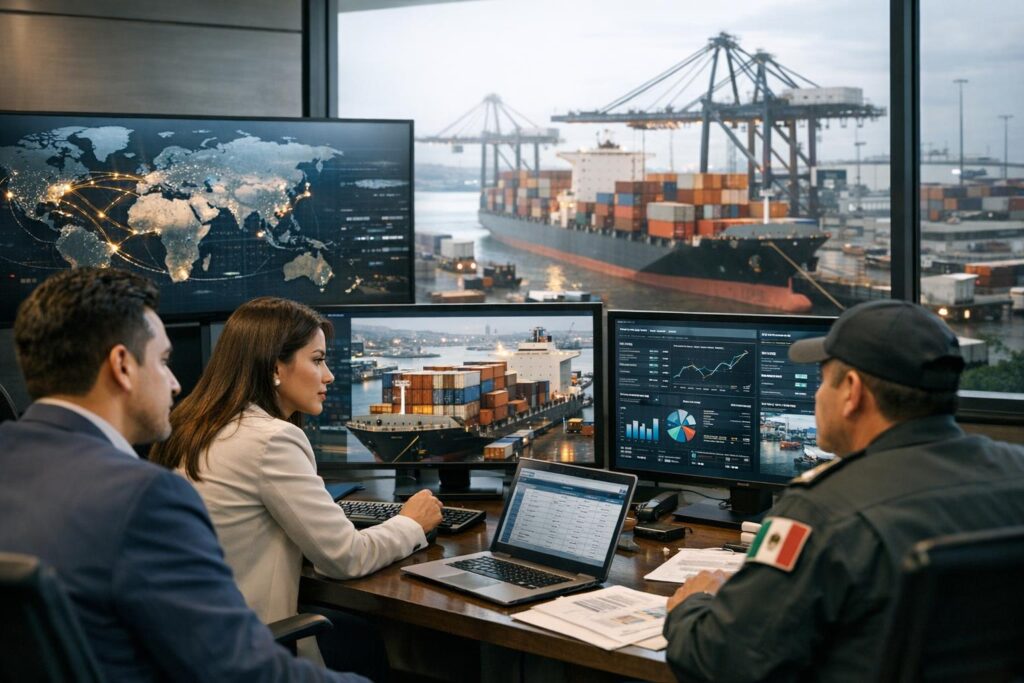
As the global trade landscape continues to evolve, the importance of expert guidance in navigating complex regulations cannot be overstated. A qualified trade compliance expert can help businesses:
- Ensure compliance with the USMCA regulations, minimizing the risk of fines and exclusion.
- Optimize their supply chain, reducing the time and costs associated with incorrect or inconsistent tariff classifications.
- Maximize the benefits of the USMCA, taking full advantage of the new opportunities for trade.
At Broker MX, our experts can help businesses navigate the complexities of the USMCA, providing comprehensive guidance on tariff classifications and other critical aspects of international trade.
FAQs
Q: What are the consequences of incorrect tariff classifications under the USMCA?
A: Incorrect or inconsistent tariff classifications can lead to delays, fines, and even the exclusion of goods from entering the market.
Q: How can businesses stay up-to-date on the changes to the Harmonized System (HS) codes?
A: Businesses can stay informed by consulting the official resources, such as the US Customs and Border Protection (CBP) website, and seeking guidance from a qualified trade compliance expert, such as those at Broker MX.
Q: What is the role of rules of origin in determining the eligibility of goods for USMCA benefits?
A: The rules of origin determine the country of origin for a product, and play a crucial role in determining its eligibility for USMCA benefits, such as preferential tariff treatment.
Q: How can businesses optimize their trade compliance under the USMCA?
A: Businesses can optimize their trade compliance by seeking the guidance of a qualified trade compliance expert, staying up-to-date on the regulations, and leveraging the resources available, such as Broker MX.
With expert guidance from Brokermx,com, you are in place to navigate the intricate world of tarif classification according the USMCA, in a success in compliance with trade transactions in the global trade.
A: Businesses can optimize their trade compliance by seeking the guidance of a qualified trade compliance expert, staying up-to-date on the regulations, and leveraging the resources available, such as Broker MX.
With expert guidance from Brokermx,com, you are in place to navigate the intricate world of tarif classification according the USMCA, in a success in compliance with trade transactions in the global trade.