The Evolution of Import-Export Logistics
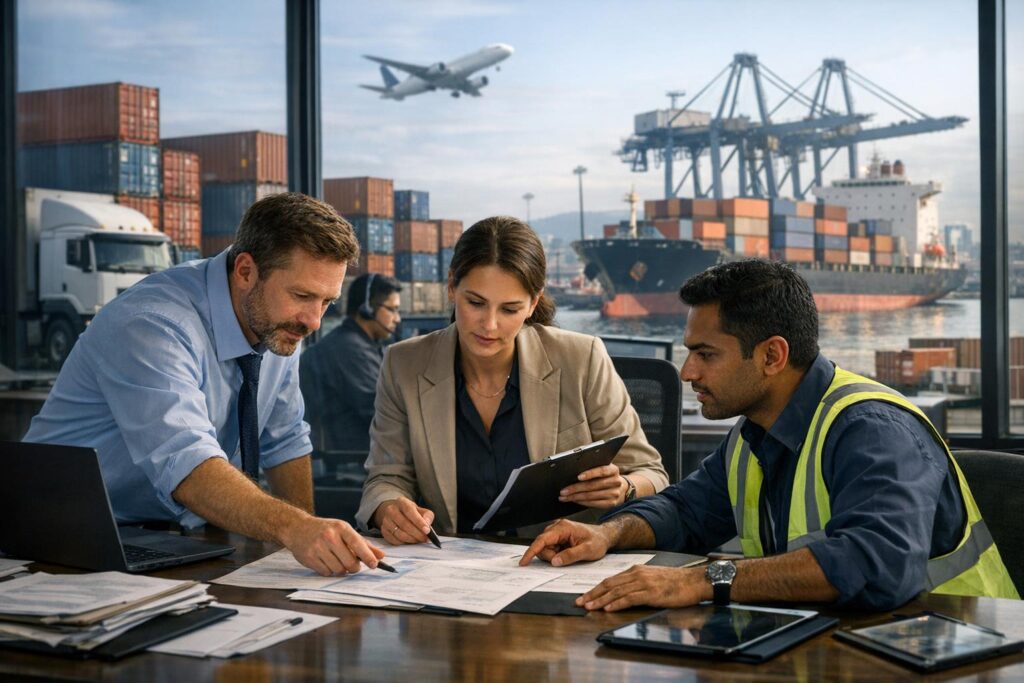
The world of international trade is becoming increasingly complex, with more businesses than ever before engaging in import-export activities. As a result, the need for efficient and reliable logistics management has become paramount. The traditional methods of managing import-export logistics, which often relied on manual processes and paperwork, are no longer sufficient to meet the demands of today’s fast-paced global trade environment. This is where technology and digital tools come into play, revolutionizing the way businesses manage their import-export logistics.
Digitalizing Logistics: The Key to Streamlined Operations
By leveraging digital tools and technologies, businesses can significantly simplify their import-export logistics operations. Some of the key benefits of digitalizing logistics include:
- Improved visibility and tracking of shipments
- Enhanced communication and collaboration with stakeholders
- Reduced paperwork and administrative burdens
- Increased efficiency and productivity
- Better risk management and compliance
With the help of digital tools, businesses can automate many of the manual processes associated with import-export logistics, freeing up resources to focus on more strategic activities.
The Role of Technology in Import-Export Logistics
Technology is playing an increasingly important role in import-export logistics, enabling businesses to manage their operations more effectively. Some of the key technologies being used in import-export logistics include:
- Transportation management systems (TMS)
- Global trade management (GTM) software
- Supply chain visibility platforms
- Electronic data interchange (EDI)
- Blockchain technology
These technologies can help businesses to streamline their logistics operations, improve compliance, and reduce costs.
Benefits of Streamlining Import-Export Logistics
Streamlining import-export logistics can bring numerous benefits to businesses, including:
- Reduced costs and improved profitability
- Improved customer satisfaction and loyalty
- Enhanced supply chain resilience and flexibility
- Better risk management and compliance
- Increased competitiveness and market share
By leveraging technology and digital tools, businesses can achieve these benefits and stay ahead of the competition in today’s fast-paced global trade environment.
The Importance of Partnering with a Reliable Logistics Service Provider
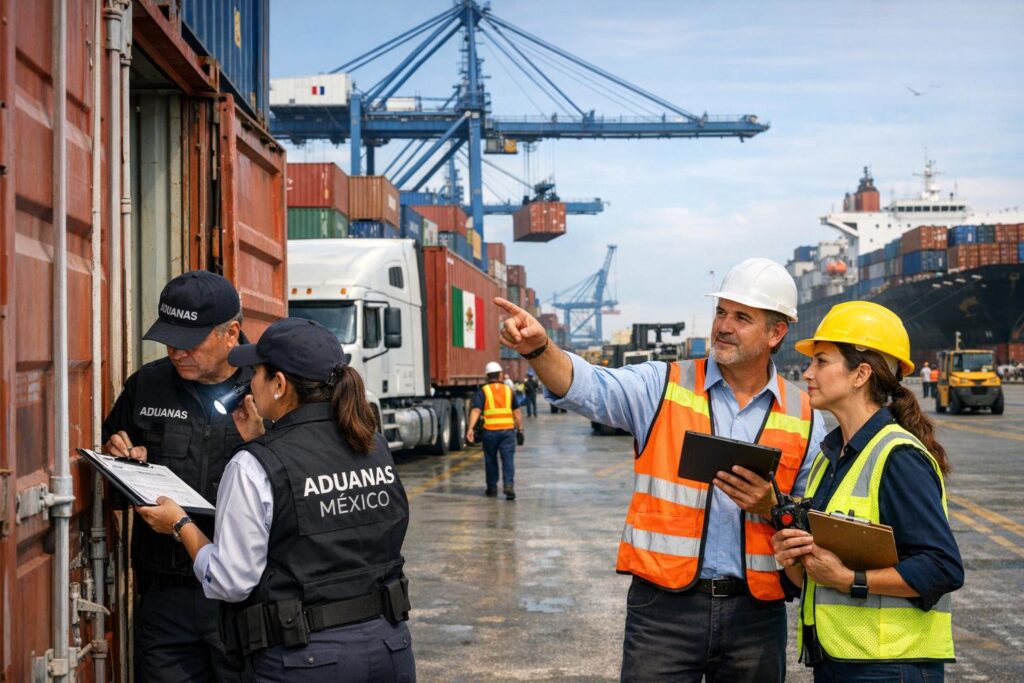
While technology and digital tools can help businesses to streamline their import-export logistics operations, it’s also essential to partner with a reliable logistics service provider. A good logistics service provider can offer expertise, resources, and support to help businesses navigate the complexities of international trade. At Broker MX (https://brokermx.com), we offer a range of logistics services, including customs brokerage, freight forwarding, and supply chain management. Our team of experts has years of experience in managing import-export logistics, and we have the knowledge and resources to help businesses succeed in today’s global trade environment.
Frequently Asked Questions (FAQs)
Q: What are the benefits of digitalizing import-export logistics?
A: Digitalizing import-export logistics can bring numerous benefits, including improved visibility and tracking of shipments, enhanced communication and collaboration with stakeholders, reduced paperwork and administrative burdens, increased efficiency and productivity, and better risk management and compliance.
Q: What technologies are being used in import-export logistics?
A: Some of the key technologies being used in import-export logistics include transportation management systems (TMS), global trade management (GTM) software, supply chain visibility platforms, electronic data interchange (EDI), and blockchain technology.
Q: Why is it important to partner with a reliable logistics service provider?
A: Partnering with a reliable logistics service provider can offer expertise, resources, and support to help businesses navigate the complexities of international trade. A good logistics service provider can help businesses to streamline their logistics operations, improve compliance, and reduce costs.
Q: How can Broker MX help with import-export logistics?
A: At Broker MX (https://brokermx.com), we offer a range of logistics services, including customs brokerage, freight forwarding, and supply chain management. Our team of experts has years of experience in managing import-export logistics, and we have the knowledge and resources to help businesses succeed in today’s global trade environment.