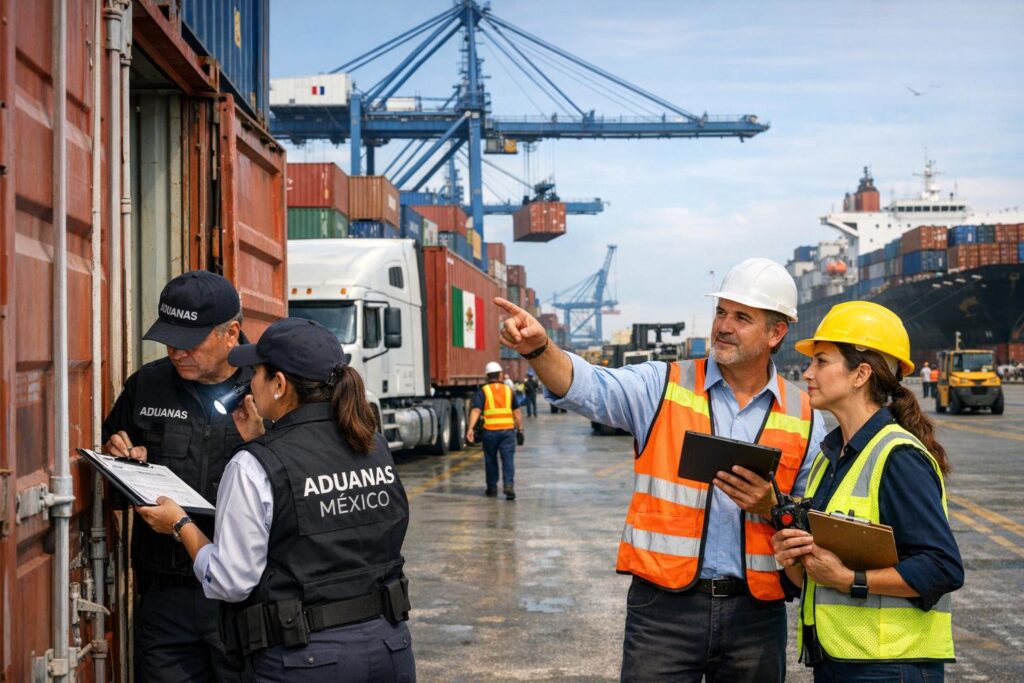
Understanding the Complexities of Mexican Imports
Mexico has become a vital trading partner for many countries, particularly the United States, due to its strategic geographical location, vast natural resources, and skilled workforce. As a result, managing imports from Mexico has become a crucial task for companies seeking to capitalize on the benefits of international trade. However, importing goods from Mexico comes with its own set of challenges, including navigating complex logistics, ensuring compliance with regulations, and mitigating supply chain risks.
Identifying Supply Chain Risks in Mexican Imports
To effectively manage supply chain risks, it’s essential to identify potential vulnerabilities in the import process. Some common risks associated with Mexican imports include:
- Geopolitical tensions and trade policy changes
- Supply chain disruptions due to natural disasters or other unforeseen events
- Non-compliance with regulations, such as customs clearance and product safety standards
- Cybersecurity threats to logistics and transportation systems
- Counterfeit or substandard products
Mitigating Supply Chain Risks through Strategic Planning
Once potential risks are identified, companies can develop strategies to mitigate them. This may involve:
- Diversifying suppliers to reduce dependence on a single entity
- Implementing robust logistics and transportation management systems
- Developing contingency plans for potential disruptions
- Investing in cybersecurity measures to protect against data breaches
- Conducting regular audits and inspections to ensure compliance with regulations
The Benefits of Partnering with a Professional Customs Broker
To navigate the complexities of Mexican imports and mitigate supply chain risks, companies can benefit from partnering with a professional customs broker like Broker MX. With their expertise and knowledge of Mexican regulations, Broker MX can help streamline the import process, reduce costs, and ensure compliance with relevant laws and regulations.
By leveraging the services of Broker MX, companies can:
- Simplify customs clearance and reduce the risk of delays or penalties
- Ensure accurate classification and valuation of goods
- Stay up-to-date with changes in Mexican trade policies and regulations
- Benefit from expert guidance on logistics and transportation management
- Minimize the risk of non-compliance and associated fines or penalties
Best Practices for Managing Supply Chain Risks in Mexican Imports
To effectively manage supply chain risks, companies should adopt best practices, including:
- Conducting thorough risk assessments and developing mitigation strategies
- Implementing robust monitoring and tracking systems
- Developing contingency plans for potential disruptions
- Investing in employee training and development to enhance supply chain resilience
- Regularly reviewing and updating supply chain risk management strategies
Frequently Asked Questions (FAQs)
Q: What are the most common supply chain risks associated with Mexican imports?
A: The most common supply chain risks include geopolitical tensions, supply chain disruptions, non-compliance with regulations, cybersecurity threats, and counterfeit or substandard products.
Q: How can companies mitigate supply chain risks when importing from Mexico?
A: Companies can mitigate supply chain risks by diversifying suppliers, implementing robust logistics and transportation management systems, developing contingency plans, investing in cybersecurity measures, and conducting regular audits and inspections.
Q: What benefits can companies expect from partnering with a professional customs broker like Broker MX?
A: By partnering with Broker MX, companies can simplify customs clearance, reduce costs, ensure compliance with regulations, and benefit from expert guidance on logistics and transportation management.
Q: How can companies ensure compliance with Mexican regulations when importing goods?
A: Companies can ensure compliance with Mexican regulations by working with a professional customs broker like Broker MX, conducting regular audits and inspections, and staying up-to-date with changes in trade policies and regulations.
By understanding the complexities of Mexican imports and adopting best practices for managing supply chain risks, companies can minimize potential disruptions and capitalize on the benefits of international trade. Partnering with a professional customs broker like Broker MX can help streamline the import process and ensure compliance with relevant laws and regulations. For more information on how Broker MX can support your import operations, visit https://brokermx.com.