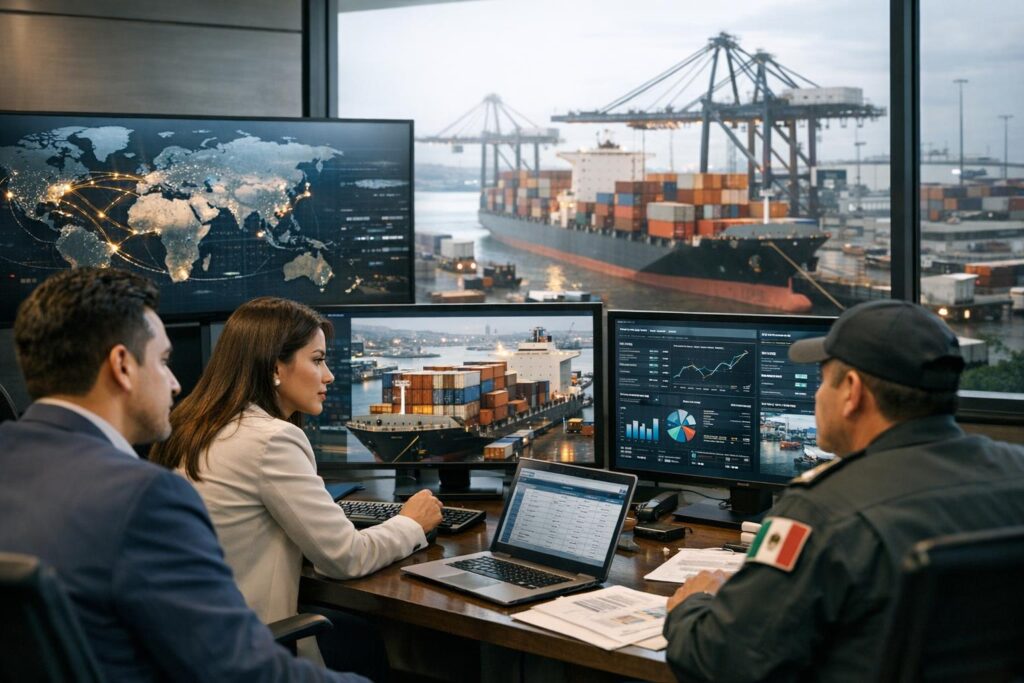
Mexico has become a significant player in the global electronics market, driven by its strategic location, skilled workforce, and favorable business environment. As a result, importing electronics into Mexico has become an attractive opportunity for companies looking to expand their reach in North America. However, navigating the complexities of international trade can be daunting, especially when dealing with a new market. In this article, we will provide a comprehensive guide on importing electronics into Mexico, highlighting the key considerations, regulations, and benefits of working with a professional customs broker like Broker MX.
Understanding Mexico’s Electronics Market
Before importing electronics into Mexico, it’s essential to understand the local market dynamics. Mexico’s electronics market is driven by a growing demand for consumer electronics, such as smartphones, laptops, and televisions. The country’s manufacturing sector is also a significant consumer of electronic components, including semiconductors, capacitors, and resistors. To succeed in this market, importers must be aware of the latest trends, consumer preferences, and technological advancements.
Regulations and Compliance
Importing electronics into Mexico requires compliance with various regulations and standards. Some of the key considerations include:
- Product safety and certification: Electronics must comply with Mexican safety standards, such as NOM (Norma Oficial Mexicana) regulations.
- Labeling and packaging: Products must be labeled and packaged in accordance with Mexican regulations, including language requirements.
- Customs clearance: Importers must comply with customs regulations, including providing accurate documentation and payment of duties and taxes.
Working with a professional customs broker like Broker MX can help ensure compliance with these regulations, reducing the risk of delays, fines, and reputational damage.
Tariffs and Duties
Mexico has a complex tariff structure, with different rates applying to various electronics products. Importers must be aware of the applicable tariffs, as well as any relevant free trade agreements (FTAs), such as the United States-Mexico-Canada Agreement (USMCA). Some of the key factors that influence tariffs and duties include:
- Product classification: Accurate classification of electronics products is crucial to determine the applicable tariff rate.
- Country of origin: The country of origin can impact the applicable tariff rate, as well as eligibility for preferential treatment under FTAs.
- Value-added tax (VAT): Importers must pay VAT on the value of the imported goods, including duties and other costs.
Broker MX can help importers navigate the complexities of tariffs and duties, ensuring compliance and minimizing costs.
Logistics and Distribution
Effective logistics and distribution are critical to success when importing electronics into Mexico. Importers must consider factors such as transportation modes, warehousing, and inventory management. Mexico’s geography and infrastructure can present challenges, but also opportunities for optimization. Some of the key considerations include:
- Transportation options: Importers can choose from various transportation modes, including air, land, and sea.
- Border crossing: Efficient border crossing is crucial to minimize delays and costs.
- Warehousing and inventory management: Importers must ensure that their logistics providers have the necessary expertise and infrastructure to manage electronics inventory.
Broker MX has extensive experience in logistics and distribution, providing importers with a seamless and efficient experience.
Conclusion
Importing electronics into Mexico requires careful planning, compliance with regulations, and effective logistics and distribution. By working with a professional customs broker like Broker MX, importers can navigate the complexities of international trade, minimize risks, and maximize opportunities. With their expertise and knowledge of the Mexican market, Broker MX can help importers succeed in this dynamic and growing market.
Frequently Asked Questions (FAQ)
Q: What are the most common electronics products imported into Mexico?
A: The most common electronics products imported into Mexico include consumer electronics, such as smartphones, laptops, and televisions, as well as electronic components, including semiconductors, capacitors, and resistors.
Q: What regulations apply to importing electronics into Mexico?
A: Importers must comply with various regulations, including product safety and certification, labeling and packaging, and customs clearance.
Q: How can Broker MX help with importing electronics into Mexico?
A: Broker MX can help importers navigate the complexities of international trade, ensuring compliance with regulations, minimizing costs, and maximizing opportunities.
Q: What are the benefits of using a professional customs broker like Broker MX?
A: The benefits of using a professional customs broker like Broker MX include reduced risks, minimized costs, and maximized opportunities, as well as expert knowledge of the Mexican market and regulations.
Q: How can I contact Broker MX for more information?
A: You can visit the Broker MX website at https://brokermx.com or contact their team directly for more information on their services and expertise.