Understanding the Complexities of Importing Agricultural Products
Importing agricultural products can be a lucrative business, but it is heavily regulated to prevent the spread of pests and diseases that can harm local ecosystems and agricultural industries. As a result, importers must comply with a range of phytosanitary requirements and inspections to ensure that their products are safe for consumption and distribution. In this article, we will explore the key considerations for importing agricultural products, including the necessary regulations, inspections, and documentation required.
Phytosanitary Requirements for Importing Agricultural Products
Phytosanitary requirements are in place to prevent the introduction and spread of pests and diseases that can harm plants and crops. These requirements vary by country and region, but typically include measures such as:
- Obtaining a phytosanitary certificate from the country of origin
- Conducting pest risk assessments
- Treating products to eliminate pests and diseases
- Maintaining detailed records of production and transportation
Importers must work closely with suppliers and regulatory authorities to ensure that their products meet these requirements.
Inspections and Monitoring
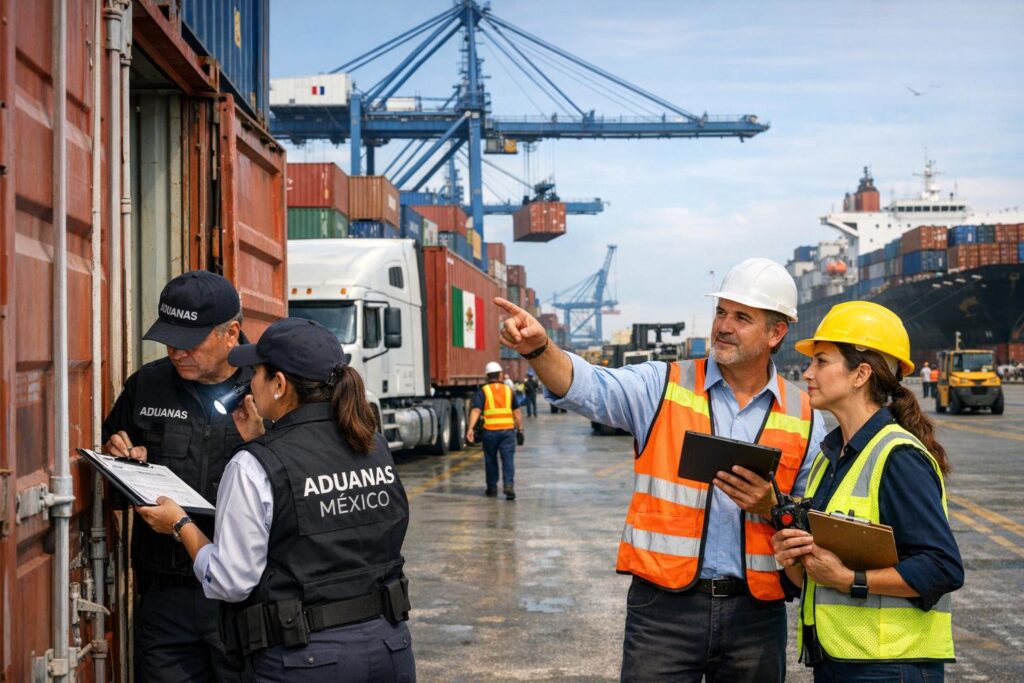
Inspections are a critical component of ensuring compliance with phytosanitary requirements. These inspections may be conducted at various stages of the import process, including:
- Pre-shipment inspections
- Port of entry inspections
- Post-entry inspections
Inspectors will verify that products meet phytosanitary requirements and may sample products for further analysis.
The Importance of Accurate Documentation
Accurate and complete documentation is essential for importing agricultural products. This includes:
- Phytosanitary certificates
- Commercial invoices
- Packing lists
- Certificates of origin
Importers must ensure that all documentation is accurate and complete to avoid delays or rejection of their shipments.
Navigating Complex Regulations with Professional Guidance
Importing agricultural products can be a complex and challenging process, but with the right guidance, importers can ensure compliance with regulations and avoid costly delays. At Broker MX, our team of experts has extensive experience in navigating the complexities of importing agricultural products. We can provide guidance on phytosanitary requirements, inspections, and documentation, helping importers to streamline their operations and achieve success.
Frequently Asked Questions (FAQs)
Q: What are phytosanitary requirements?
A: Phytosanitary requirements are regulations in place to prevent the introduction and spread of pests and diseases that can harm plants and crops.
Q: What is a phytosanitary certificate?
A: A phytosanitary certificate is a document issued by the country of origin that verifies that a shipment of agricultural products meets phytosanitary requirements.
Q: What happens if my shipment is rejected due to non-compliance?
A: If your shipment is rejected, you may be required to re-export or destroy the products. Broker MX can help you navigate the process and minimize losses.
Q: How can Broker MX assist with importing agricultural products?
A: At Broker MX, our team of experts can provide guidance on phytosanitary requirements, inspections, and documentation, helping importers to streamline their operations and achieve success. Visit our website at https://brokermx.com to learn more.
By working with a trusted partner like Broker MX, importers can ensure that their agricultural products are imported safely and efficiently, while also minimizing the risk of non-compliance. Whether you’re a seasoned importer or just starting out, our team is here to help you navigate the complexities of importing agricultural products.