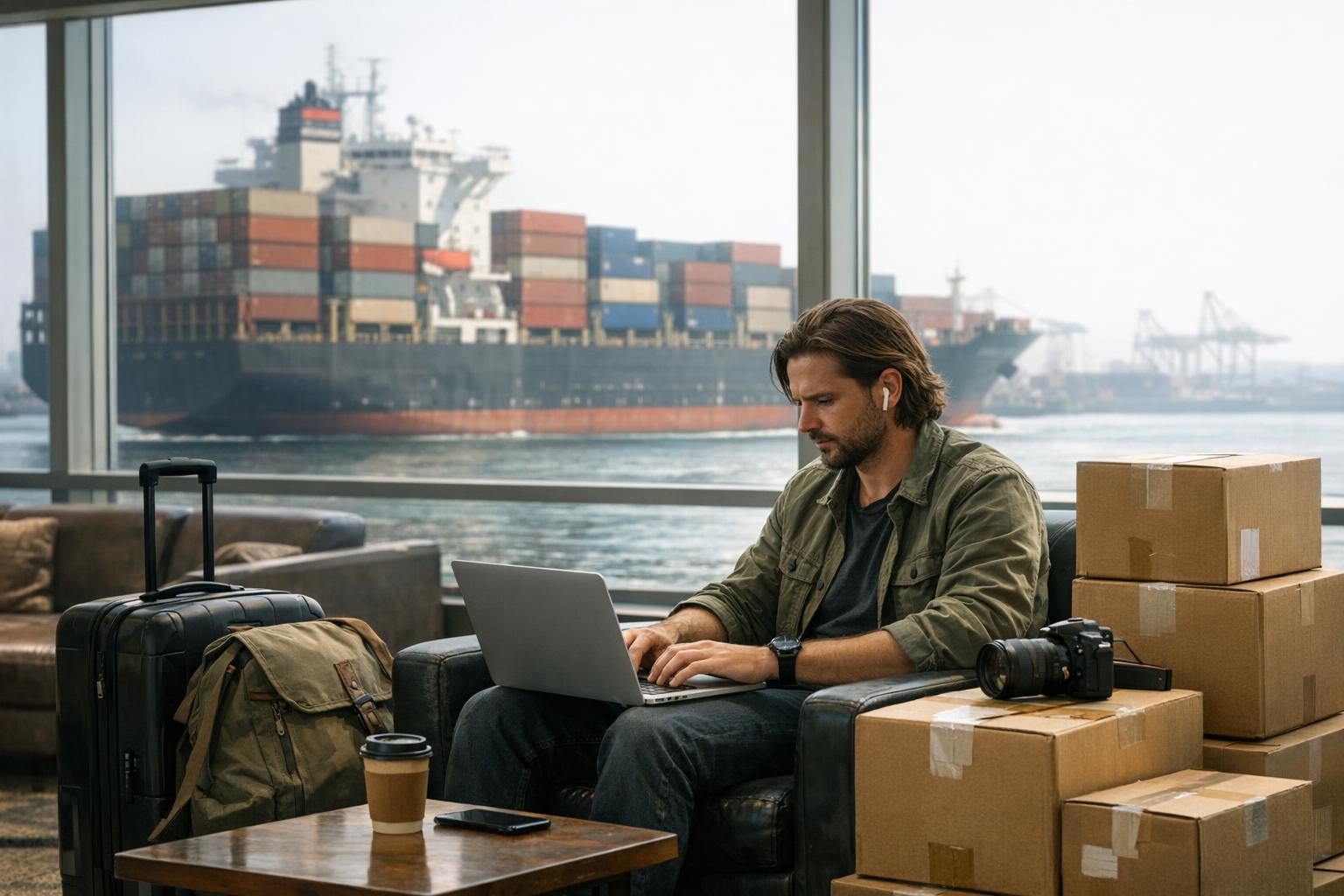
We have observed the rise of digital nomad visas profoundly influencing international shipping logistics. As remote workers embrace mobility, their shipping needs evolve, presenting unique challenges and opportunities.
- The surge in digital nomads is driving demand for specialized international shipping services.
- Countries offering digital nomad visas see increased cross-border parcel movement and new logistical requirements.
- Remote workers prioritize fast, secure delivery for personal and work-related goods.
- International shipping providers must innovate to accommodate flexible schedules and decentralized destinations.
- Mexico’s growing engagement with global mobility impacts its customs and shipping infrastructure.
- Understanding import duties, efficient hand carrier services, and export partnerships become more crucial in this new context.
- Adapting to this trend benefits logistics companies, remote workers, and economic ecosystems alike.
How Digital Nomad Visas Are Changing Global Shipping Trends
We see that digital nomad visas, adopted by more than 60 countries as of 2025, have created a mobile workforce needing reliable international shipping solutions. These visas allow workers to legally reside and work remotely from foreign countries for extended periods. For many, this means moving personal effects, tech equipment, and work materials internationally on a regular basis.
According to recent data, the digital nomad population exceeds 35 million globally, with many earning over USD 50,000 annually. This well-paid demographic expects shipping services that are not only cost-effective but also flexible and speedy.
Consequently, shipping providers must innovate to meet these expectations. The ability to track shipments in real time, offer door-to-door service, and provide customs guidance becomes a significant competitive advantage. For example, the introduction of hand carrier services enables faster, more secure deliveries for critical documents or tech gear. Those interested in this approach should refer to The Ultimate Hand Carrier Guide for Fast and Secure Deliveries.
Impact of Digital Nomads on Customs and Import Regulations in Mexico
Mexico, as a nation, is experiencing shifts in its customs and import procedures due to the increase in international arrivals linked to digital nomadism. Remote workers often import laptops, office supplies, and personal belongings temporarily or permanently, challenging traditional customs frameworks.
Adapting Import Licensing Requirements
We recognize the need for clarity in Mexico’s import licensing to facilitate seamless movement of goods for digital nomads. Understanding the nuances of import permits, declaration processes, and allowable goods is essential. Interested parties are encouraged to explore resources like How to Navigate Mexico’s Import Licensing Requirements.
Customs Valuation and Taxation
Proper valuation methods impact how duties and taxes are calculated on shipments. The distinction between ad valorem and transaction value customs rules affects shipping costs and timelines. We often advise careful documentation to prevent delays. For deeper insight, Understanding Mexico’s Customs Valuation Rules is a valuable read.
Strategies for Optimizing Shipping for Digital Nomads
Given the unique shipping demands of digital nomads, we focus on cost efficiency, speed, and reliability. Their itinerant lifestyle requires adaptable logistics solutions.
Leveraging Hand Carrier Services
Hand carrier services represent a critical option for urgent and sensitive shipments, especially for fragile electronics or important documents. Such services reduce transit times and minimize risks associated with standard freight shipping. Detailed strategies are discussed in How a Hand Carrier Service Can Save You Time and Money.
Choosing Optimal Shipping Routes
We prioritize routes that balance speed and cost, considering that digital nomads may relocate multiple times annually. Direct routes that limit customs clearance points reduce delays. Collaboration between logistics partners including exporters, freight forwarders, and customs brokers is key.
Economic and Environmental Implications of Digital Nomad Shipping
The economic impact of servicing this growing demographic cannot be overstated. Digital nomads contribute to demand for global logistics, stimulating sectors from air freight to courier services. As a logistics community, we appreciate the importance of sustainable practices to minimize environmental footprint given the increase in transnational shipping.
Data from logistics experts reinforce that optimizing load capacities and investing in green technologies will become industry norms as digital nomadism expands.
Future Trends in International Shipping Related to Remote Work
We anticipate that as digital nomad visas gain popularity, innovation will accelerate in international shipping. Technologies such as blockchain for secure tracking, AI-assisted customs clearance, and drone deliveries may play larger roles.
Moreover, governments including Mexico are likely to update regulations to promote smooth cross-border movements while safeguarding economic interests.
An expert from Global Citizen Solutions noted, “The evolving mobility of professionals mandates logistics systems that are as flexible and dynamic as the workers themselves, creating an unprecedented paradigm in international shipping.” This validates the need for us to continually adapt.
Conclusion
In summary, the rise of digital nomad visas fundamentally reshapes international shipping needs. We believe embracing this trend through tailored, efficient logistics services can unlock significant advantages for all parties involved. At BrokerMX, we are committed to supporting these evolving demands by providing cutting-edge solutions and regulatory expertise to facilitate seamless shipments within Mexico and beyond.
Understanding these shifts equips us better to respond to the global mobility surge and grow alongside it.
Frequently Asked Questions
- What are digital nomad visas and how do they affect shipping?
Digital nomad visas allow remote workers to live and work abroad legally, increasing international shipping volume for personal and professional goods. - How has Mexico adapted customs for digital nomads?
Mexico has refined import licensing, customs valuation, and tax rules to streamline shipping for relocated remote workers. - Why are hand carrier services important for digital nomads?
They provide faster, secure delivery options for urgent or sensitive shipments, reducing transit times and risk. - What challenges do digital nomads face with international shipping?
Challenges include customs delays, high shipping costs, and the need for flexible delivery schedules while moving frequently. - How can businesses optimize shipping for digital nomads?
By using direct routes, leveraging technology for tracking, and partnering with reliable hand carrier and customs services.
We encourage you to explore how innovative logistics can support your needs at BrokerMX. By aligning with experts who understand the nuances of international shipping and customs, we ensure smooth, efficient delivery experiences for the digital nomad community.