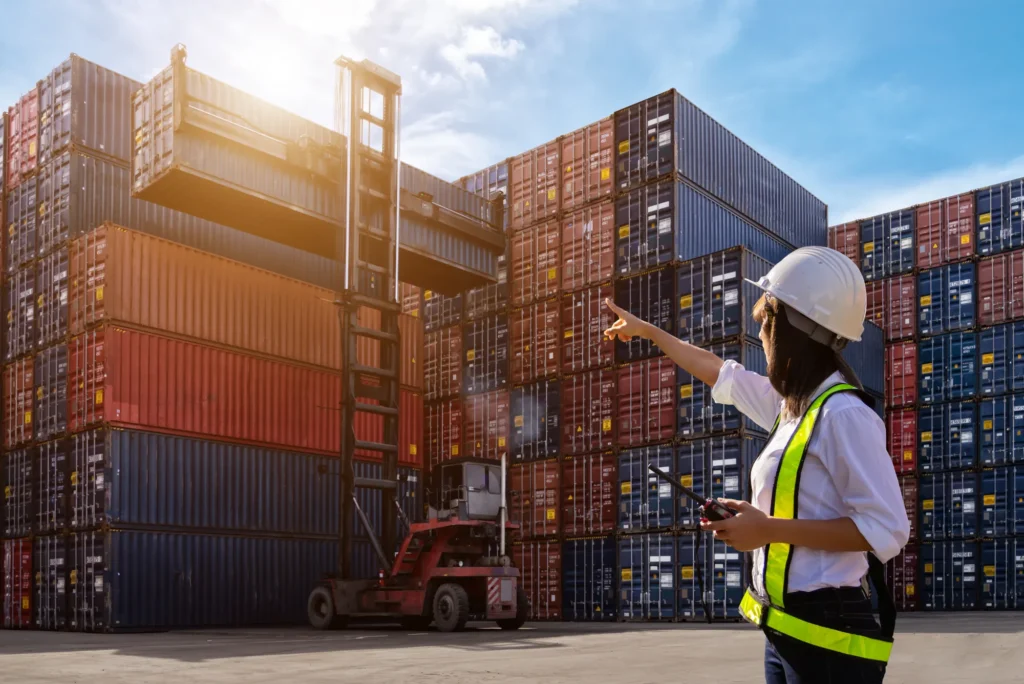
Understanding the Regulations Surrounding Dangerous Goods Imports in Mexico
Mexico, being one of the largest economies in Latin America, has seen a significant rise in international trade, including the importation of goods classified as dangerous due to their potential to cause harm to people, animals, and the environment. Handling these imports requires a deep understanding of Mexican law and regulations to ensure compliance and avoid costly penalties.
The Importance of Compliance with Mexican Regulations
The Mexican government has established strict regulations regarding the importation of dangerous goods, which are overseen by various government agencies, including the Ministry of Economy (Secretaría de Economía) and the Ministry of Environment and Natural Resources (Secretaría de Medio Ambiente y Recursos Naturales). Compliance with these regulations is crucial for companies involved in the importation of such goods. Some key aspects of compliance include:
- Proper classification and labeling of dangerous goods
- Obtaining necessary permits and licenses
- Adherence to packaging and transportation regulations
- Submission of required documentation, including safety data sheets
Classification and Labeling of Dangerous Goods
The classification of dangerous goods in Mexico follows international standards, such as those outlined by the United Nations. Goods are categorized based on their hazard characteristics, and it’s essential to accurately classify imports to determine the applicable regulations and handling procedures.
Necessary Permits and Licenses for Importing Dangerous Goods
Importers of dangerous goods must secure the necessary permits and licenses before shipping their goods into Mexico. The specific requirements can vary depending on the type of goods and their intended use. Common permits include:
- Import permit (permiso de importación) issued by the relevant authority
- Registration with the Ministry of Economy for certain types of goods
- Compliance with environmental regulations, if applicable
Packaging and Transportation Regulations
The packaging and transportation of dangerous goods are subject to strict regulations to prevent accidents and minimize the risk of exposure to hazardous materials. Importers must ensure that their goods are packaged in accordance with Mexican regulations, which often mirror international standards.
The Role of Professional Customs Brokers in Handling Dangerous Goods Imports
Navigating the complex regulatory landscape surrounding the importation of dangerous goods can be challenging for companies, especially those without experience in international trade or Mexican law. This is where professional customs brokers, such as Broker MX (https://brokermx.com), play a crucial role. Their expertise includes:
- Guiding clients through the classification and labeling process
- Assisting with the procurement of necessary permits and licenses
- Ensuring compliance with packaging and transportation regulations
- Facilitating the customs clearance process
By leveraging the services of a professional customs broker like Broker MX, importers can significantly reduce the risk of non-compliance, avoid potential penalties, and ensure a smoother importation process.
Frequently Asked Questions (FAQs) about Handling Dangerous Goods Imports under Mexican Law
Q: What are considered dangerous goods under Mexican law?
A: Dangerous goods are those that pose a risk to health, safety, property, or the environment due to their chemical or physical characteristics.
Q: Do I need a special permit to import dangerous goods into Mexico?
A: Yes, depending on the type and classification of the goods, you may need to obtain a specific import permit or license.
Q: Can I handle the importation of dangerous goods without a customs broker?
A: While it’s possible, it’s highly recommended to use the services of a professional customs broker, like Broker MX, to ensure compliance with complex regulations and avoid potential issues.
Q: How can I ensure that my dangerous goods imports comply with Mexican packaging and transportation regulations?
A: A professional customs broker can provide guidance on the applicable regulations and help ensure that your goods are properly packaged and transported.
Q: What are the consequences of non-compliance with Mexican regulations regarding dangerous goods imports?
A: Non-compliance can result in fines, penalties, and even the seizure of goods. Using a professional customs broker can help mitigate these risks.
By understanding and complying with Mexican regulations and leveraging the expertise of professionals like Broker MX, companies can safely and efficiently import dangerous goods into Mexico.