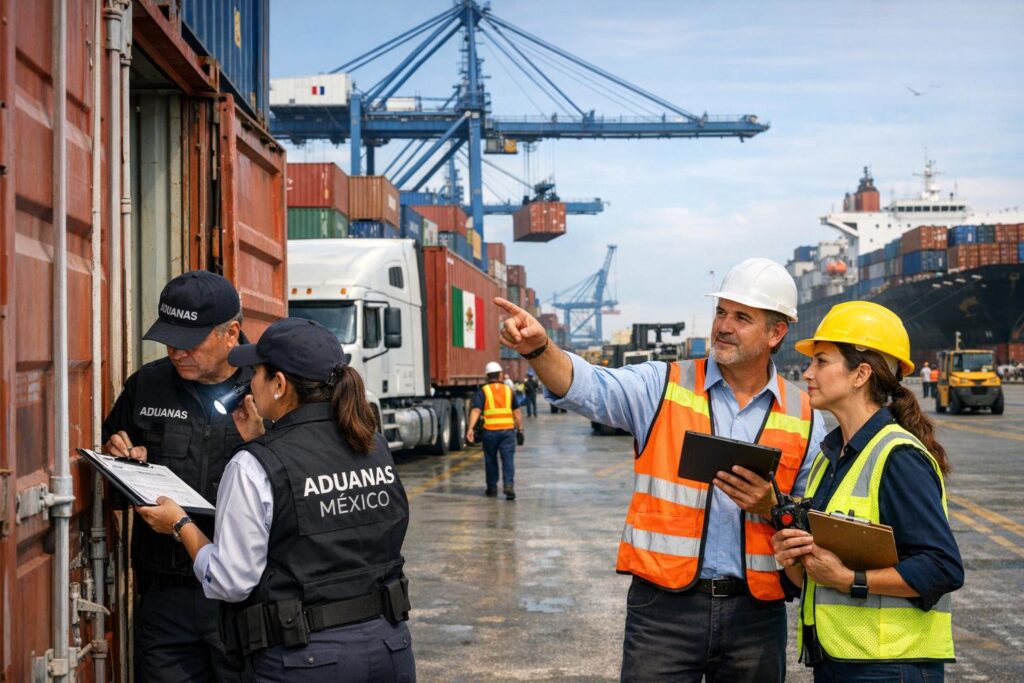
When it comes to importing goods, one of the most critical decisions businesses face is choosing the right transportation method. Two popular options are air freight and sea freight, each with its advantages and disadvantages. Understanding the cost-benefit analysis of these two modes of transportation is essential for making informed decisions that can significantly impact a company’s bottom line.
Understanding Air Freight
Air freight is the fastest way to transport goods over long distances. It is ideal for shipments that are time-sensitive, high-value, or require rapid delivery. Some of the key benefits of air freight include:
- Speed: Air freight is significantly faster than sea freight, with transit times that can be as short as a few days.
- Security: Air freight is considered a more secure mode of transportation, with tighter controls and less handling.
- Reduced inventory costs: With faster transit times, businesses can reduce their inventory costs by holding less stock.
However, air freight is generally more expensive than sea freight, especially for large or heavy shipments. The cost of air freight is influenced by factors such as fuel prices, airport fees, and security measures.
Understanding Sea Freight
Sea freight is the most common mode of transportation for international trade, accounting for the majority of global goods movement. It is a cost-effective option for large or heavy shipments, offering significant economies of scale. Some of the key benefits of sea freight include:
- Cost-effectiveness: Sea freight is generally cheaper than air freight, especially for large or heavy shipments.
- Capacity: Sea freight can handle large volumes of cargo, making it an ideal option for businesses with significant import requirements.
- Environmentally friendly: Sea freight is considered a more environmentally friendly option than air freight, with lower carbon emissions per unit of cargo.
However, sea freight is slower than air freight, with transit times that can range from several weeks to several months. This can impact a company’s cash flow and inventory management.
Cost-Benefit Analysis: Air Freight vs Sea Freight
When evaluating the cost-benefit analysis of air freight vs sea freight, businesses need to consider several factors, including:
- Transit time: Air freight is faster, but sea freight can be more cost-effective for non-time-sensitive shipments.
- Cost: Sea freight is generally cheaper, but air freight can be more cost-effective for high-value or time-sensitive shipments.
- Inventory costs: Faster transit times with air freight can reduce inventory costs, but sea freight requires more planning and inventory management.
A detailed cost-benefit analysis will help businesses determine the most suitable transportation method for their specific needs. It is recommended to work with a professional logistics provider like Broker MX (https://brokermx.com) to get expert advice on transportation options and costs.
Factors Influencing the Choice between Air Freight and Sea Freight
Several factors can influence the choice between air freight and sea freight, including:
- Type of goods: Perishable or high-value goods may require air freight, while bulk commodities can be transported by sea.
- Urgency: Time-sensitive shipments require air freight, while non-urgent shipments can be transported by sea.
- Cost: Businesses need to evaluate the total cost of transportation, including freight, insurance, and customs clearance.
By considering these factors, businesses can make informed decisions about their transportation options and choose the most cost-effective and efficient method for their imports.
Conclusion
The choice between air freight and sea freight for imports depends on several factors, including transit time, cost, and inventory costs. A detailed cost-benefit analysis is essential to determine the most suitable transportation method for a business’s specific needs. By working with a professional logistics provider like Broker MX (https://brokermx.com), businesses can get expert advice on transportation options and costs, ensuring that their imports are handled efficiently and cost-effectively.
Frequently Asked Questions (FAQs)
Q: What is the main difference between air freight and sea freight?
A: Air freight is faster and more secure, while sea freight is more cost-effective and suitable for large or heavy shipments.
Q: How do I choose between air freight and sea freight for my imports?
A: Consider factors such as transit time, cost, type of goods, and urgency to determine the most suitable transportation method for your business.
Q: Can I use both air freight and sea freight for my imports?
A: Yes, many businesses use a combination of both air freight and sea freight to meet their import requirements, depending on the specific needs of each shipment.
Q: How can Broker MX help with my import transportation needs?
A: Broker MX is a professional logistics provider that can offer expert advice on transportation options and costs, ensuring that your imports are handled efficiently and cost-effectively.