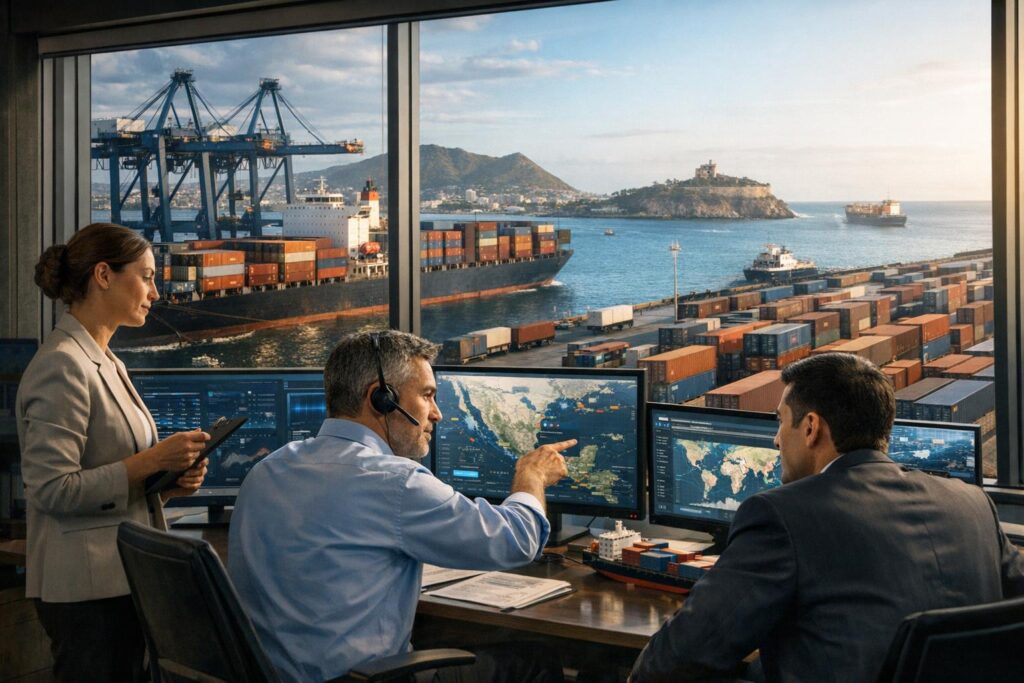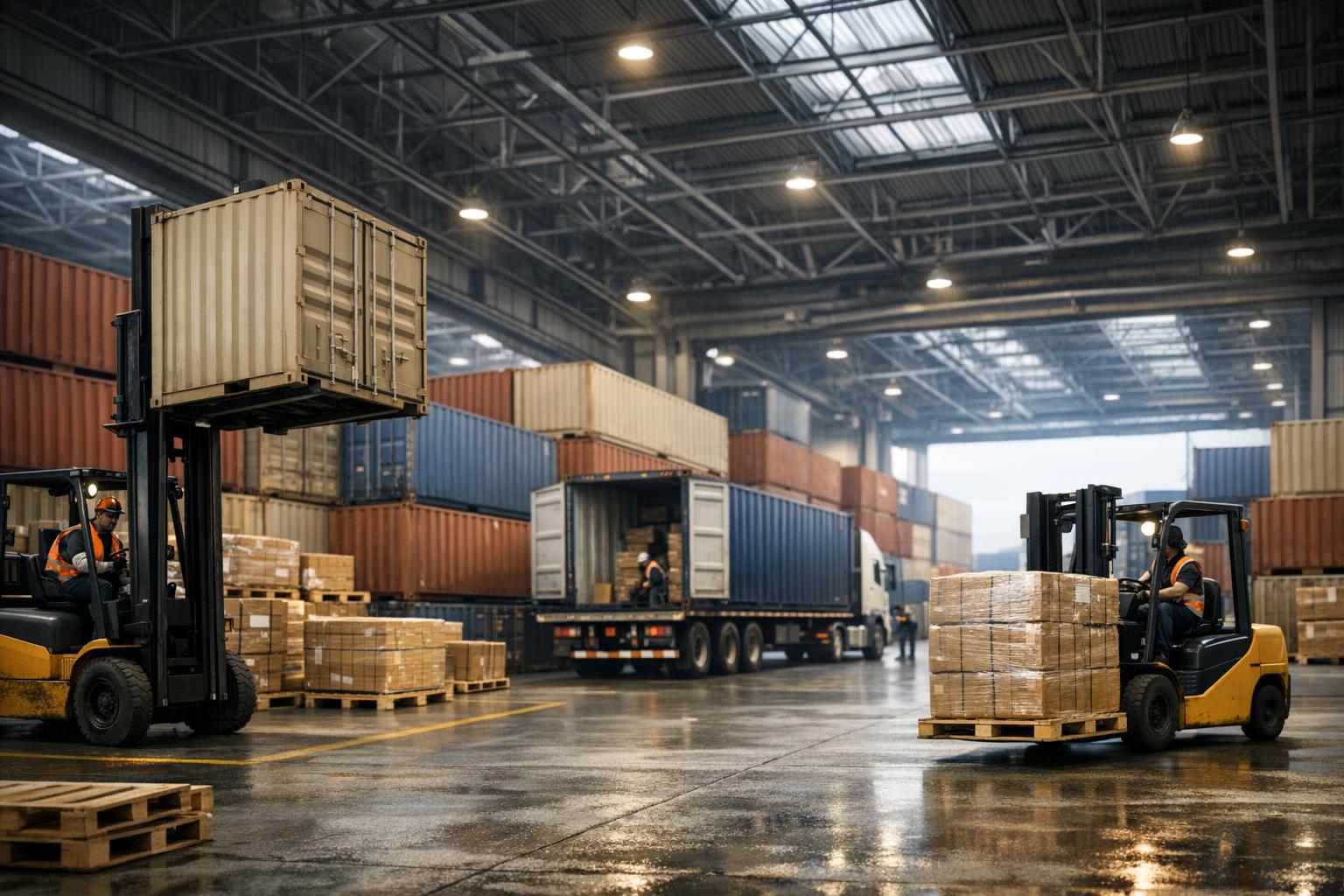
Using bonded warehouses in Mexico offers importers a strategic advantage in managing inventory and deferring duties. We explore how these facilities enhance flexibility and optimize import processes on a national level.
- Bonded warehouses allow storage of foreign or national goods under customs control with deferred tax payment.
- The Strategic Bonded Warehouse (Recinto Fiscalizado Estratégico – RFE) regime offers special tax treatment and streamlined customs procedures.
- Recent reforms have introduced new operational obligations and documentation requirements for bonded warehouses.
- Using these warehouses can optimize cash flow and improve supply chain efficiency for importers across Mexico.
- Understanding the regulatory framework is essential to leverage bonded warehousing benefits fully.
- Integrating bonded warehouses enables importers to strategically plan inventory extraction aligned with market demand.
- Collaboration between the National Customs Agency (ANAM) and SAT ensures compliance and security throughout bonded operations.
What Are Bonded Warehouses and How Do They Work in Mexico?
Definition and Legal Framework
Bonded warehouses are authorized storage facilities where goods of foreign or national origin can be stored under customs supervision without immediate payment of import duties and taxes. In Mexico, the bonded warehouse regime is regulated by the Ley Aduanera and related regulations. We must ensure the warehouse is authorized by the Tax Administration Service (SAT) and the National Customs Agency (ANAM).
Types of Bonded Warehouses
The most notable is the Strategic Bonded Warehouse (Recinto Fiscalizado Estratégico – RFE), a privately owned facility within customs jurisdiction that provides special tax treatment and permits admission, processing, and deferred duty payment until goods are extracted. This framework supports importers by facilitating quicker customs procedures and enhanced operational control.
Benefits of Using Bonded Warehouses for Importers in Mexico
Flexibility in Duty Payment
Storing merchandise in bonded warehouses allows us to defer the payment of import duties and VAT until the goods are withdrawn. This improves cash flow and reduces the financial burden at the point of importation.
Improved Inventory Management
We can use these warehouses to stage inventory close to production or distribution centers, as seen in successful cases like near Celaya’s Bajio Logistics Center. This allows for better demand-driven extractions and mitigates risks associated with border crossing delays.
Customization and Processing
Under the RFE regime, logistics operators may perform packaging, labeling, or minor manufacturing activities without triggering immediate tax events, creating opportunities for value-added services while goods remain under customs control.
Streamlined Customs Procedures
The regulated environment facilitates a faster customs clearance process by concentrating goods in a single authorized location, reducing routine audits and inspections at multiple points.
Regulatory Changes and Obligations Impacting Bonded Warehouses
Recent Amendments to the Customs Law
In 2026, reforms introduced new obligations concerning the operation, administration, and withdrawal procedures for bonded warehouses. These include stricter compliance for documentation, longer mandatory storage periods, and enhanced inspection protocols by the authorities.
An expert from HKLaw emphasized that “These amendments aim to increase transparency and security while allowing flexibility for legitimate trade operations.” This reflects ongoing efforts to balance facilitation with regulatory control.
Licensing and Authorization Process
Authorization to operate a bonded warehouse involves rigorous evaluation by SAT and ANAM. This includes compliance with the Ley General de Organizaciones y Actividades Auxiliares del Crédito, ensuring the facility meets technical and security standards.
Once approved, warehouses must maintain accurate records of entries and withdrawals, comply with health and border security measures, and submit to periodic audits.
Strategic Use Cases for Bonded Warehouses Across Mexico
Cross-Border Manufacturing and Distribution
Many importers leverage bonded warehouses adjacent to production plants to store imported components. This enables just-in-time manufacturing and eliminates frequent customs clearance, resulting in cost savings and operational agility.
Sectors Benefiting from PROSEC and Bonded Storage
The Sectoral Promotion Program (PROSEC) complements bonded warehouse use by granting tariff exemptions or reductions on inputs. Importers in automotive, electronics, and textiles industries combine these mechanisms to maximize duty savings.
Case Study: Yusen Logistics’ Bajio Center
Yusen’s Bajio Logistics Center near Celaya demonstrates how bonded status enables secure cargo storage without immediate duty payments, facilitating customer flexibility and expedited supply chain operations in central Mexico.
Compliance and Best Practices for Importers Utilizing Bonded Warehouses
Documentation and Recordkeeping
Managing bonded warehouse operations requires meticulous documentation, including customs declarations, inventories, and proof of authorized activities inside the warehouse. Delays or inaccuracies can incur penalties or suspension of bonded status.
Collaboration with Customs Brokers and Freight Forwarders
Working closely with customs brokers enhances compliance and streamlines clearance procedures. Our detailed comparison of freight forwarders and customs brokers explains their complementary roles in managing bonded warehouse imports (Roles and Responsibilities of a Freight Forwarder vs Customs Broker).
Monitoring Regulatory Updates
As Mexican customs law evolves, staying informed about amendments ensures operational continuity. New provisions may affect warehouse licensing, storage duration, and customs clearance rules; hence, periodic review and adjustment of internal controls are paramount.
How Bonded Warehouses Align with Mexico’s National Trade Objectives
Enhancing Trade Security and Tax Collection
The joint oversight by ANAM and SAT reinforces border security, health protection, and efficient tax collection while facilitating international trade. Bonded warehouses play a key role by keeping goods under customs control in secure environments.
Supporting Export Competitiveness
By deferring taxes and enabling processing within bonded warehouses, exporters can better manage costs and adapt quickly to market demands, boosting Mexico’s position in global supply chains.
Promoting Regional Economic Development
Strategically located bonded warehouses bring investment and job creation, integrating Mexico’s logistics infrastructure with manufacturing hubs and international gateways.
Reflecting on all these aspects, we see that bonded warehouses are indispensable tools for modern importers aiming to optimize flexibility and compliance in Mexico’s dynamic trade environment.
We recommend complementing this knowledge with other practical import guidance, such as How to Navigate Mexico’s Import Licensing Requirements, to ensure smooth operations.
Conclusion
In our experience, using bonded warehouses in Mexico significantly enhances importer flexibility by optimizing cash flow, improving inventory control, and simplifying customs processes. Staying aligned with regulatory changes and leveraging strategic programs like PROSEC enable us to fully capitalize on these benefits, supporting our goals within the national trade framework. For tailored advice and ongoing support, exploring resources at brokermx.com remains essential for importers seeking to thrive in Mexico.
Frequently Asked Questions
- What goods are eligible for storage in bonded warehouses?
Generally, foreign goods awaiting customs clearance and certain national products can be stored, depending on the warehouse’s authorization and customs approval. - How long can merchandise remain in a bonded warehouse?
The storage period is subject to customs regulations and specific authorizations, but recent reforms have introduced stricter limits and require justifications for extended stays. - Are duties automatically waived when goods enter a bonded warehouse?
No, duties are deferred, not waived. Payment occurs only when goods are extracted for domestic consumption. - Can bonded warehouses conduct manufacturing or processing activities?
Yes, minor operations are permitted under the Strategic Bonded Warehouse regime but must comply with customs rules to avoid triggering immediate tax liabilities. - What are the main compliance risks when using bonded warehouses?
Risks include inaccurate recordkeeping, unauthorized withdrawals, and failure to meet documentation or security requirements, potentially resulting in penalties or suspension of bonded status.
To better understand customs compliance, we also recommend reviewing Exporting Goods from Mexico: Regulatory Steps and Documentation.
If you want to maximize your import flexibility and reduce costs using bonded warehouses in Mexico, let’s connect and navigate the regulatory environment together. Visit our website and discover tailored solutions to streamline your customs and logistics operations efficiently.