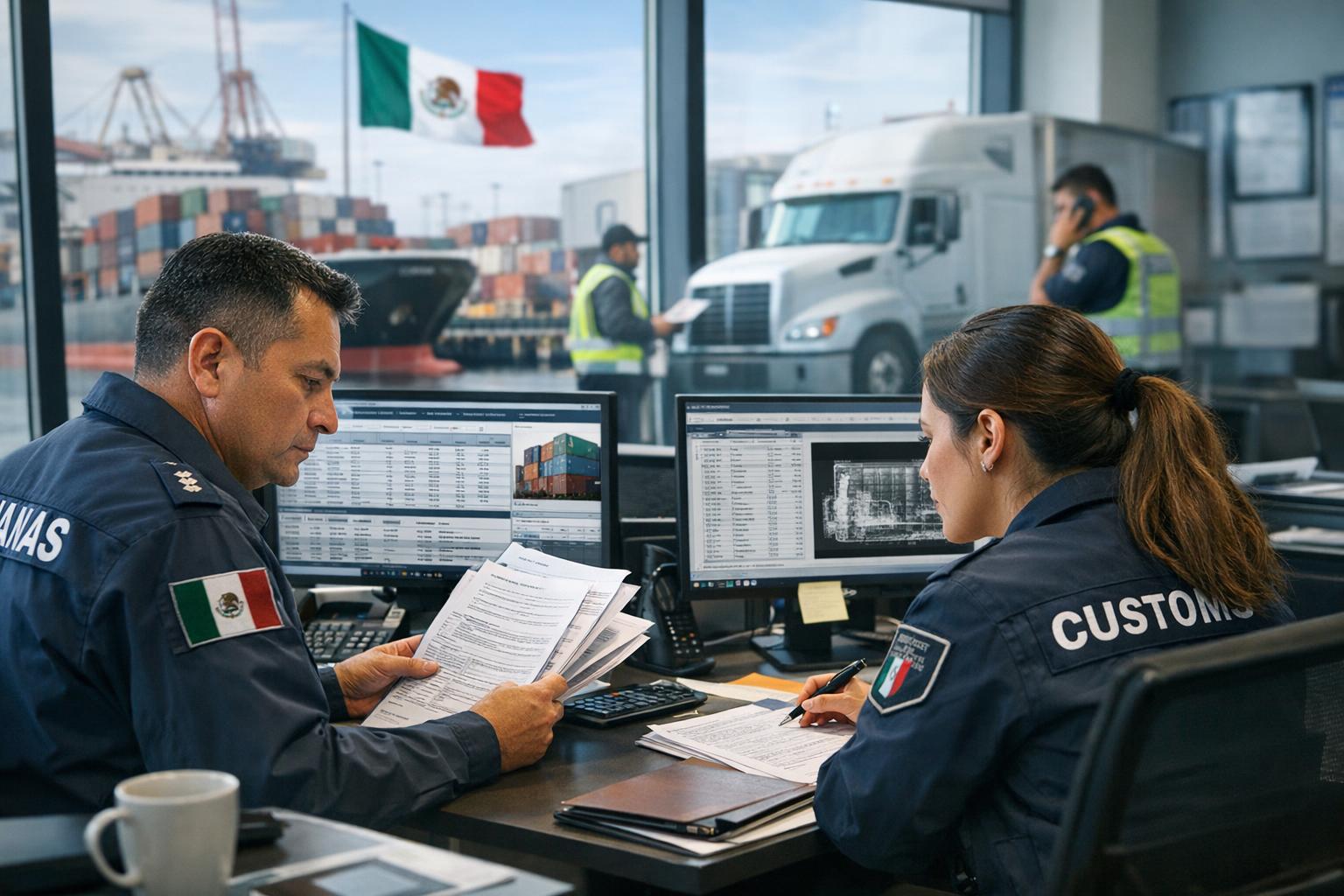
We understand how critical the Reforma Fiscal, especially the recent changes to the Ley Aduanera, is for importers across Mexico. Navigating these reforms requires us to stay informed and adapt quickly to ensure compliance and optimize operations.
The fiscal reforms that come into effect in 2026 introduce significant amendments targeting importers, aiming to strengthen customs controls, enhance tax collection, and combat fraud effectively.
- Introduction of stricter valuation rules to prevent merchandise undervaluation.
- New documentation and procedural requirements for importers.
- Enhanced powers for customs authorities to prevent tax evasion.
- Changes in tax incentives and fiscal stimuli for certain sectors.
- Increased penalties for non-compliance and subvaluation.
- Implementation timelines and transitional provisions for importers.
Key Changes in Customs Valuation Under the 2026 Reforma Fiscal
Understanding the New Articles and Their Implications
Among the reformed articles in the Ley Aduanera are Articles 151, 153, 154, and 177, which focus on customs valuation and compliance. We see that the authorities are tightening the control on declared values to avoid subvaluation, which means we must be meticulous in how we present commercial invoices and supporting documentation.
For instance, Article 151’s modification increases scrutiny on transaction values, requiring more detailed disclosures on the origin and cost components of imported goods. This is aimed at curbing under-invoicing, a key source of tax base erosion.
Practical Steps for Import Compliance
- Maintain accurate and transparent price records.
- Ensure all costs related to goods, such as transportation and insurance, are properly documented.
- Use digital manifests and value declarations in accordance with updated electronic systems.
New Documentation and Reporting Requirements for Importers
Adaptations to Digital and Physical Filing Systems
The fiscal reform introduces an expanded role for electronic declarations, including the Manifestación de Valor Electrónica (MVE), whose mandatory implementation date has been extended to ensure businesses transition effectively. We have to reinforce our internal audit capacities and update record-keeping to comply.
Additionally, the reform modifies procedures for obtaining import authorizations and concessions, streamlining some processes but demanding greater diligence on the importer’s side.
Common Challenges and How We Can Address Them
- Integrating new electronic documentation with existing ERP systems.
- Training staff on new submission protocols.
- Establishing stricter internal controls to reduce errors and avoid penalties.
Impact of Increased Penalties and Fiscal Sanctions on Import Operations
Understanding the Consequences of Non-Compliance
The reform highlights tougher sanctions for subvaluation and customs fraud, including higher fines and potential criminal liability. As importers, we are exposed to these risks if we fail to meet the new compliance standards.
An industry expert recently noted, “The recent reform drastically shifts the risk landscape for importers—companies must adopt a proactive compliance approach to mitigate fiscal exposure and operational disruptions.” This reinforces the importance of thorough risk assessment and consultant partnerships.
Strategies to Minimize Risk
- Implement preventive audits on customs documentation.
- Engage customs brokers and legal advisors who are updated on Reforma Fiscal specifics.
- Regularly review import pricing and supplier contracts to ensure transparency.
Fiscal Incentives and Stimuli for Importers in 2026
Opportunities to Optimize Tax Liabilities
The reform also introduces some fiscal stimuli, particularly regarding the acquisition of diesel and biodiesel blends used in business operations. By properly leveraging these incentives, importers dealing in relevant sectors can reduce their overall tax burden.
Besides, aligning import activities with government-supported initiatives can open further benefits, though it demands compliance with additional reporting and certification requirements.
How to Qualify for These Benefits
- Register with the tax authorities as an eligible business.
- Maintain detailed records of relevant fuel purchases linked to import operations.
- Stay informed about updates published by the Secretaría de Hacienda y Crédito Público.
How to Navigate Import Licensing and Authorization Processes
Streamlining Import Operations Under New Regulations
With reforms to permit processes, we find that applications for import licenses and permits require updated documentation and adherence to stricter guidelines. The Secretaría de Hacienda y Crédito Público has set new frameworks to ensure transparency and reduce delays.
We recommend collaborating closely with customs brokers to expedite approvals, reducing the risk of shipment holds or penalties.
For a deeper understanding of import procedures, we often consult detailed guides such as How to Navigate Mexico’s Import Licensing Requirements.
Tips for Compliance and Efficiency
- Prepare comprehensive application packets well ahead of shipment arrivals.
- Use authorized digital platforms for submissions and follow-up.
- Stay updated on transitional provisions announced by customs authorities.
Enhancing Customs Broker and Freight Forwarder Collaboration
Leveraging Expert Roles to Ensure Smooth Import Processes
Given the heightened control measures under the fiscal reform, working closely with trusted customs brokers and freight forwarders has become more vital than ever. These professionals help interpret evolving regulations and ensure paperwork aligns with new standards.
Understanding the distinctions and complementarities of both roles helps us assign responsibilities efficiently, reducing logistical bottlenecks and compliance risks.
Our team frequently refers to the resource Roles and Responsibilities of a Freight Forwarder vs Customs Broker for best practices in this collaboration.
Practices to Implement
- Assign dedicated contacts within both customs brokerage and freight forwarding teams.
- Schedule regular coordination meetings during shipment cycles.
- Stay current on regulatory changes and technology platforms being adopted.
Conclusion
Facing the 2026 Reforma Fiscal with solid knowledge and proactive strategies is key to thriving as importers in Mexico. We believe that embracing digital compliance tools, fostering strong professional partnerships, and staying ahead of regulatory updates will enable us to navigate these changes smoothly.
At BrokerMX, we find valuable support and insights that help us anticipate impacts and adjust our import operations effectively. By sharing knowledge and working collaboratively, we ensure our businesses remain compliant and competitive.
FAQ
What are the main objectives of the 2026 Reforma Fiscal for importers?
The reform aims to prevent tax evasion, enhance customs valuation accuracy, and impose stricter compliance requirements.
How does the reform affect customs valuation of imported goods?
The reform tightens rules on declared values, demanding more detailed and verifiable transaction data to avoid under-invoicing.
What penalties should importers expect for non-compliance under the new law?
Penalties include higher fines, suspension of import licenses, and potential criminal charges in cases of fraud.
Are there any fiscal incentives available for importers in the reform?
Yes, certain incentives apply, such as tax credits related to fuel purchases used in business operations and potentially others depending on activity sectors.
How can importers prepare for the new electronic documentation requirements?
By upgrading their digital systems, training personnel, and closely monitoring deadlines for submitting electronic declarations such as the Manifestación de Valor Electrónica.
How important is the role of customs brokers with these reforms in place?
Customs brokers are crucial partners to interpret the regulatory environment, assist in compliance, and ensure timely and correct import procedures.
We encourage importers to continuously update themselves and seek expert advice to adapt efficiently to these reforms and maintain smooth cross-border operations.
If you want to learn more about managing duties and taxes in cross-border shipping effectively, check out How to Calculate Duties and Taxes for Cross‑Border Shipping.
Remember, staying informed and prepared ultimately saves time, money, and protects your business reputation.
Let’s continue to maximize our compliance and operational excellence together.