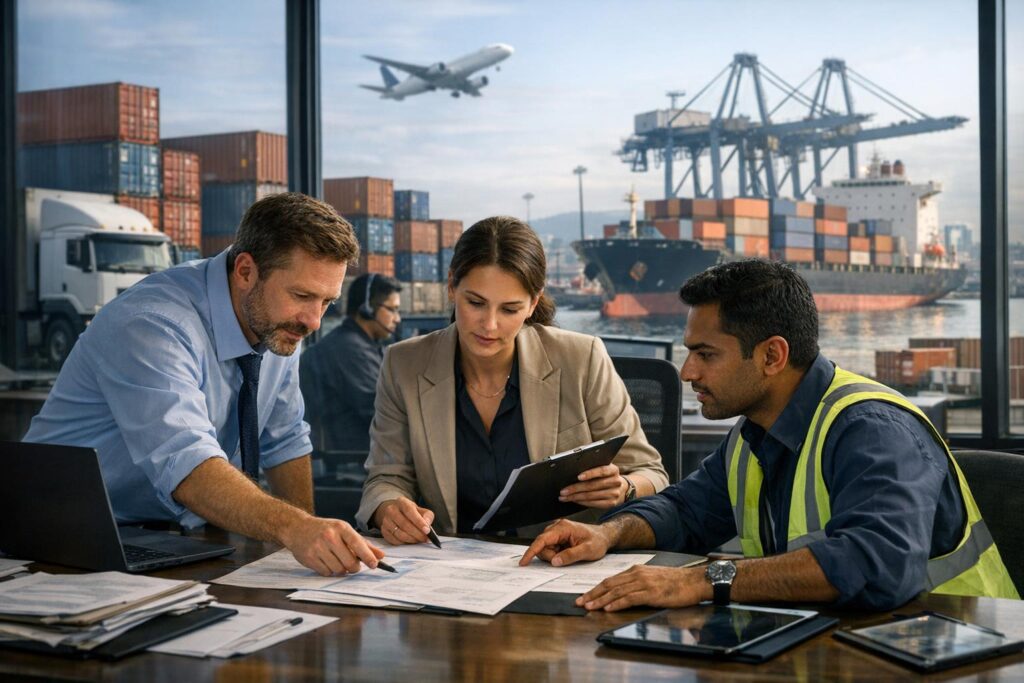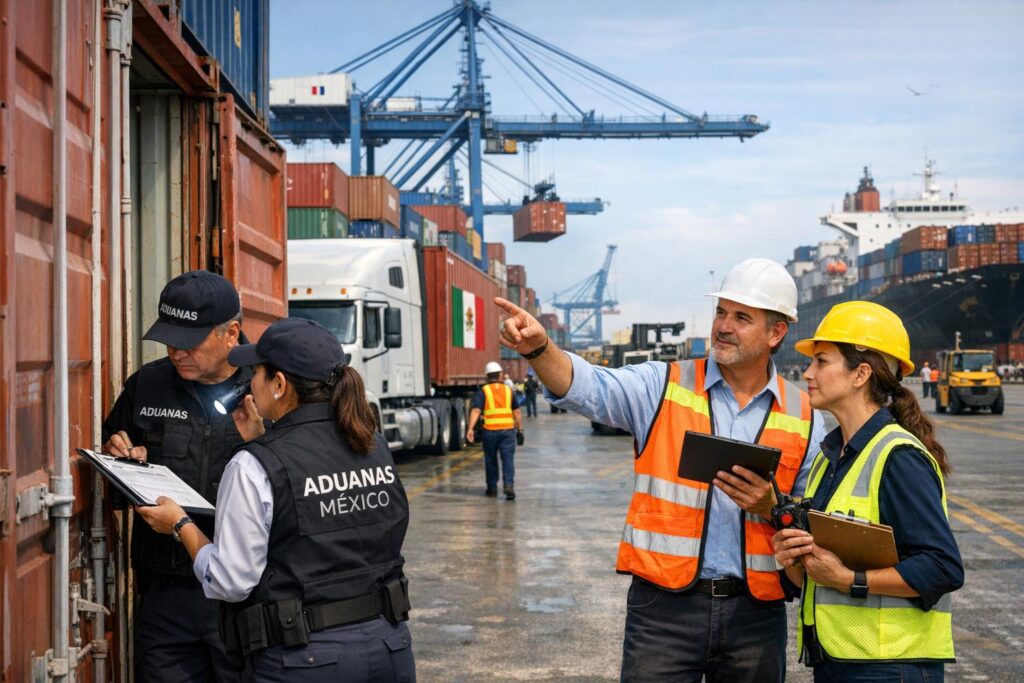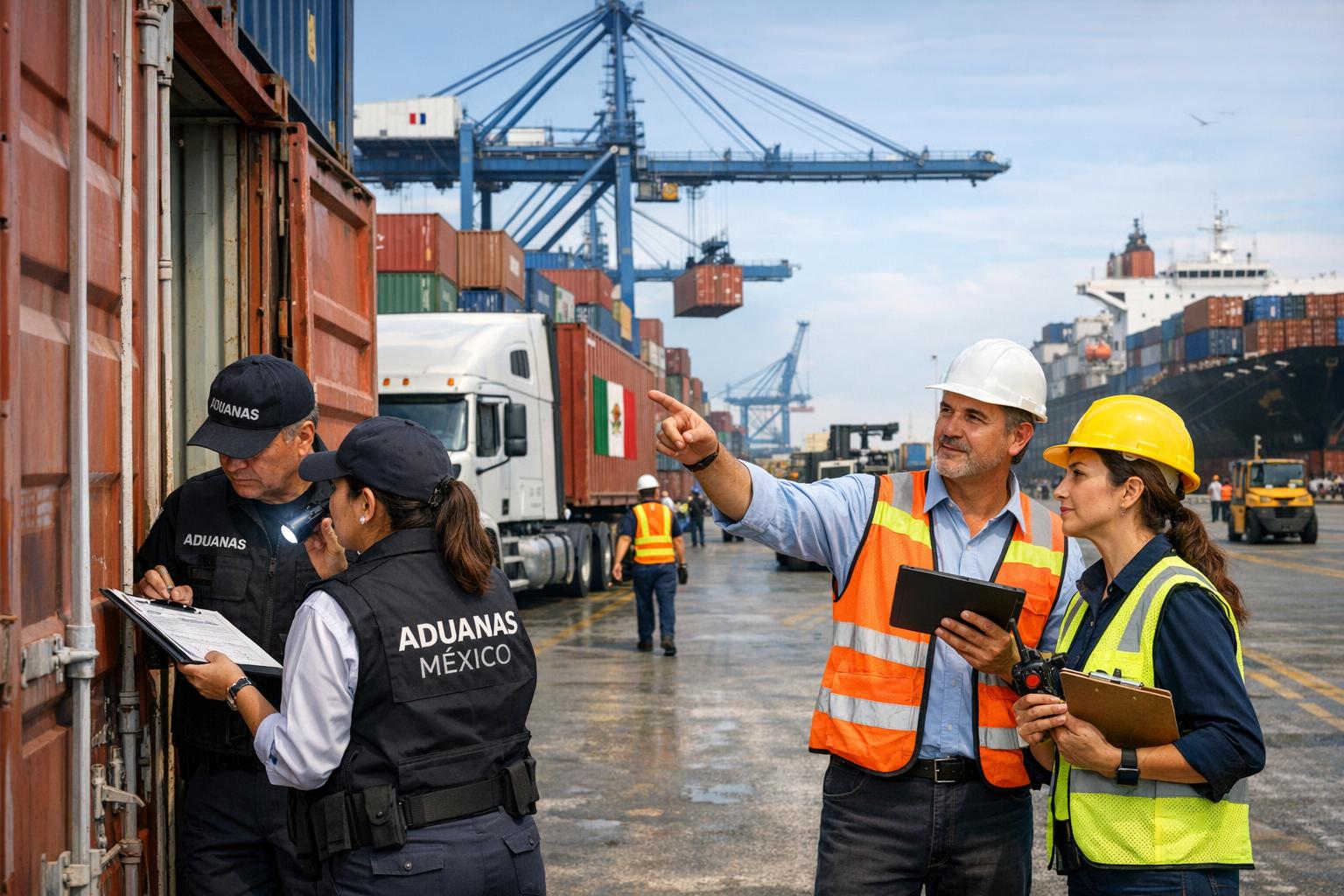
We understand the complexities involved in exporting goods from Mexico, and we aim to simplify the regulatory steps and documentation required. Navigating the export process can be challenging, but with the right guidance, we can ensure a smooth experience.
Exporting goods from Mexico involves multiple regulatory requirements and documentation steps, which are essential to comply with both national laws and international standards. In this article, we break down these processes clearly to help you export confidently.
- Understand Mexican export regulations and customs procedures.
- Identify the necessary documentation for export shipments.
- Learn the roles of key agencies, including customs authorities.
- Explore the typical timeline and steps for processing exports.
- Discover helpful resources and tools for export compliance.
- Find tips to avoid common export mistakes and delays.
- Gain insight into the types of goods and trade restrictions.
Mexican Export Regulations and Compliance
Key Regulatory Bodies
We recognize that compliance is vital when exporting. In Mexico, agencies such as the Secretaría de Economía and the Servicio de Administración Tributaria (SAT) oversee export regulations. SAT manages customs controls, while Secretaría de Economía handles trade policies and export permits.
Additionally, depending on the product, other entities like COFEPRIS (health-related products) or SAGARPA (agriculture) play roles in regulation.
Export Licenses and Restrictions
We always ensure that for certain products, obtaining export permits or licenses is mandatory. For example, raw materials, pharmaceuticals, and strategic products require prior authorization. Failing to obtain these can result in shipment delays or fines.
Essential Documentation for Exporting Goods
Commercial Invoice and Packing List
The commercial invoice proves the sales agreement and contains detailed information about the buyer, seller, goods description, prices, and payment terms. Meanwhile, the packing list specifies the contents and packaging details. We prioritize accuracy in these documents to prevent customs issues.
Export Declaration (Pedimento de Exportación)
File this legal document with Mexican customs. It includes customs tariff codes (HS codes), value declarations, and details about the shipment. It’s a crucial step before goods can leave the country.
Certificate of Origin
This certificate confirms the origin of goods and allows exporters to benefit from trade agreements like USMCA. Providing it can reduce tariffs or simplify customs clearance in destination markets.
Other Supporting Documents
Depending on the goods, additional documents such as sanitary certificates, phytosanitary certificates, or export permits may be necessary. It is best to verify these ahead with the corresponding authorities.
Steps to Successfully Export Goods from Mexico
Step 1: Product Classification
We classify goods using the Harmonized System (HS) codes to determine the applicable tariffs and requirements. Proper classification helps avoid compliance issues.
Step 2: Obtain Necessary Permits
Based on the product type, this may involve seeking export licenses or compliance certificates from relevant agencies.
Step 3: Prepare Export Documentation
We gather all required documents including commercial invoices, packing lists, certificates of origin, and export declarations. Ensuring all paperwork is complete is critical for smooth processing.
Step 4: Customs Clearance
We submit the export declaration electronically through the Ventanilla Única de Comercio Exterior (VUCEM) system. Customs authorities review documents and may inspect goods before authorizing shipment.
Step 5: Transportation and Logistics
Organizing freight with carriers experienced in Mexican exports protects the shipment from mishandling or delays. Efficient logistics management guarantees on-time delivery.
Step 6: Post-Export Processes
We keep records of export transactions and monitor compliance audits to maintain good standing with regulatory agencies.
Common Challenges and How We Address Them
Delays Due to Incomplete Documentation
Incomplete or inconsistent paperwork causes significant delays. We double-check documents before submission, leveraging platforms like VUCEM and collaborating with trusted customs brokers.
Understanding Tariff and Tax Implications
Misclassification or underreporting value leads to fines. Our team stays updated on tariff schedules and valuation rules, referring to reputable sources such as the SAT’s customs guidelines.
Managing Export Restrictions
Certain materials may be restricted or banned. We proactively verify product eligibility to export and communicate promptly when additional approvals are needed.
Leveraging Technology for Export Compliance
Digital Platforms
We utilize electronic systems like VUCEM to file export declarations securely and efficiently. This approach reduces errors and expedites customs processing.
Metadata and Data Accuracy
INEGI’s Red Nacional de Metadatos helps us access statistical data that supports compliance and informed decision-making throughout the export chain.
Leveraging Free Trade Agreements and Export Incentives
Benefits of USMCA and Other FTAs
Mexico’s participation in regional trade agreements grants preferential tariff treatment. We ensure compliance with rules of origin to leverage these benefits.
Government Support Programs
We explore programs like PROSEC or IMMEX that offer tax relief or streamlined export processes, enhancing competitiveness.
A notable expert in international trade remarked, “Thorough preparation and adherence to regulatory frameworks not only expedite exports but also build trust with international partners.” This underscores the importance of compliance in our export activities.
To deepen our understanding of customs valuation, we often refer to resources such as Understanding Mexico’s Customs Valuation Rules, which helps clarify key concepts relevant to duties and taxes.
Export Statistics Highlighting Mexico’s Global Role
We observe from recent data released by INEGI that Mexico’s exports have shown consistent growth, with increases of over 7% in 2025, reflecting the country’s expanding role in global trade. This trend motivates us to uphold high standards in export practices.
The value of Mexico’s merchandise exports climbed to over 55 billion dollars by August 2025, evidencing the importance of efficient and compliant export procedures for continued success.
Why Partnering with Expert Brokers Makes a Difference
Working with seasoned customs brokers and logistics experts helps us navigate complex export requirements and mitigate risks. For example, BrokerMX has demonstrated how enhancing efficiency through expert partnerships secures compliance and expedites shipments. You can learn more about their approach in Enhancing Efficiency: BrokerMX’s Partnership with a Latin American Exporter.
In conclusion, understanding the regulatory landscape and meticulously preparing export documentation is essential for successful international trade from Mexico. By applying these guidelines and leveraging expertise, we position ourselves for global growth and compliance.
We encourage everyone involved in Mexican exports to take advantage of reputable resources and expert support, including sites like BrokerMX, to optimize their export operations.
Frequently Asked Questions
- What documents are required to export goods from Mexico?
Commercial invoice, packing list, export declaration (pedimento), certificate of origin, and when applicable, permits or health certificates. - Which government agencies regulate exports in Mexico?
Primary regulators include the Secretaría de Economía, Servicio de Administración Tributaria (SAT), and depending on the product, agencies like COFEPRIS or SAGARPA. - How do we classify products for export?
Using the Harmonized System (HS) codes, which determine tariff rates and regulatory requirements. - What is the purpose of the export declaration?
To provide customs authorities with detailed shipment data for clearance and compliance verification. - How can we reduce delays during the export process?
By ensuring complete and accurate documentation, using electronic filing systems like VUCEM, and consulting experienced customs brokers.
Take Action and Simplify Your Mexican Export Process Today
Let’s commit to mastering the regulatory steps and required documentation to export goods from Mexico efficiently. With thorough preparation and expert guidance, we can open doors to global markets confidently. Visit BrokerMX for valuable insights and professional support on your export journey.