We understand the complexities involved in importing textiles into Mexico. This guide will help us navigate tariffs and non-tariff barriers effectively, ensuring a smooth import process.
By exploring regulations, tariff rates, and mandatory standards, we position ourselves for success in Mexico’s textile market.
Let’s deep dive into the key aspects affecting textile imports and how we can manage compliance and costs.
- Mexico applies tariffs ranging from 5% to 35% on textile imports depending on classification.
- Non-tariff barriers (NTBs) such as labeling requirements and import permits are strictly enforced.
- Registration in Sector 11 of the Importers Registry is mandatory for textile importers.
- The Mexican Official Standard NOM-004-SE-2021 regulates commercial information and labeling.
- Anti-dumping duties mainly impact textile products from certain countries like China.
- Understanding both tariff and non-tariff measures is essential for cost-effective importing.
- Proper documentation and adherence to regulations can prevent delays and fines.
Understanding Mexico’s Textile Import Tariffs
Tariff Ranges and Categories
In our experience, Mexico imposes import tariffs on textiles ranging from 5% to 35%. These tariffs depend on the specific subcategory and classification under Mexico’s tariff schedule (LIGIE). For example, textiles generally face tariffs between 15% and 35%, with clothing articles often at the higher end.
The decree published recently imposes tariffs on 185 tariff lines including many textile-related categories. Being aware of the exact tariff classification of the product we intend to import is critical to calculate costs accurately.
Temporary Tariff Measures and Anti-Dumping Duties
We must also consider temporary tariffs and anti-dumping duties, which Mexico enforces to protect the domestic industry. Textiles from countries like China frequently face anti-dumping measures, impacting final import duties.
These measures can significantly increase landed costs, so a case-by-case analysis based on origin and product type is necessary. A trade expert once told us that “navigating Mexico’s anti-dumping landscape requires vigilance and up-to-date knowledge to avoid costly surprises.”
Non-Tariff Barriers in Textile Imports
Mandatory Importer Registration
One essential hurdle is registration in the Official Importers Registry, specifically for Sector 11, which covers textiles and apparel. Without this registration, we cannot legally import textile products into Mexico.
This requirement helps Mexican authorities maintain control over textile imports and prevent illegal trade practices. We advise initiating registration procedures well in advance.
Labeling Compliance According to NOM-004-SE-2021
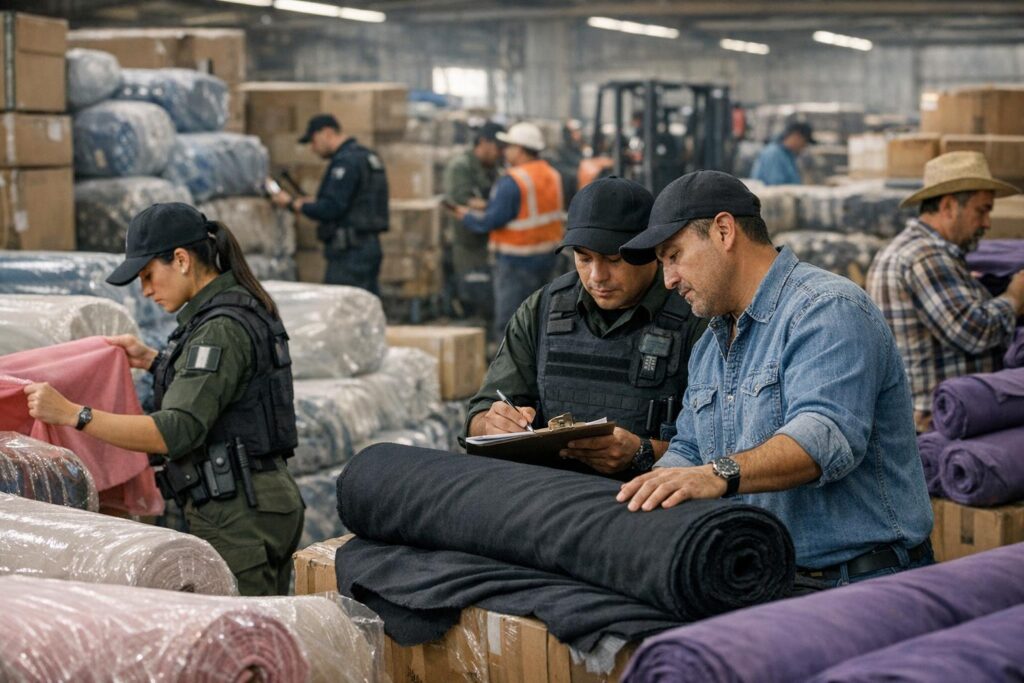
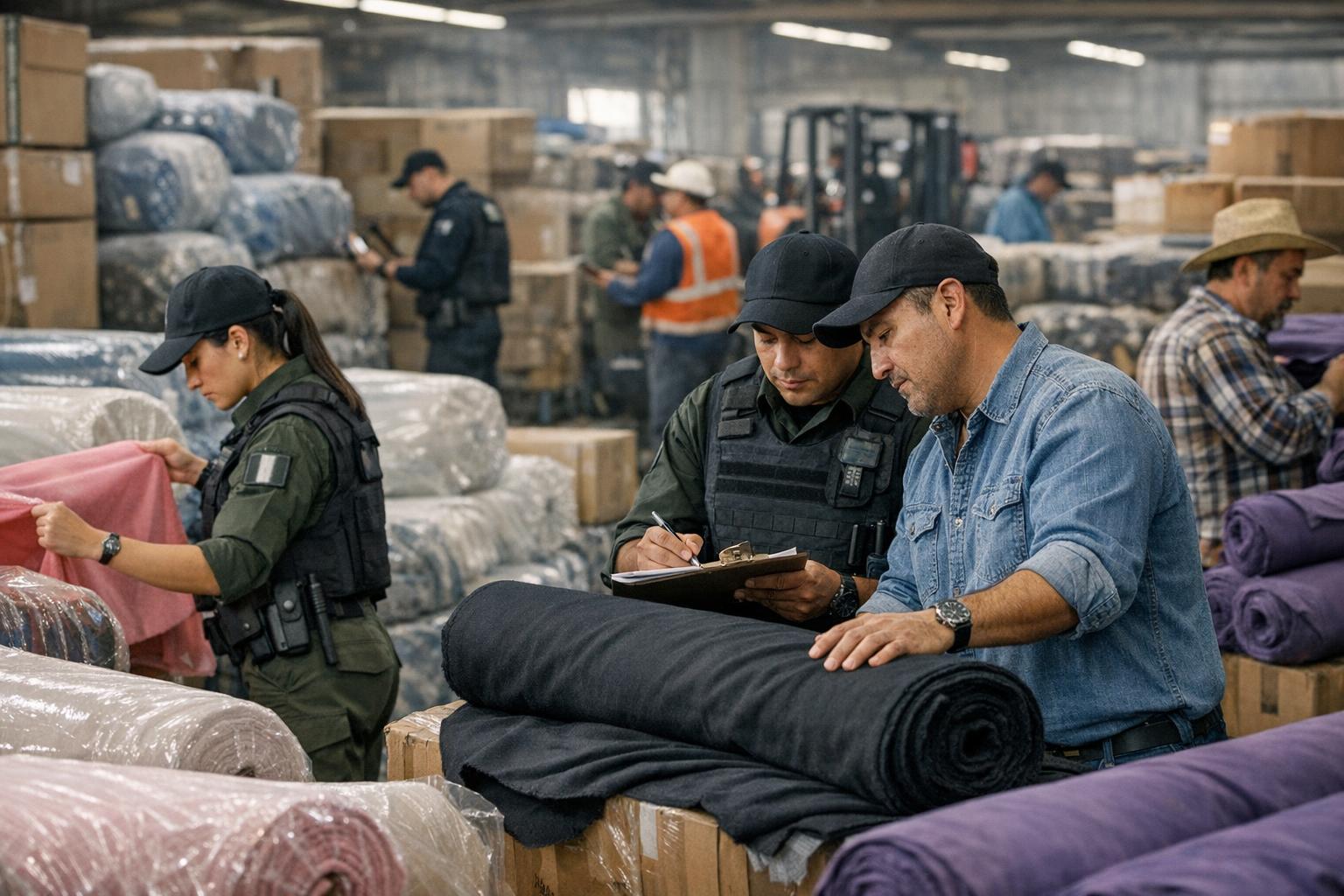
The Mexican Official Standard NOM-004-SE-2021 governs labeling of textile products, clothing, accessories, and household linens. Complying with these standards is not optional—textile imports without proper labeling cannot clear customs.
According to the standard, importers must ensure labels include:
- Product fiber content in Spanish.
- Country of origin.
- Name and fiscal address of the importer or manufacturer.
- Care instructions.
- Size and textile care pictograms where applicable.
Given that non-compliance results in shipment delays and penalties, we always recommend rigorous label review aligned with NOM-004-SE-2021.
Other Regulatory Measures and Documentation
Besides labeling and registration, other regulations impact textile imports:
- Sanitary and phytosanitary measures when applicable.
- Compliance with sector-specific import controls.
- Providing commercial invoices, certificates of origin, and other required documentation aligned with Mexican customs policies.
Paying attention to all documentation details helps avoid unexpected customs holdups.
How to Optimize Costs and Compliance When Importing Textiles
Strategic Tariff Planning
We always start by meticulously classifying our products using the LIGIE tariff codes. This allows us to identify the correct tariff and check if any preferential trade agreements apply, such as USMCA, which can reduce or eliminate tariffs.
In some cases, exploring alternative sourcing or manufacturing locations may help cut tariffs or bypass anti-dumping duties.
Partnering With Trusted Customs Brokers
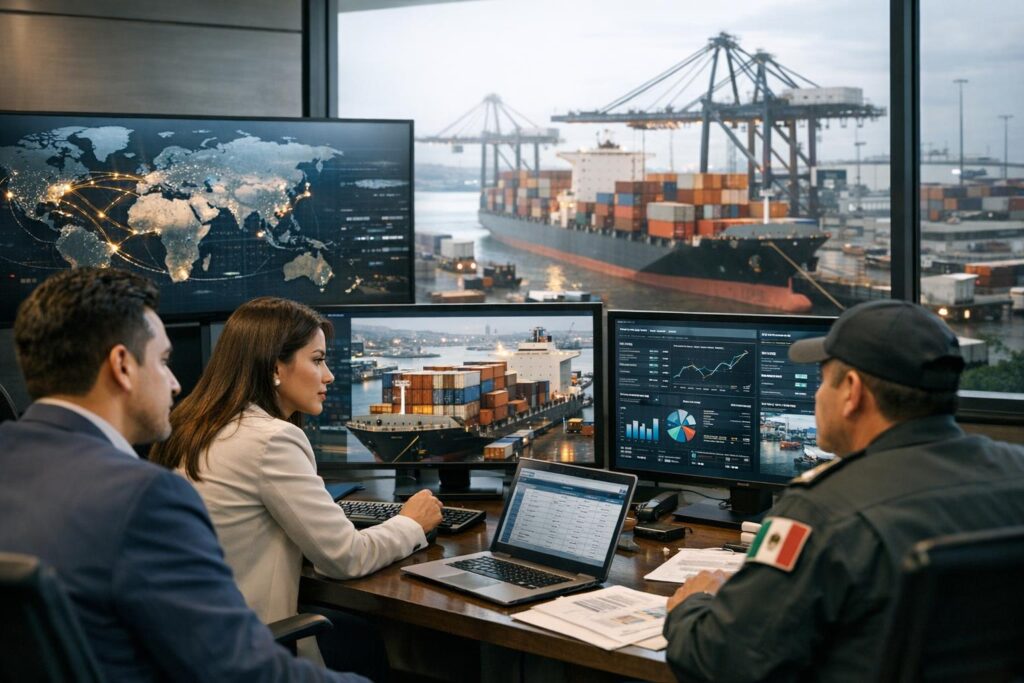
Leveraging the expertise of established customs brokers ensures we stay updated with changing import regulations. Brokers can expedite registration in Sector 11 and verify label compliance before shipping.
For example, BrokerMX’s approach to compliance highlights how expert partners simplify complex import procedures, a principle we highly endorse.
Impact of Trade Agreements on Textile Imports
USMCA and Other Free Trade Agreements
Mexico’s participation in trade agreements like the USMCA can reduce tariffs on qualifying textile goods. To benefit, we must ensure origin criteria are met and proper documentation is submitted.
While tariffs may be reduced or waived, NTBs such as labeling and registration remain in force, so compliance cannot be overlooked.
Rules of Origin Verification
Proving the origin of textile goods through certificates is key to gaining tariff benefits. Incorrect or missing certifications can result in higher tariffs or rejection of goods.
Managing Risks and Delays in Textile Imports
Common Bottlenecks
Delays usually occur due to non-compliance with labeling rules, incomplete documentation, or pending registration in the importer registry. Customs also intensifies inspections for textiles from countries under anti-dumping watch.
Proactively preparing all requirements minimizes risks and ensures timely customs clearance.
Monitoring Regulatory Updates
Regulations around textiles evolve regularly—especially regarding tariffs and NTBs. Staying current through official gazettes and advisory services is crucial. We are committed to continuous monitoring to avoid surprises.
For those interested in pharmaceutical imports, a complementary resource such as Best Practices for Importing Pharmaceuticals into Mexico offers insights on navigating similarly complex import sectors.
Conclusion
In sum, importing textiles into Mexico requires a balanced understanding of tariff structures and non-tariff barriers. We believe that thorough preparation—covering product classification, importer registration, and strict labeling compliance—is key to success.
By partnering with experienced customs brokers and staying informed about regulatory updates, we can minimize costs and avoid delays.
At BrokerMX, we are confident that this guide empowers us all to navigate Mexico’s import landscape more efficiently.
FAQ
What is the typical tariff range for textile imports into Mexico?
Tariffs usually range from 5% up to 35%, depending on product classification according to Mexico’s tariff schedule.
Are textile importers required to register with any specific authority?
Yes, all textile importers must register in Sector 11 of the Importers Registry to legally import textile and apparel products.
What labeling requirements must textile imports meet in Mexico?
Textiles must comply with NOM-004-SE-2021, including fiber content, origin, importer details, and care instructions clearly displayed on the label.
Do trade agreements like USMCA eliminate tariffs on textile imports?
They can reduce or eliminate tariffs if the products meet origin rules, but non-tariff barriers such as labeling and registration still apply.
How do anti-dumping duties affect textile imports from countries like China?
Anti-dumping duties increase tariffs temporarily to protect local industry and must be assessed on a case-by-case basis based on product type and origin.
We encourage importers to consult with specialized brokers to ensure full compliance and tariff optimization. Visit BrokerMX to explore expert services designed to simplify your textile import process into Mexico.