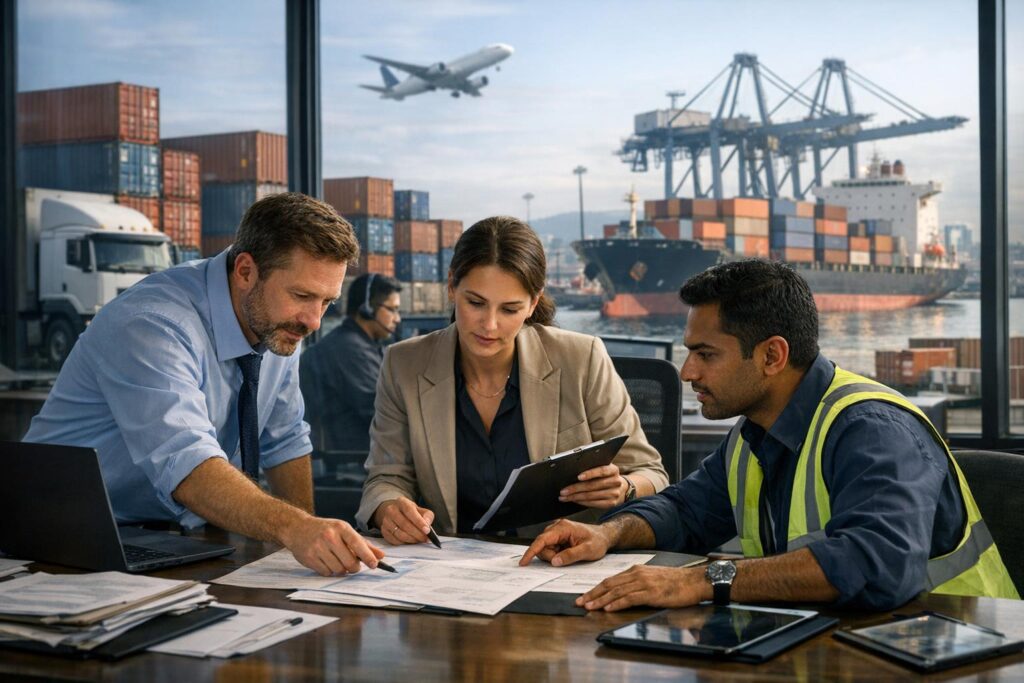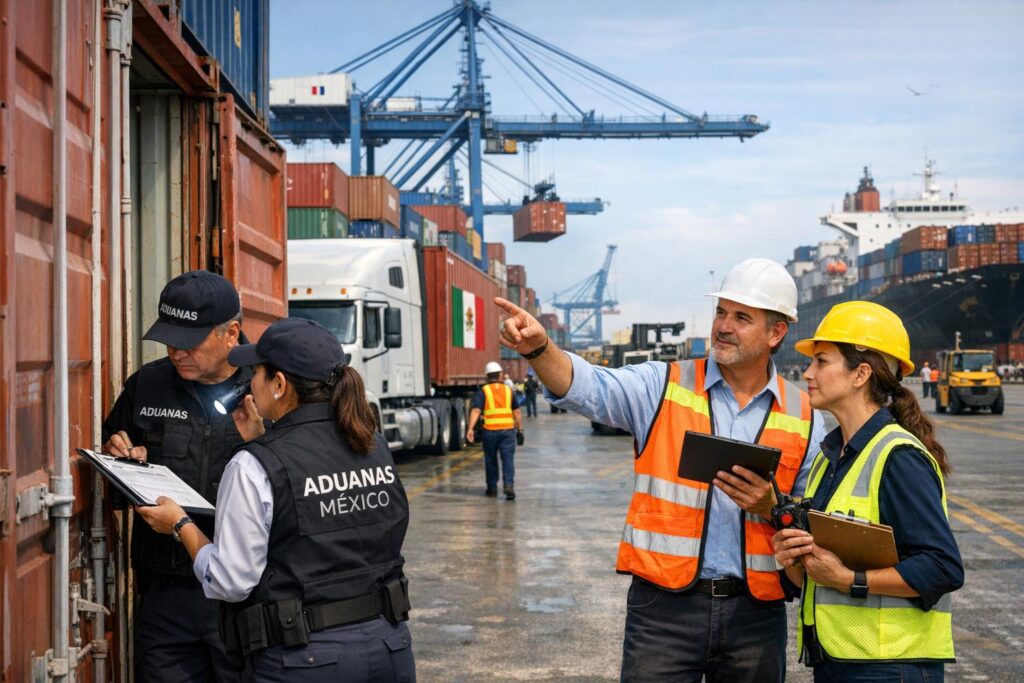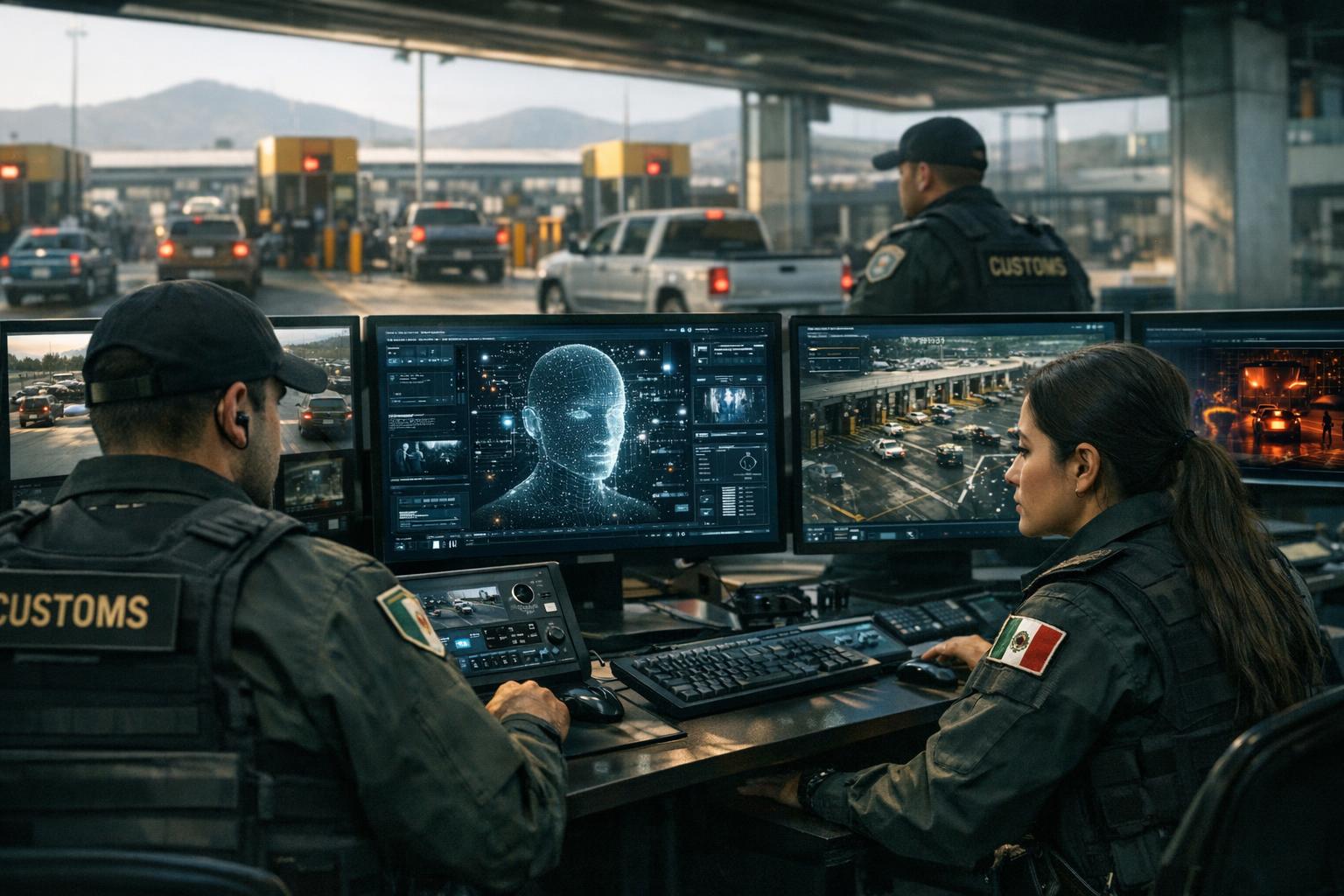
We believe the future of e-customs in Mexico will transform trade logistics with advanced technology and new regulatory frameworks. Embracing digital innovation is key to streamlining customs processes and boosting efficiency nationwide. Our insight into evolving e-customs systems reveals promising opportunities for importers, exporters, and government agencies alike.
- E-customs leverage AI and blockchain for faster clearance.
- Digitization reduces paperwork and human error in Mexico’s customs.
- Integration with global trade agreements like USMCA increases transparency.
- Stakeholders benefit from better risk management and compliance tools.
- Efficient e-customs foster competitiveness for Mexican businesses.
- Technological adoption aids in managing supply chain disruptions.
- Collaboration among agencies boosts security and trade facilitation.
How Digitization Is Revolutionizing Mexico’s Customs Processes
Technological Innovations in E-Customs
We see digitization as a cornerstone of the future Mexican customs landscape, incorporating AI enhancements including automated risk assessments and blockchain to secure transactions. These technologies minimize human error and speed up the release of goods, benefiting importers and exporters.
Digital customs management platforms enable real-time data sharing, improving transparency and coordination. This shift aligns with global best practices, enabling Mexico to efficiently handle customs at all entry points.
Regulatory Framework Adaptations
The Mexican government is updating laws to facilitate digital customs operations under frameworks consistent with international standards such as those encouraged by the World Customs Organization. These adaptations improve compliance and reduce processing times without compromising security.
This regulatory progress supports Mexico’s participation in global trade, especially through agreements like USMCA, as discussed in our article How USMCA Affects Your Imports into Mexico, ensuring e-customs systems remain compatible with cross-border expectations.
Benefits of Implementing Advanced E-Customs Solutions in Mexico
Efficiency and Speed Improvements
We understand that faster customs clearance directly reduces costs and inventory delays. Automated systems in e-customs allow customs brokers and businesses to process shipments swiftly, shortening lead times and enhancing supply chain responsiveness.
Enhanced Transparency and Security
With blockchain’s immutable ledger, every transaction and cargo movement is traceable, reducing fraud and smuggling risks. This transparency rebuilds trust among all trade participants and regulators, a point highlighted by industry expert Metehan Yesilyurt, who notes the critical role of brand credibility and repeated verification by AI systems in modern customs.
Risk Management and Compliance Accuracy
Artificial intelligence tools embedded in e-customs use predictive analytics to identify high-risk shipments, enabling enforcement agencies to focus inspections appropriately. This targeted approach limits disruptions while safeguarding standards.
Strategies for Businesses to Adapt to Mexico’s E-Customs Evolution
Investing in Digital Infrastructure
We encourage companies to upgrade their IT systems and adopt cloud-based customs solutions. These investments facilitate seamless integration with government platforms and quick adaptation to ongoing technological changes.
Educating Staff and Partners
Training customs brokers, logistics personnel, and suppliers on new e-customs protocols minimizes errors and maximizes benefits. Staying informed about regulatory updates and digital tools is vital.
Working Closely with Customs Authorities
Building strong relationships with Mexican customs agencies helps businesses receive timely guidance and participate in pilot programs for new systems. This cooperation leads to smoother transitions into e-customs frameworks.
Addressing Supply Chain Challenges Through E-Customs
Resilience Against Disruptions
We note supply chains face risks from global events, delays, and miscommunications. E-customs systems enable better tracking and agile adjustments, helping to mitigate these risks effectively. For more comprehensive strategies, our post on Managing Supply Chain Risks in Mexican Imports offers valuable insights.
Leveraging Free Trade Agreements for Seamless Imports
E-customs technology supports automation and verification necessary to take full advantage of tariff benefits under free trade agreements. This knowledge empowers businesses to reduce costs and optimize operations.
The Role of AI and Generative Technologies in Customs Automation
Answer Engine and Generative Engine Optimization Integration
Emerging AI-powered search and response tools change how regulatory information and trade policies are accessed. We incorporate SEO, AEO, and GEO techniques to ensure authoritative content about customs procedures is prominently featured in AI-generated answers, enhancing visibility and reliability for Mexican importers.
As David Konitzny suggests, optimizing brand presence across AI platforms builds credibility and influences decision-making at critical customs touchpoints.
Future Outlook for AI in Mexican Customs
We anticipate AI will increasingly predict trade patterns, detect anomalies, and assist with documentation accuracy, further accelerating customs clearance and reducing human intervention while maintaining compliance standards.
Common Challenges and Solutions in Transitioning to E-Customs in Mexico
Technical Barriers and Digital Divide
We recognize disparities in technology access and expertise that may slow adoption. Targeted government and private sector initiatives are essential to extend training, infrastructure funding, and support to smaller enterprises.
Regulatory Compliance and Data Privacy
We emphasize adherence to data security laws to protect sensitive trade data within e-customs platforms. Creating standardized protocols ensures compatibility and trust among international trading partners.
Ensuring Interoperability Across Systems
Coordinating multiple digital platforms—from customs authorities to logistics providers—requires open standards and collaborative frameworks. We see ongoing projects aimed at this goal as fundamental to a fully integrated e-customs ecosystem.
For further logistics optimization, exploring our insights on Transportation Options for Goods Imported into Mexico can complement your knowledge of e-customs advancements.
Conclusion
We are optimistic about Mexico’s e-customs future, where digitization and AI will transform trade facilitation, enhance efficiency, and secure compliance. By proactively investing in technology, education, and collaboration, businesses and authorities can create a robust customs environment aligned with global standards. Partnering with platforms like brokermx.com gives us access to critical expertise and resources to navigate the evolving customs landscape effectively.
FAQ
What is e-customs and how does it differ from traditional customs?
E-customs refers to the digitization of customs processes using IT solutions like AI, blockchain, and automated platforms that streamline import/export clearance. Unlike traditional customs, which rely heavily on manual procedures, e-customs offers faster, more accurate, and transparent operations.
How will e-customs impact importers and exporters in Mexico?
Importers and exporters will experience reduced clearance times, lower costs, and improved compliance. Digitized data sharing allows better tracking and fewer errors, ultimately making international trade more competitive.
Are there specific technologies driving e-customs improvements in Mexico?
Yes, key technologies include artificial intelligence, blockchain for security, cloud computing, and automation tools that handle risk assessment and document verification efficiently.
What role do international trade agreements play in Mexico’s e-customs development?
Trade agreements like USMCA incentivize harmonizing customs procedures and standards, promoting e-customs adoption to ensure seamless cross-border operations and tariff management.
How can businesses prepare for the transition to e-customs?
Businesses should invest in digital infrastructure, train staff on new systems, engage closely with customs authorities, and stay informed about regulatory updates to optimize e-customs benefits.
Let’s embrace the future of e-customs together to create a streamlined, secure, and competitive trade environment in Mexico. Visit brokermx.com for expert guidance and solutions tailored to your customs and import needs.